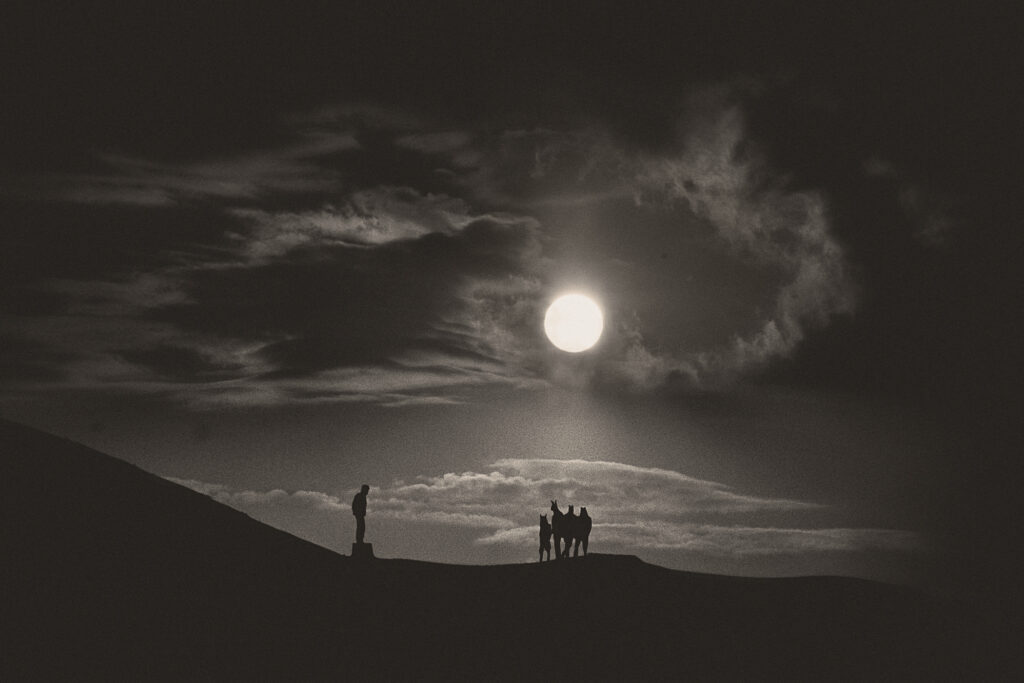
Alireza Movahedi
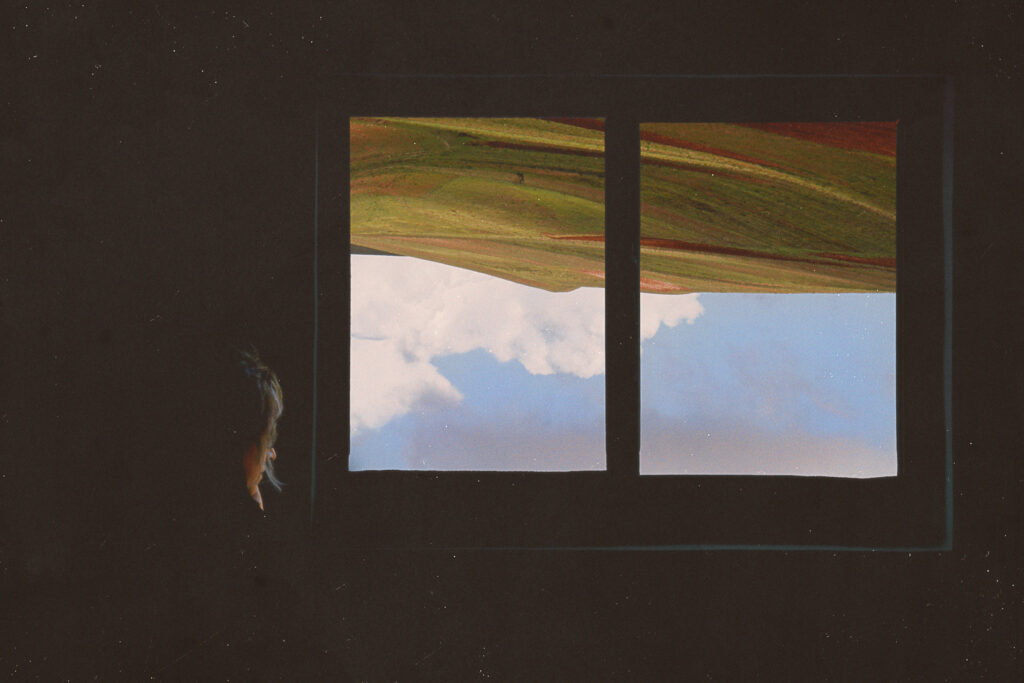
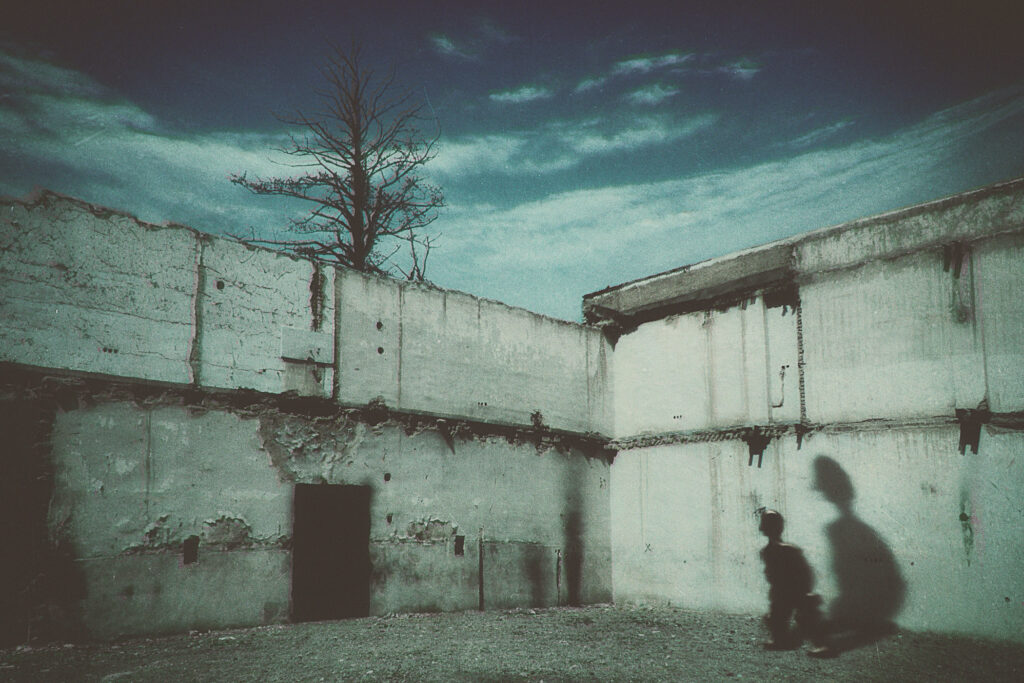
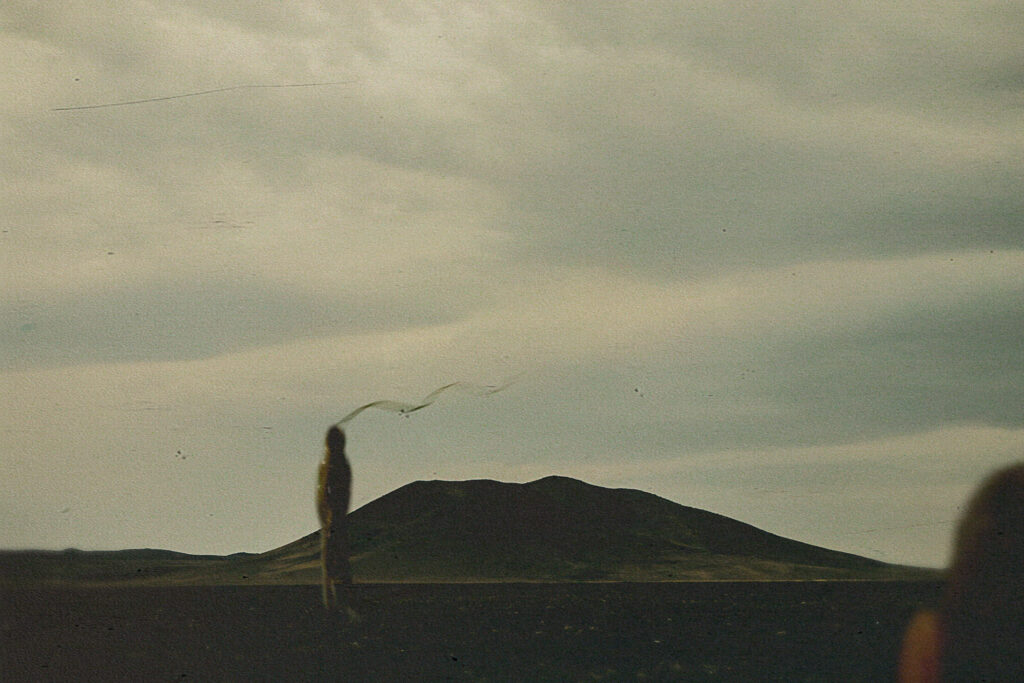
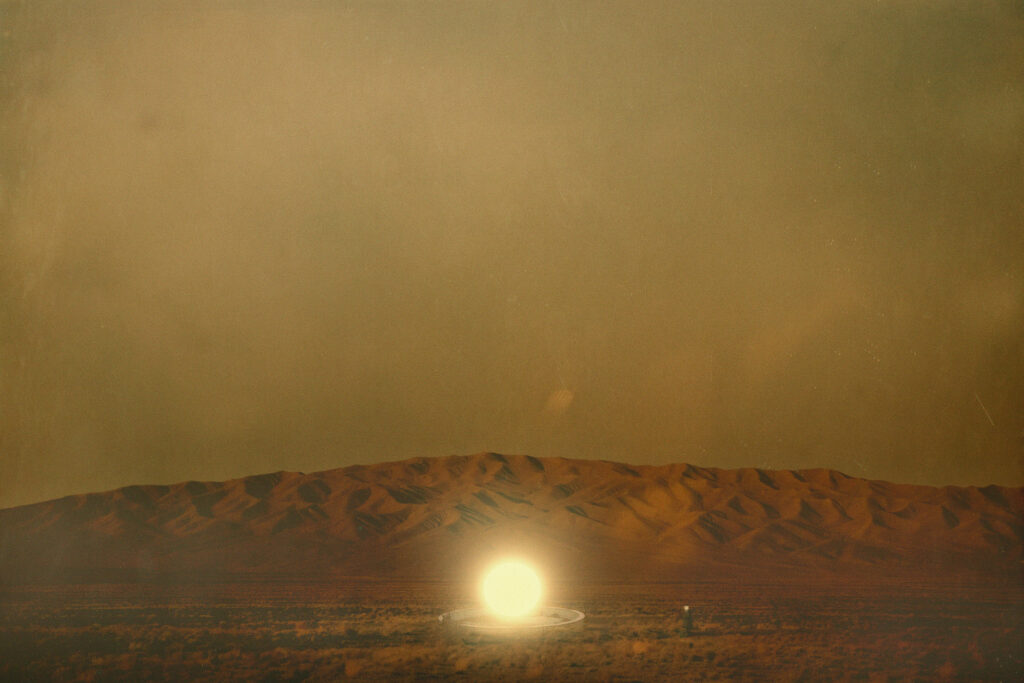
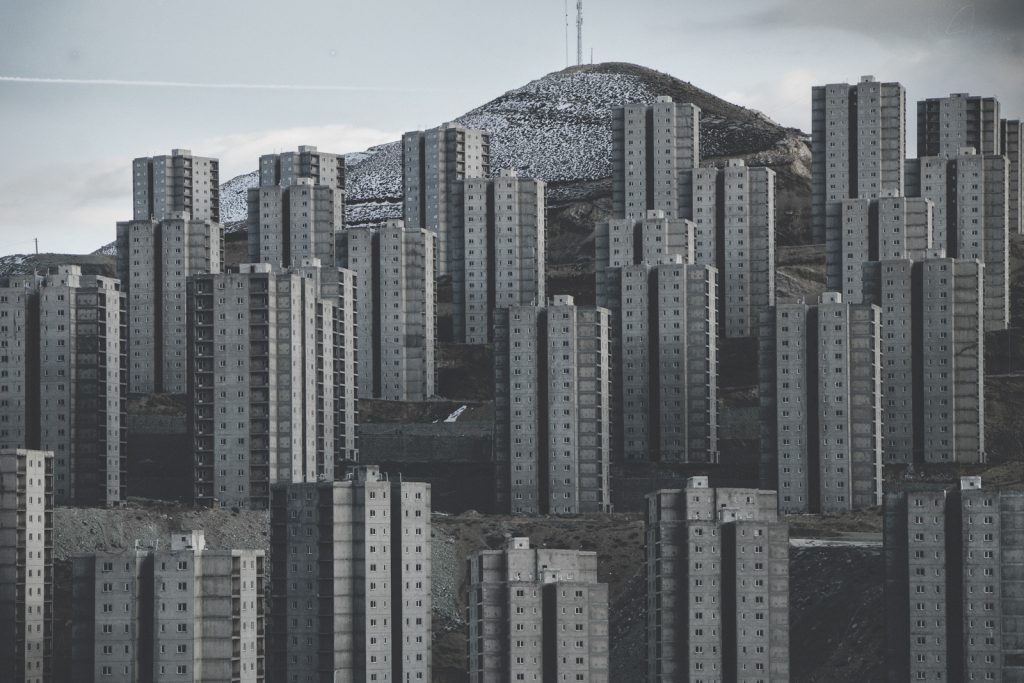
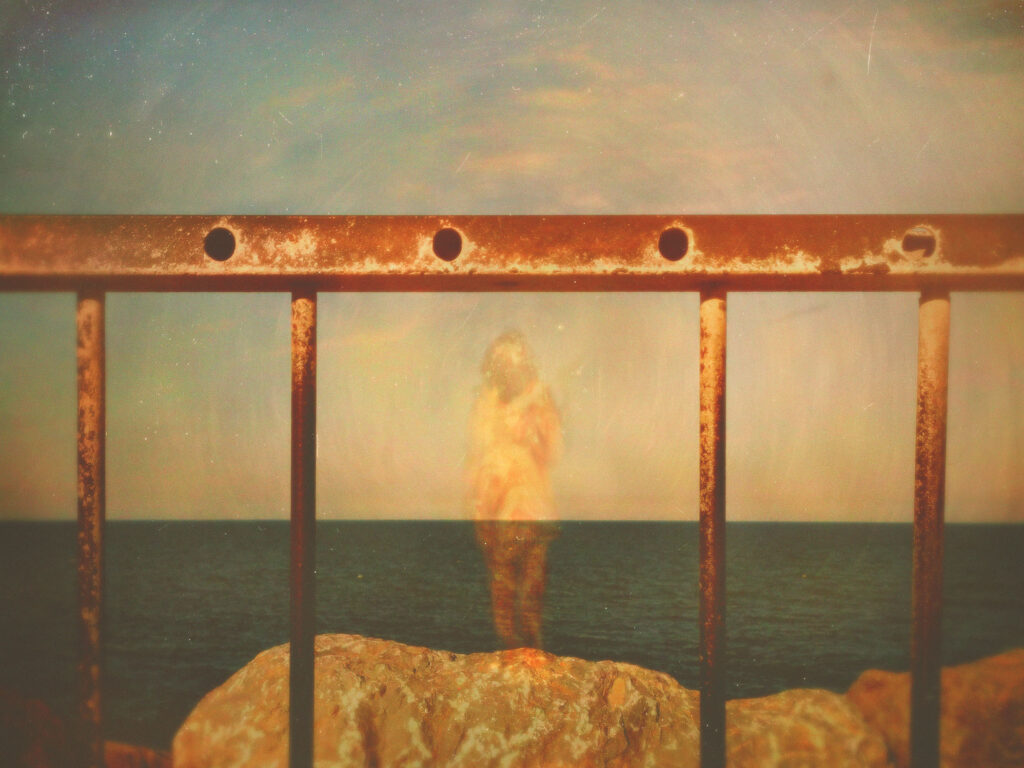
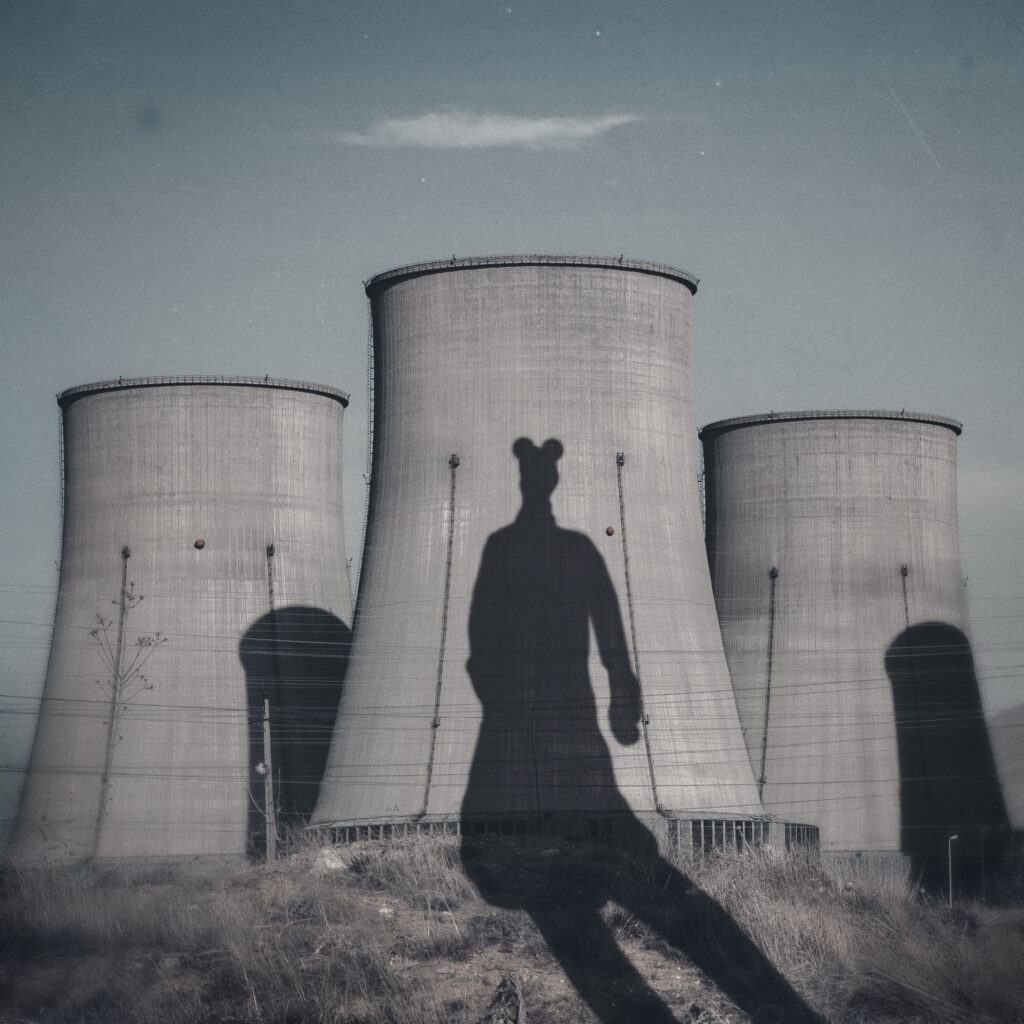
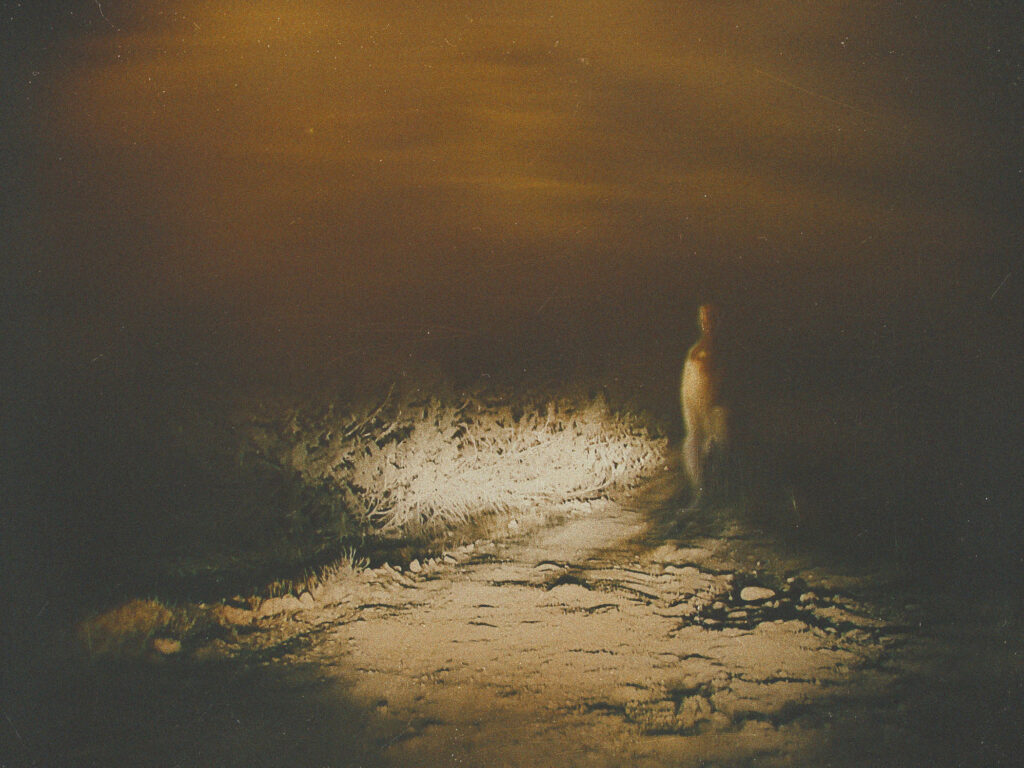
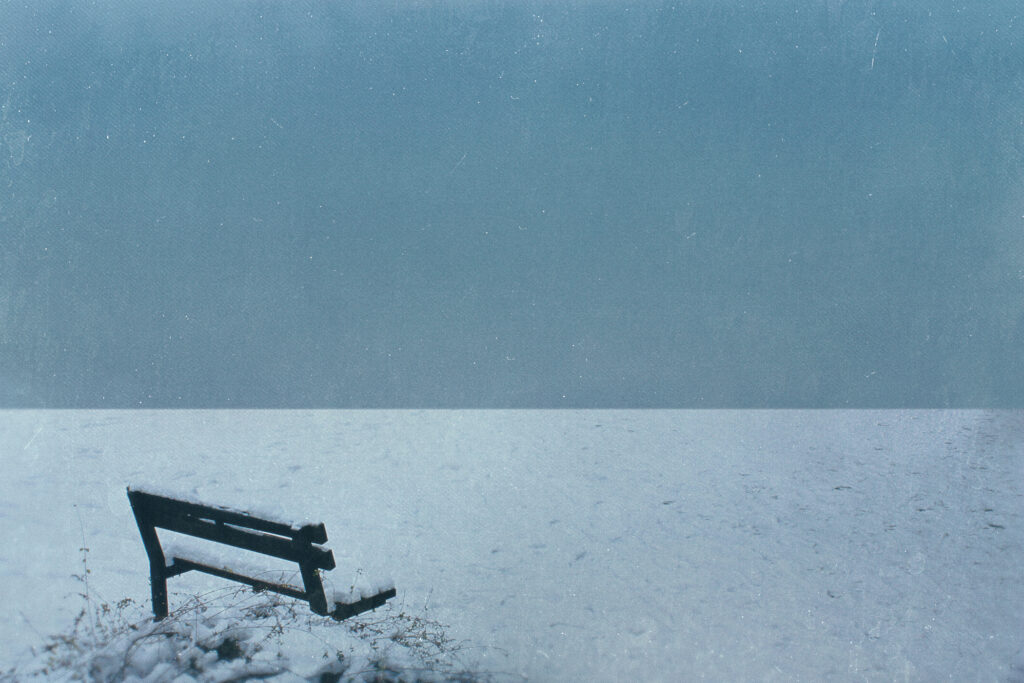
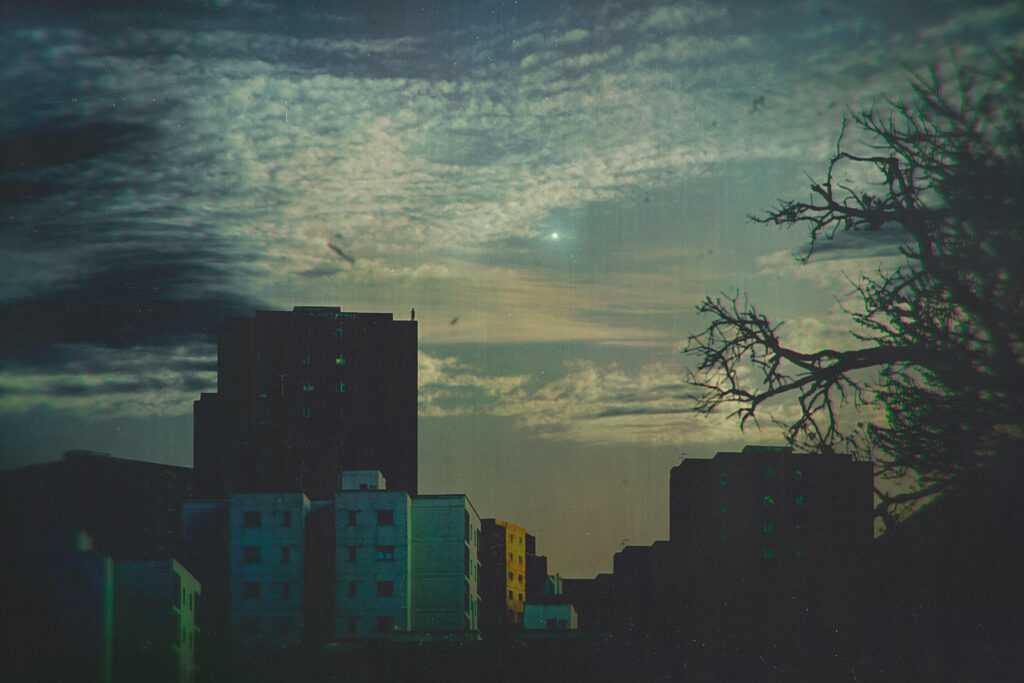
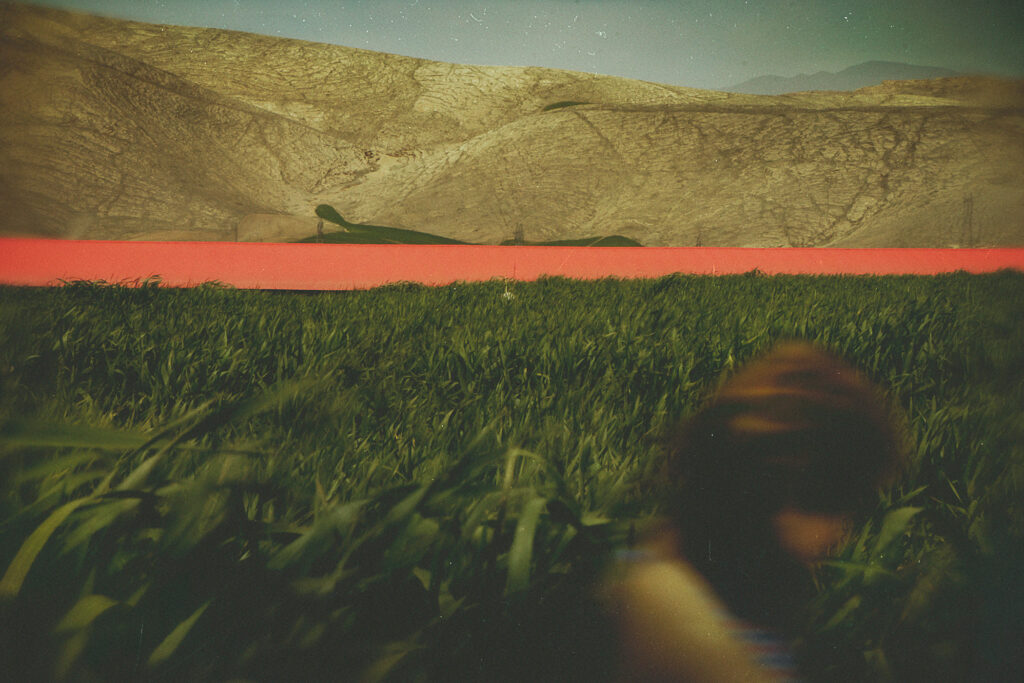
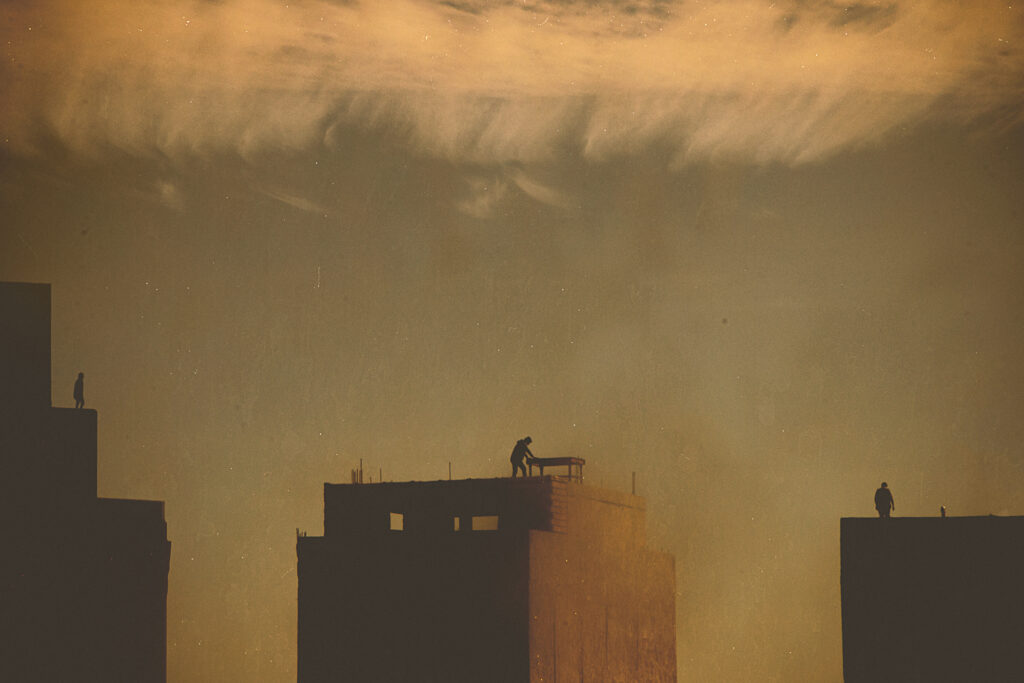
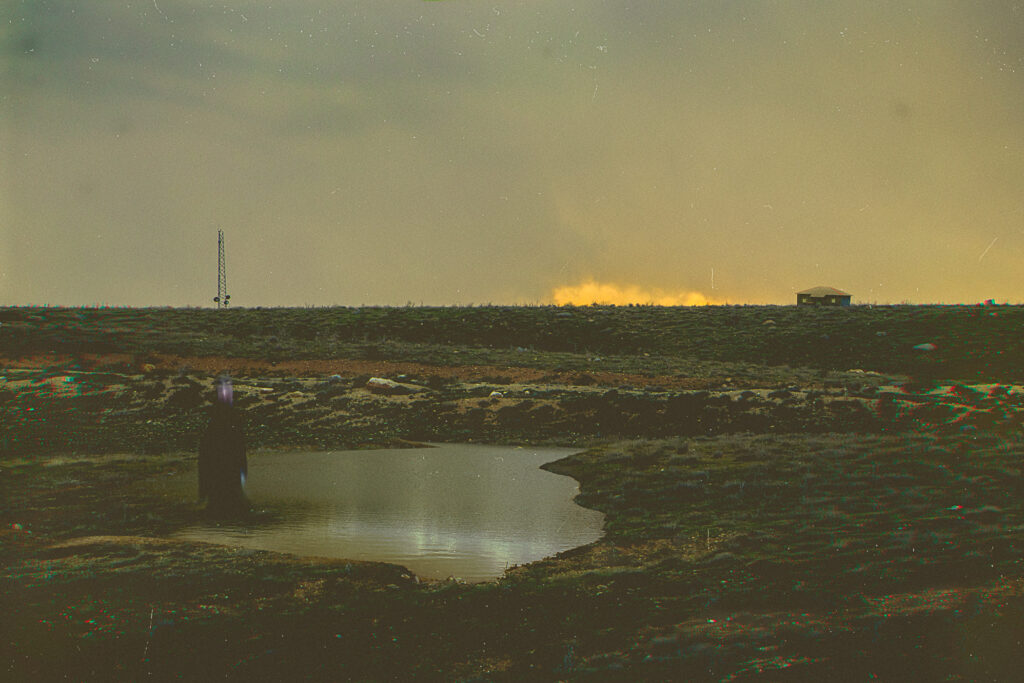
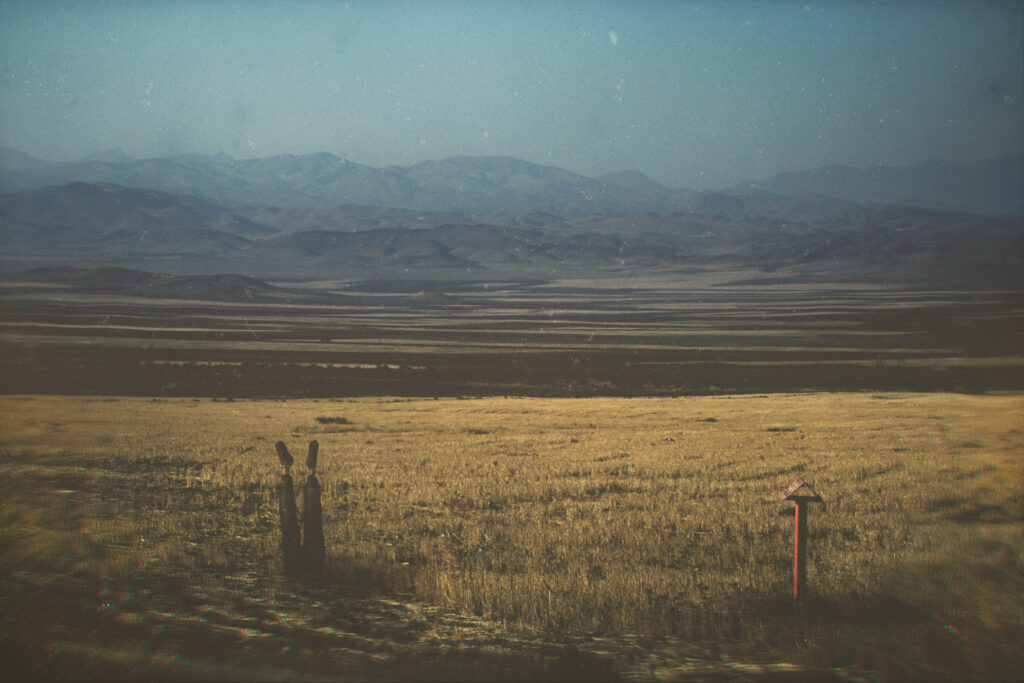
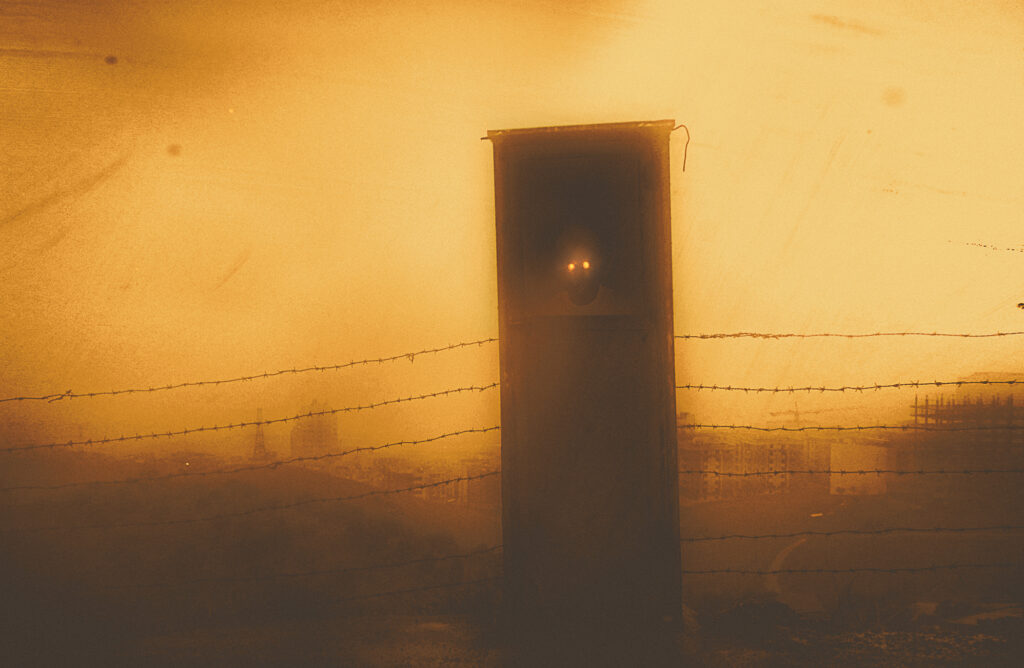
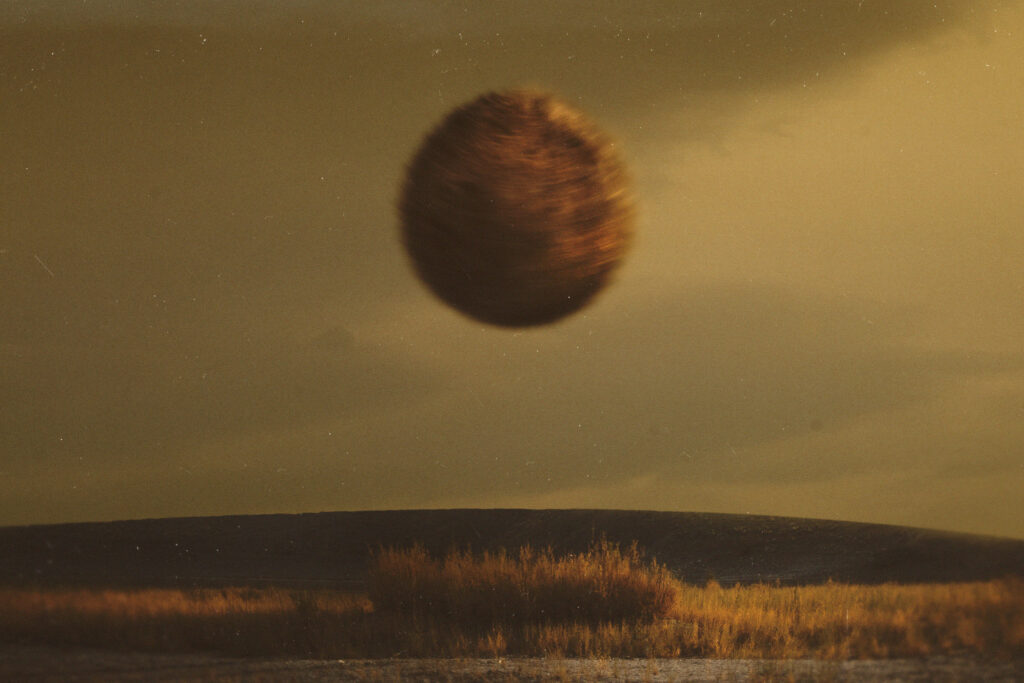
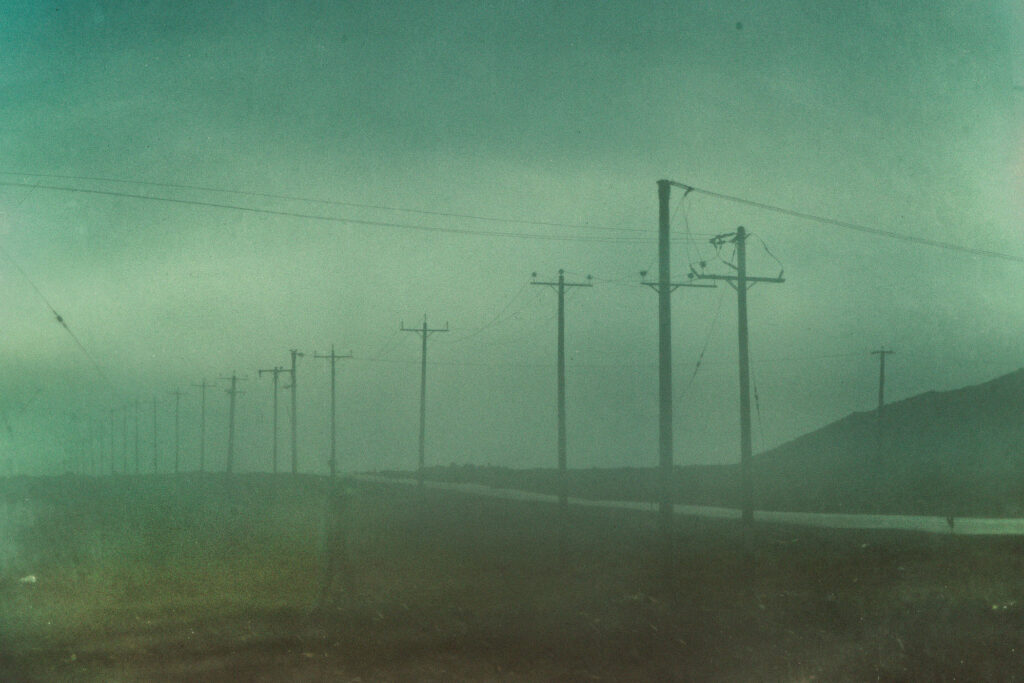
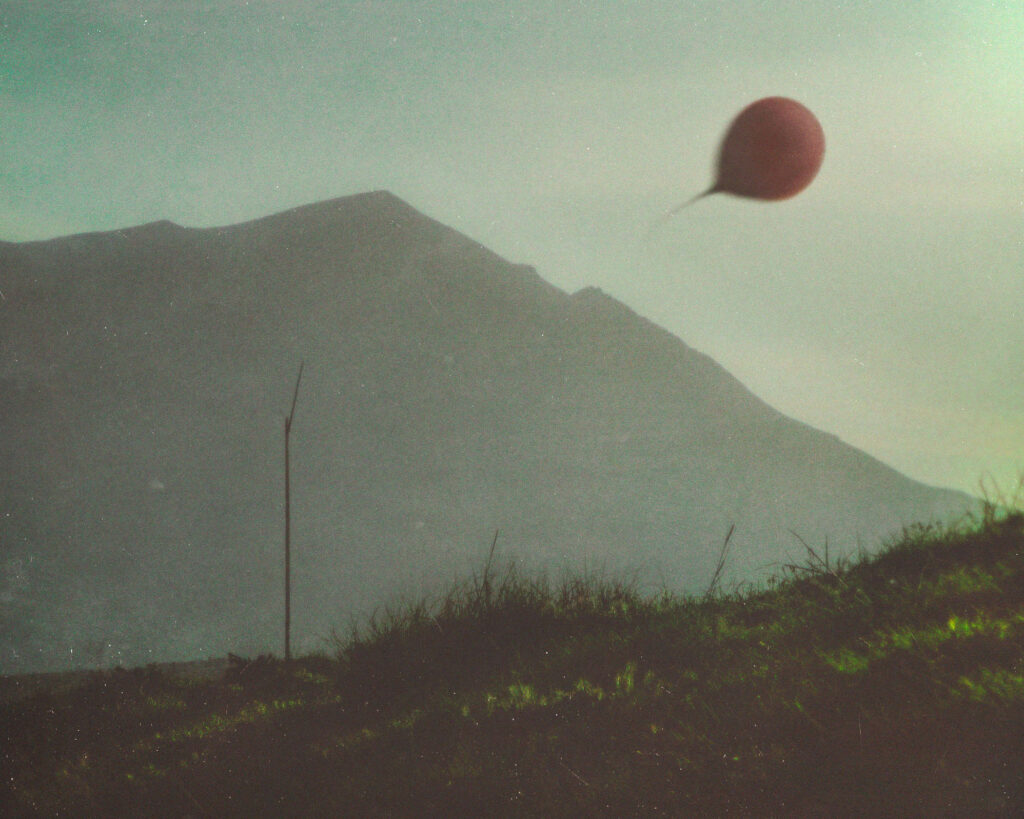
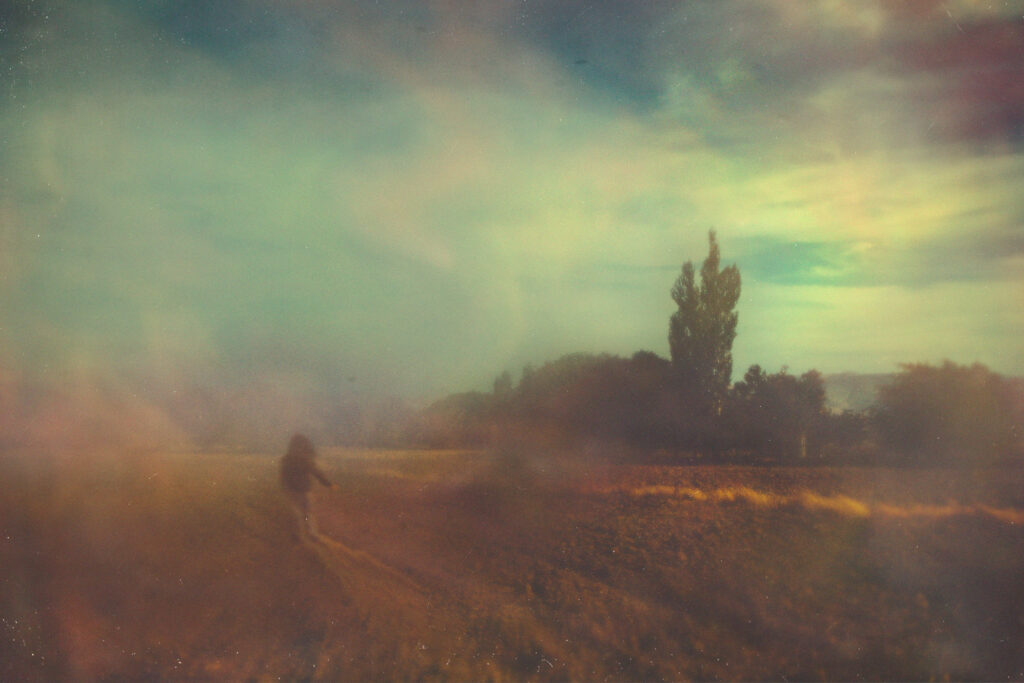
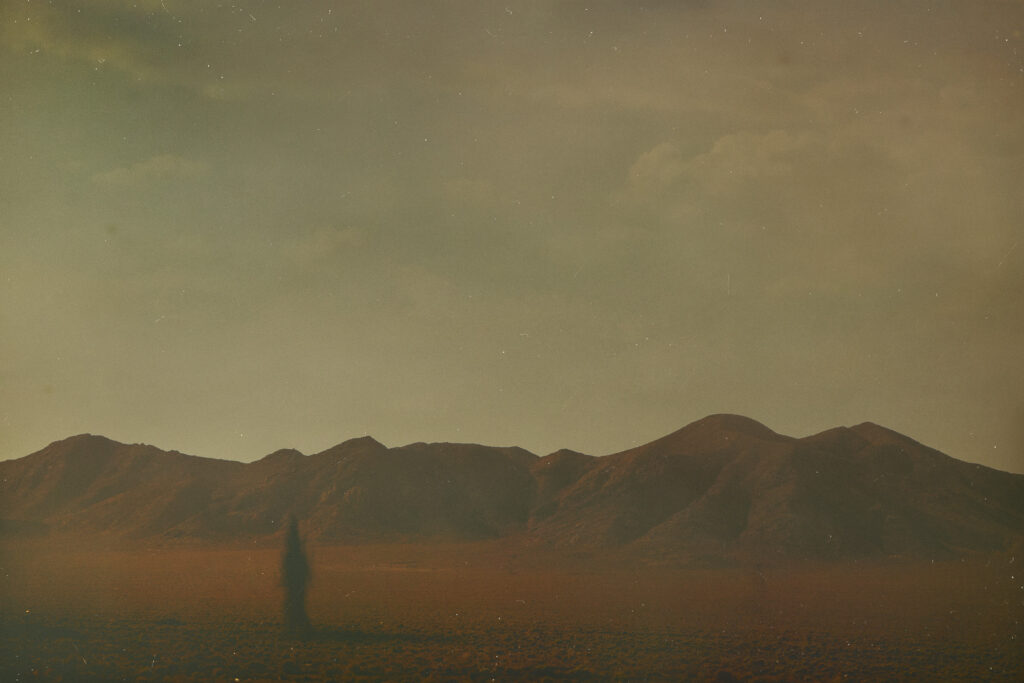
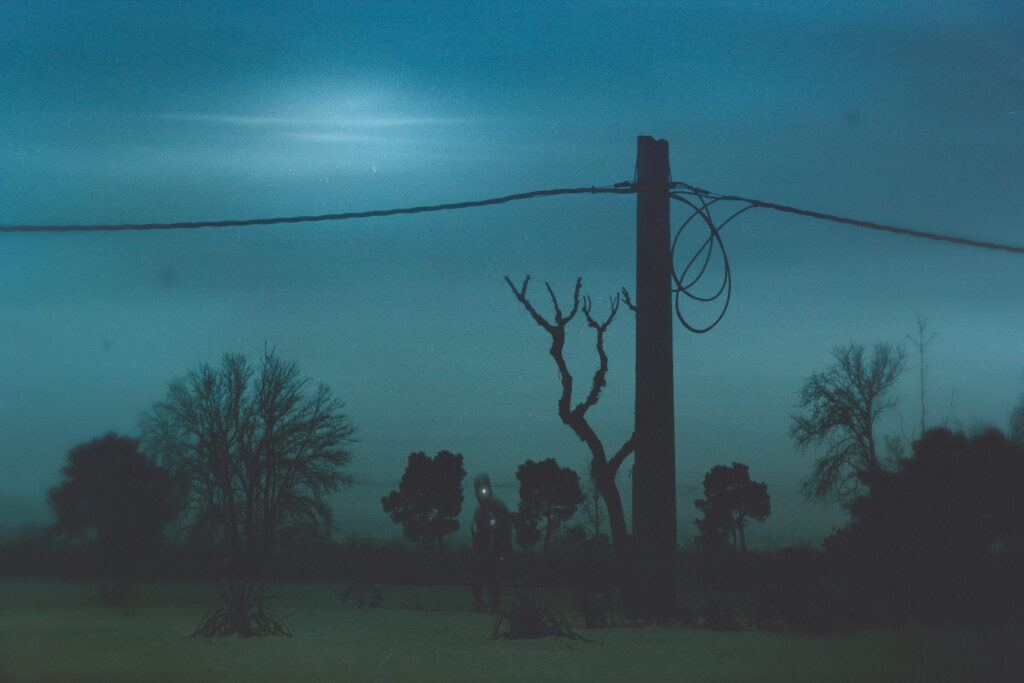
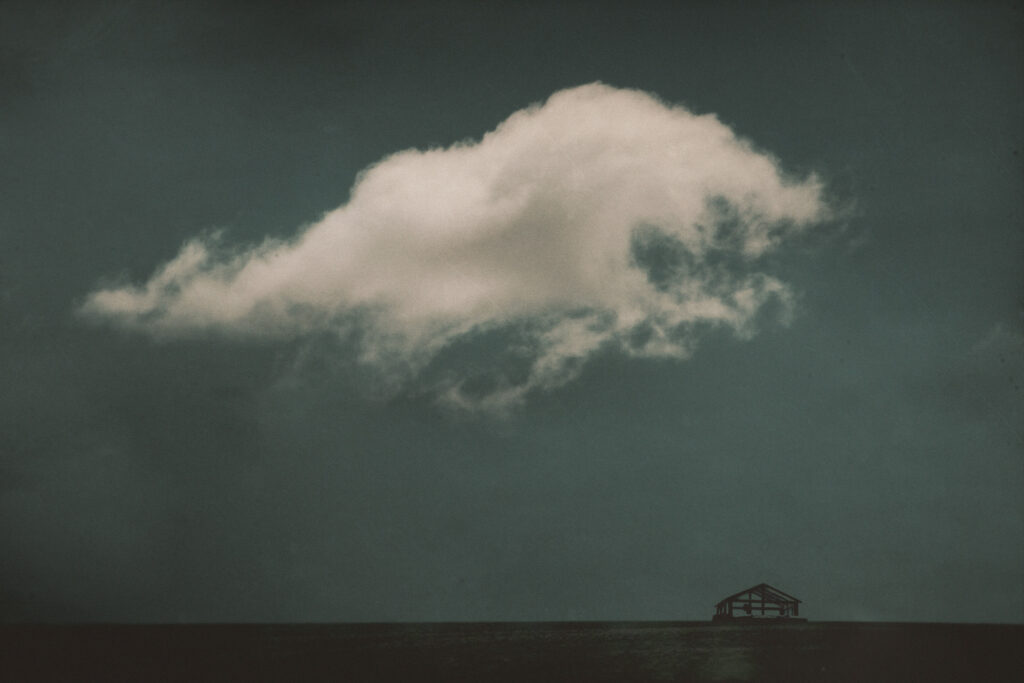
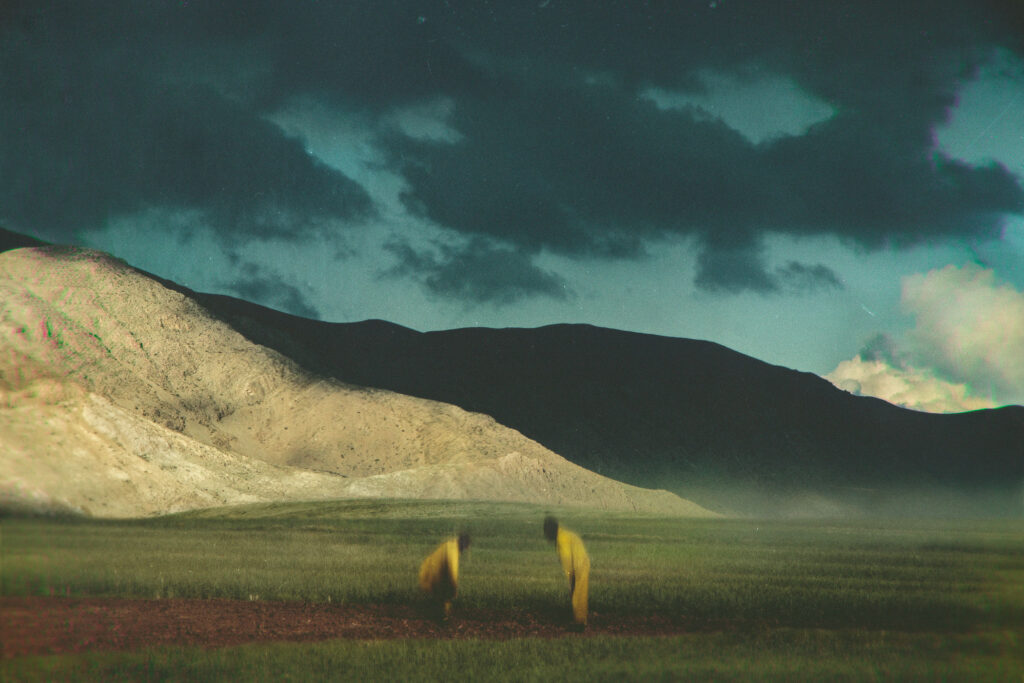
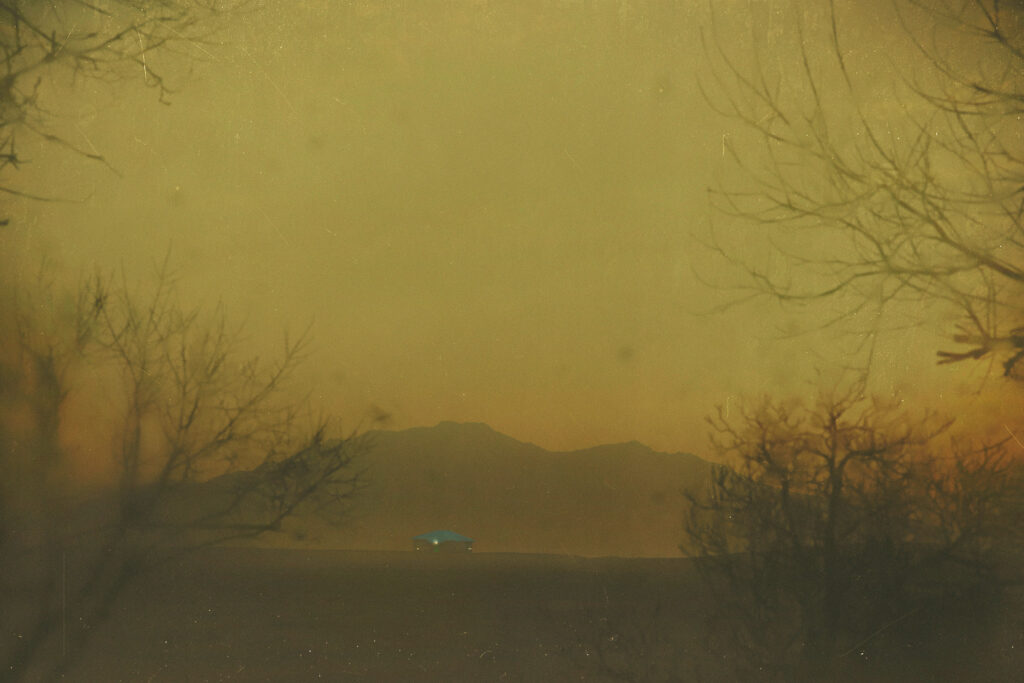
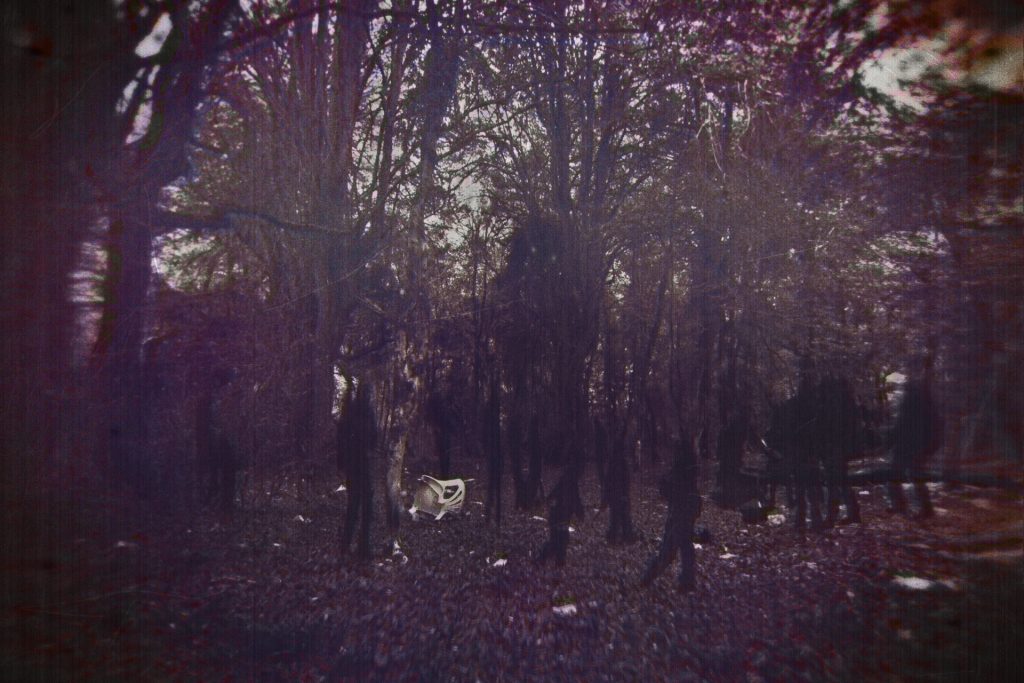
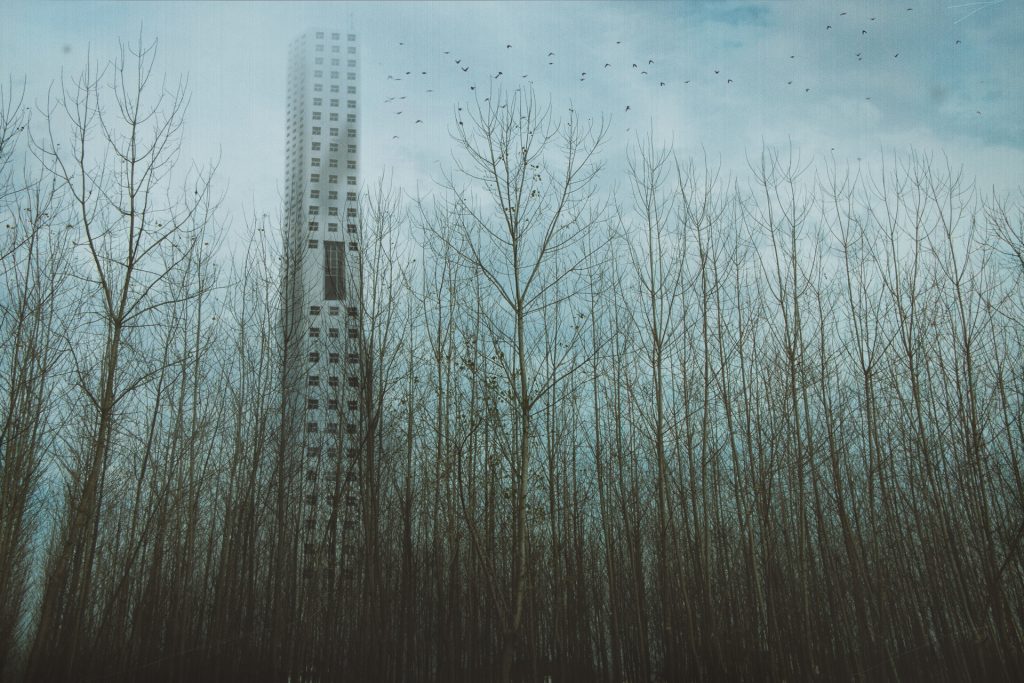
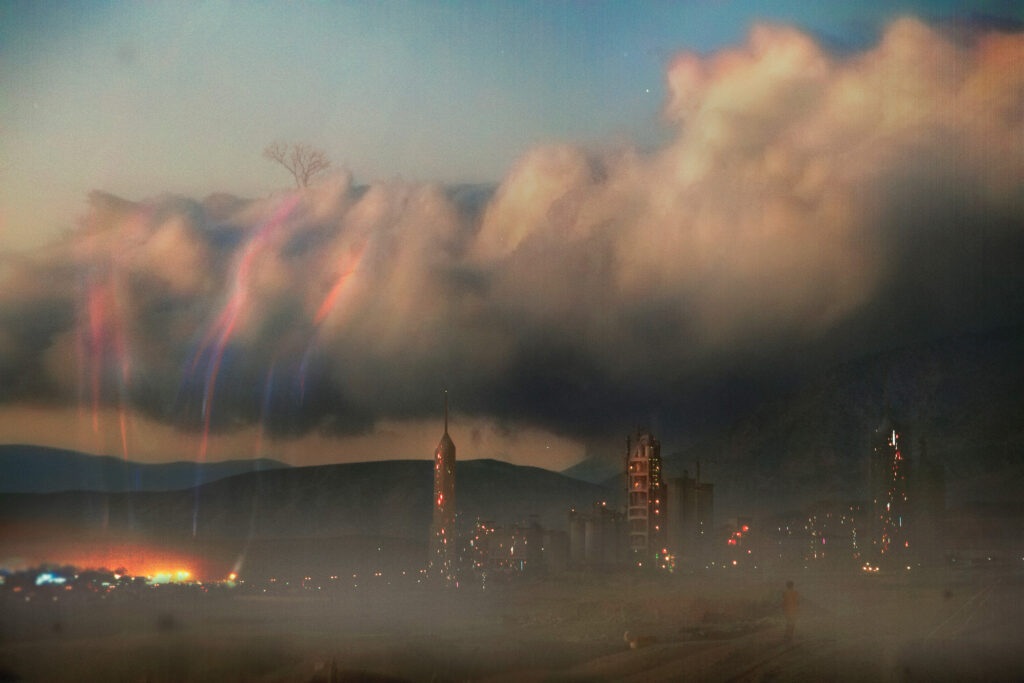
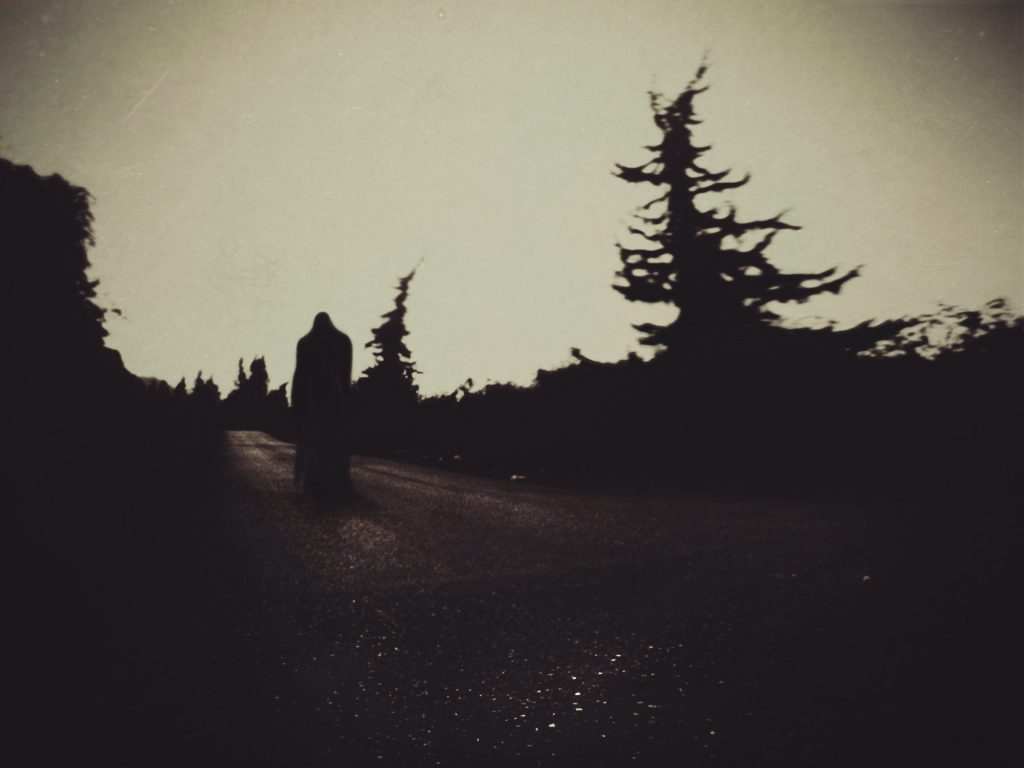
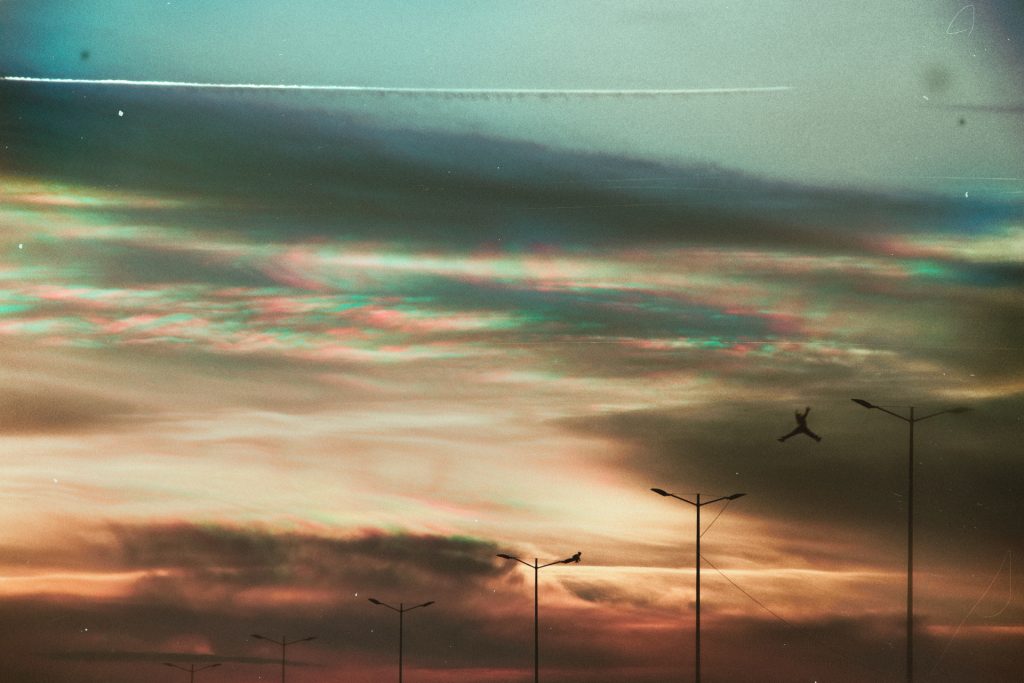
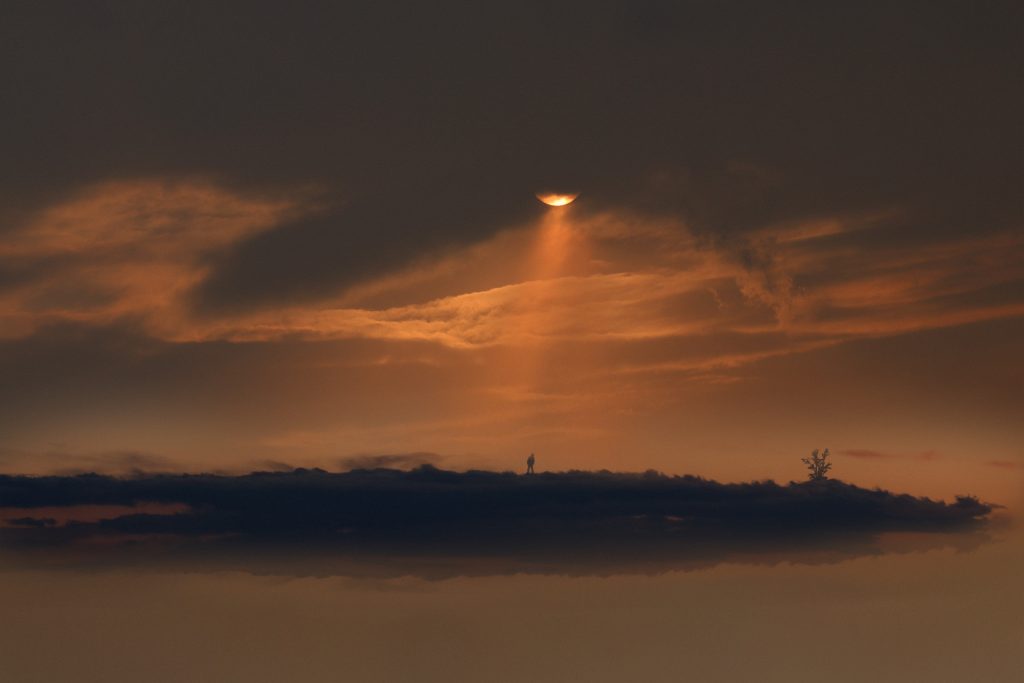
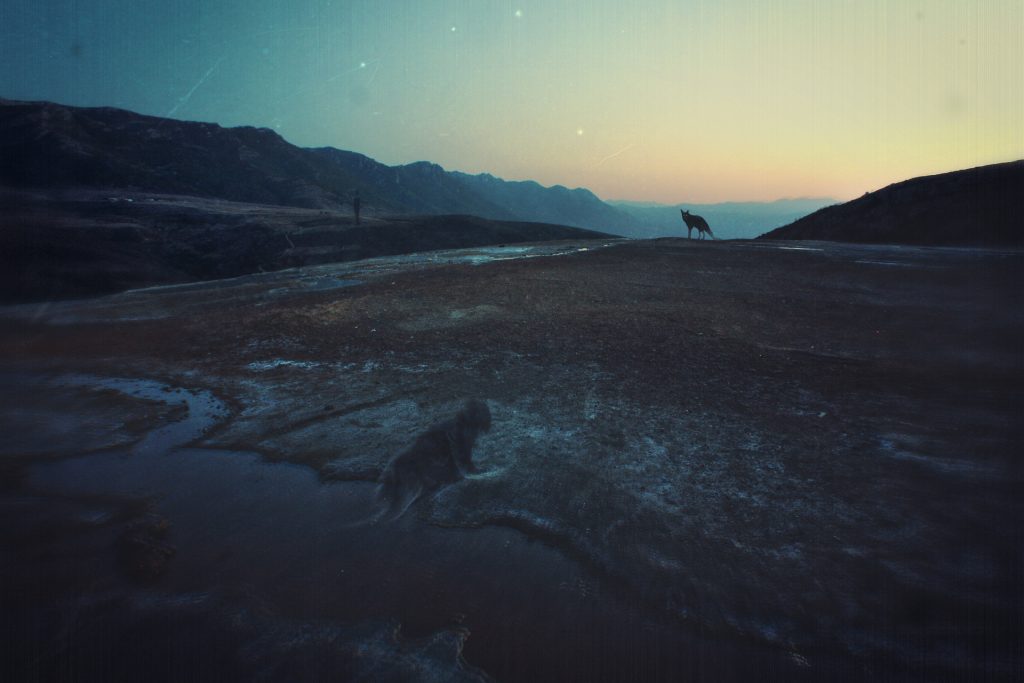
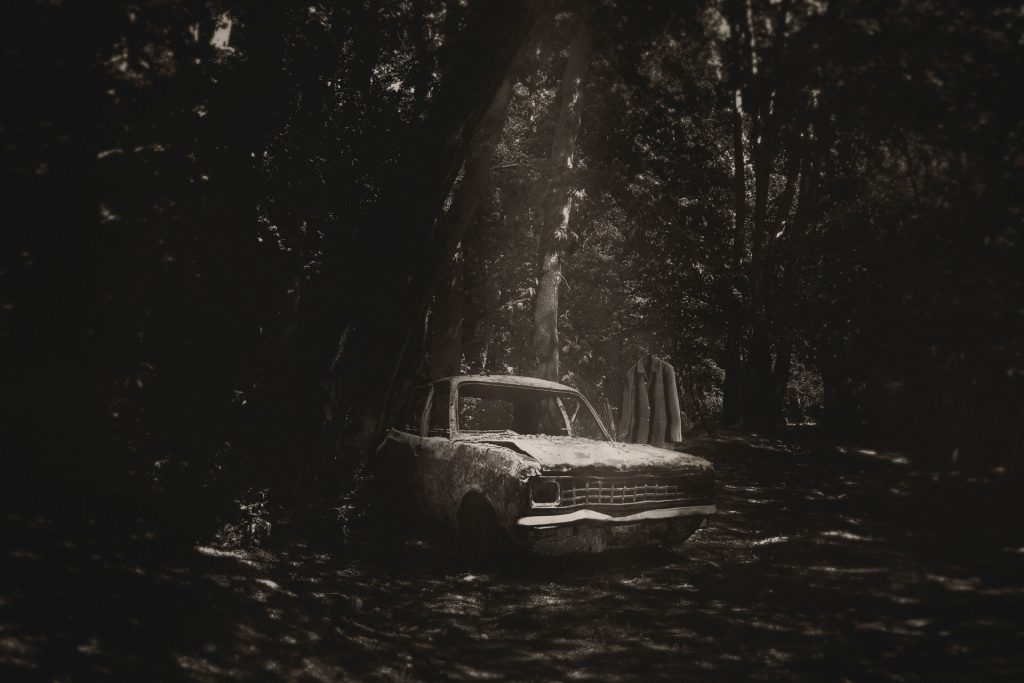
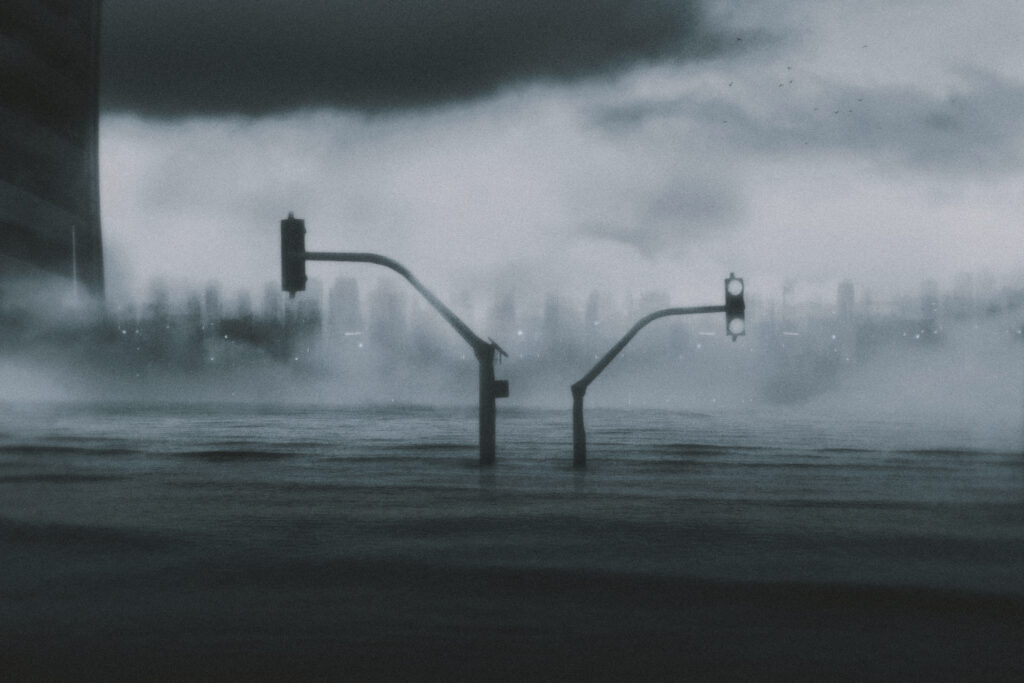
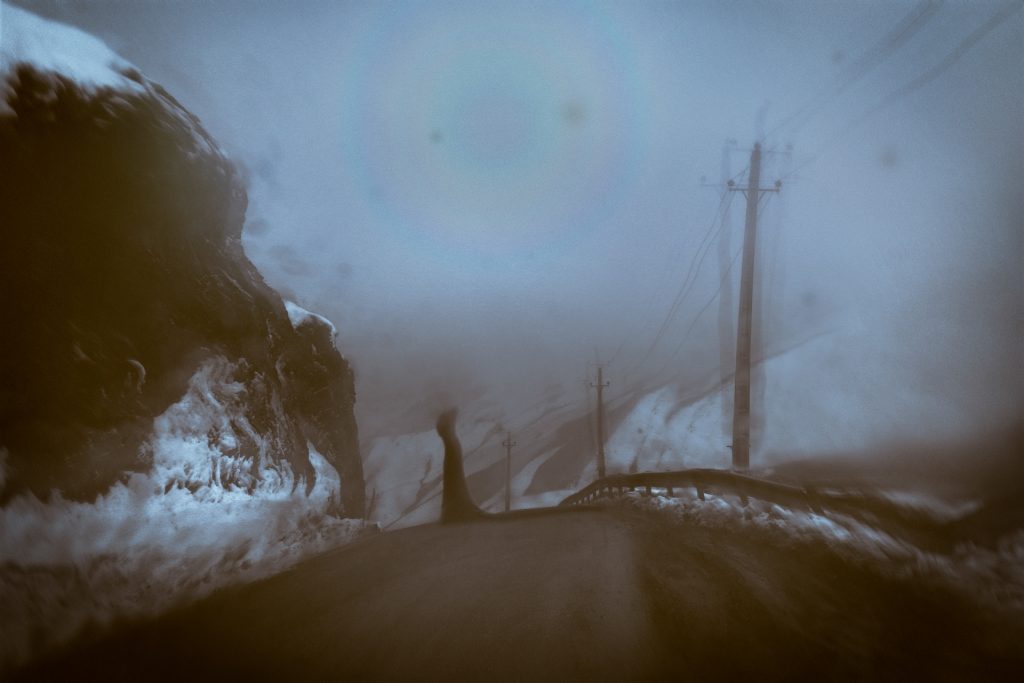
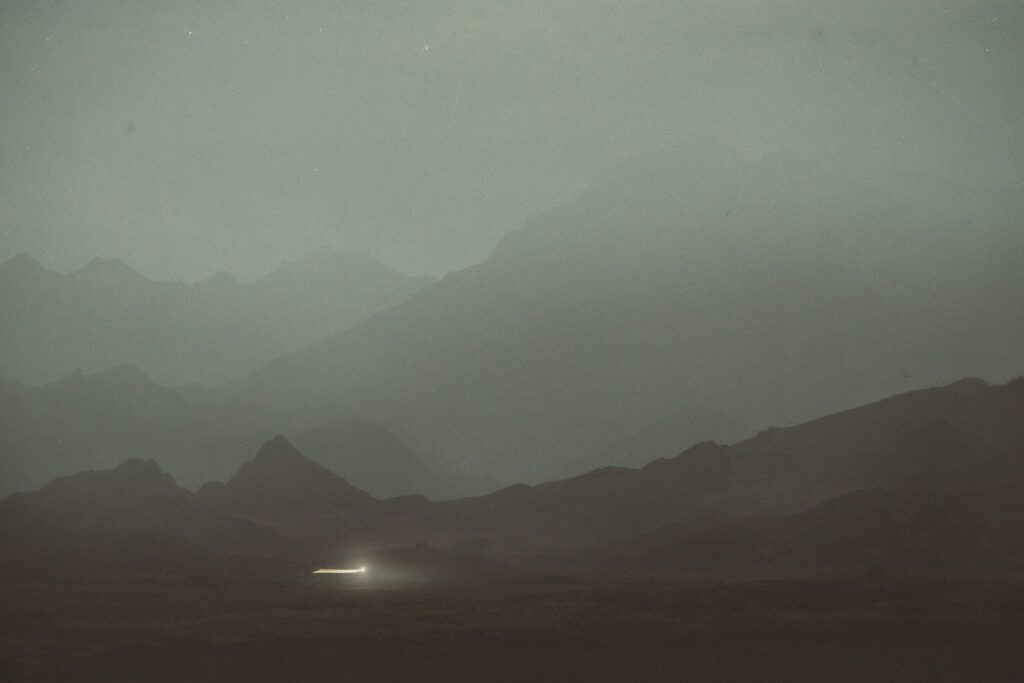
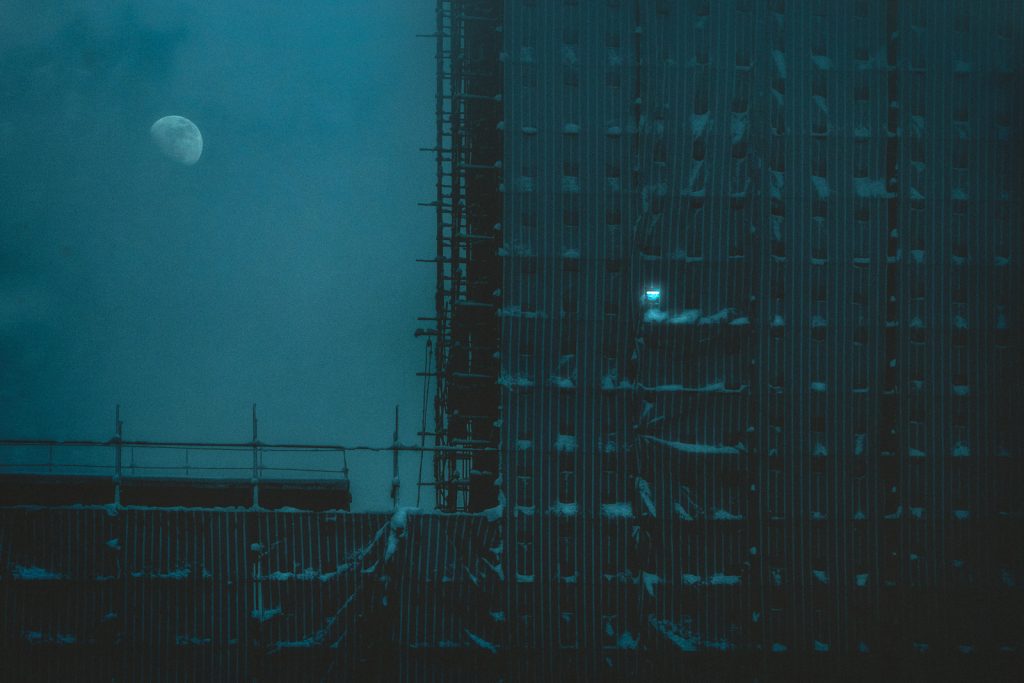
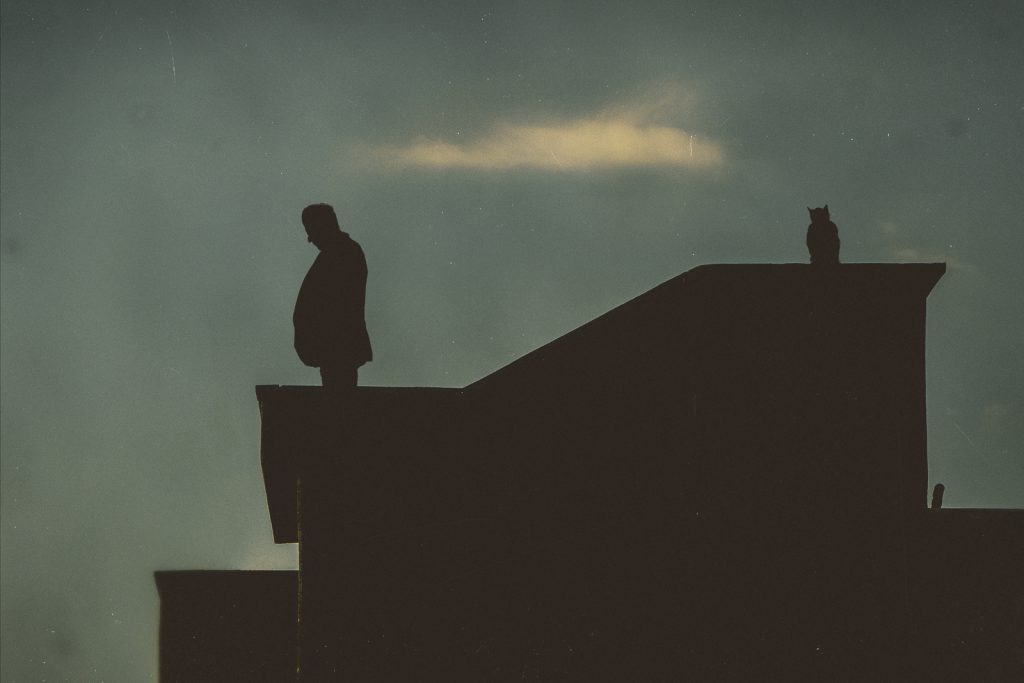
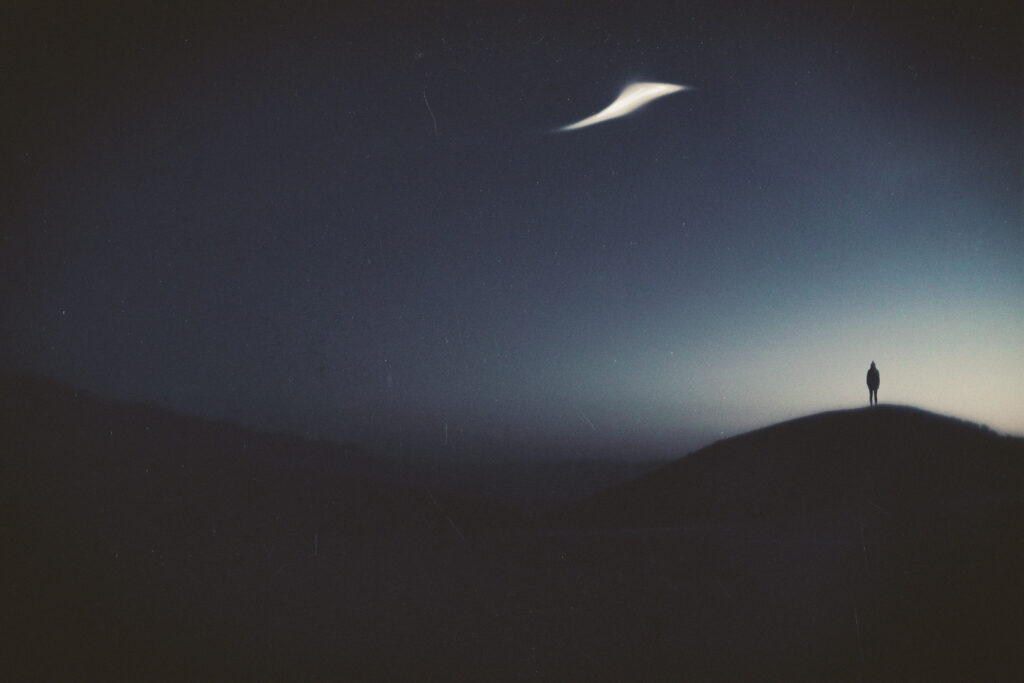
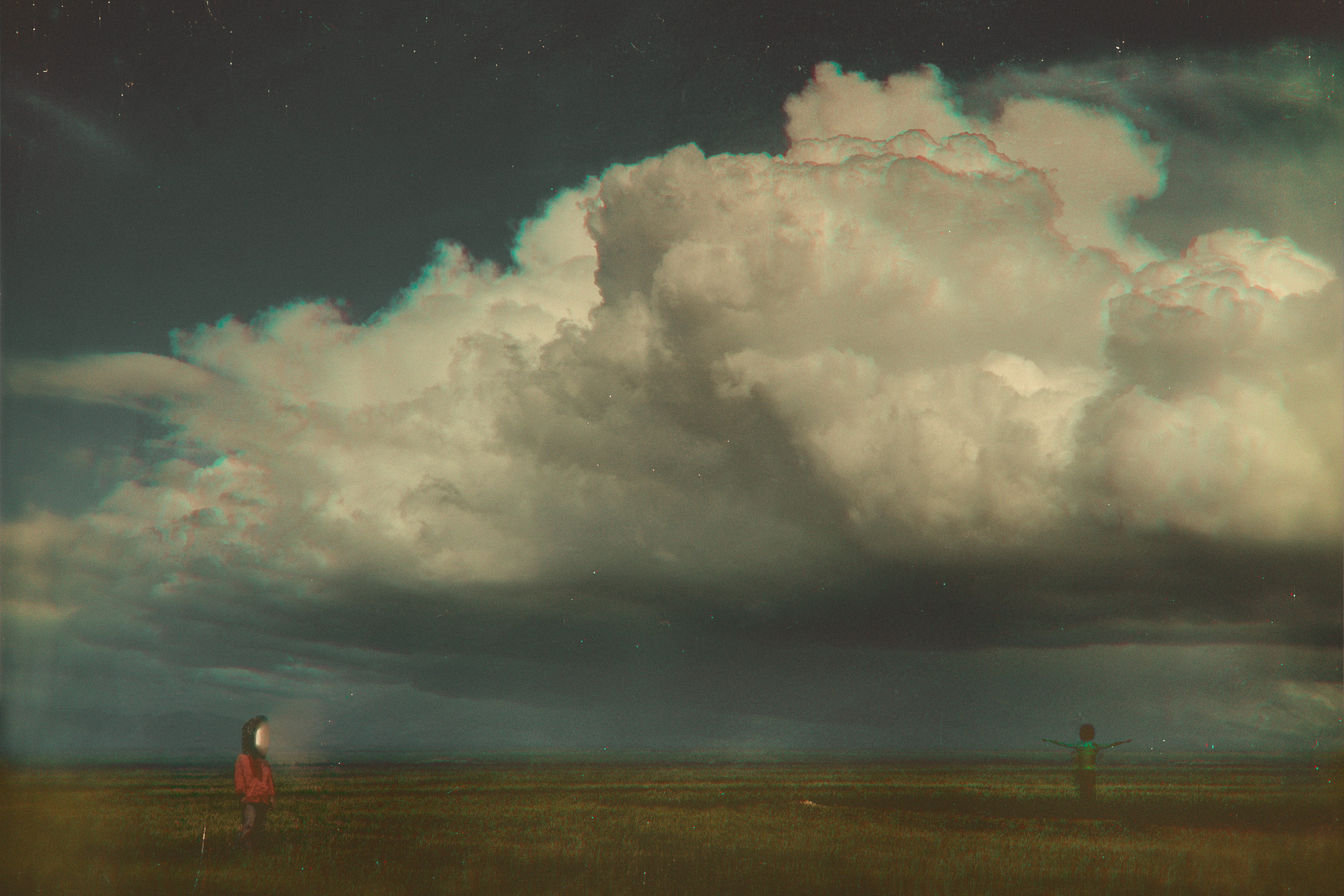
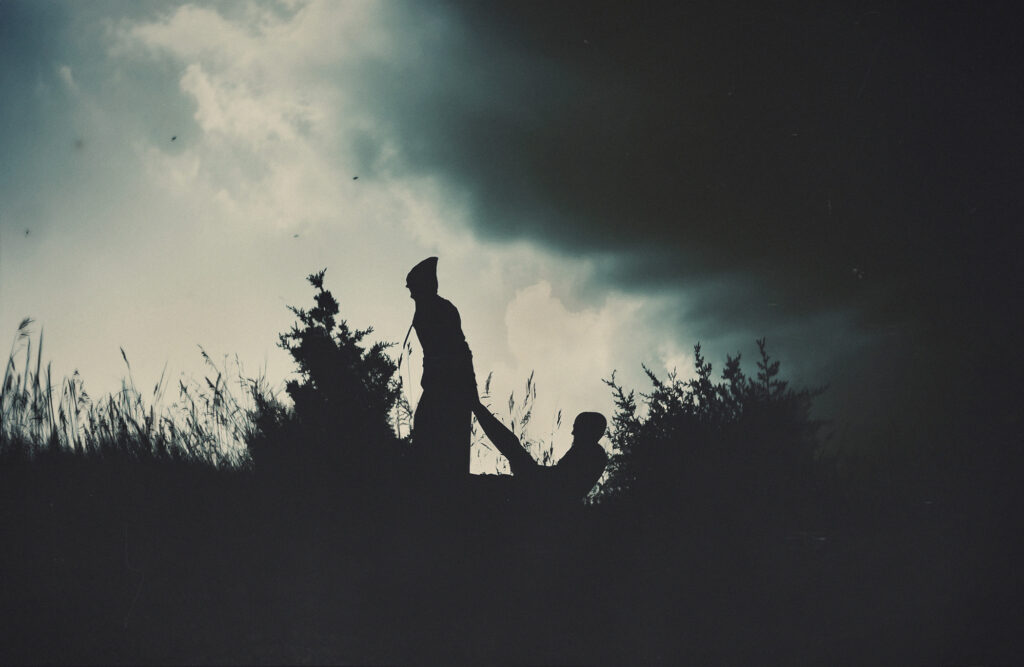
Alireza Movahedi is an Iranian photographer known for his captivating images that explore the psychological landscapes of the environment. His work delves into the relationship between human emotions and the surrounding world, often capturing scenes that evoke a sense of introspection, solitude and contemplation with a pervasive sense of hauntology.
His photographic exploration of psychological landscapes and the environment offers a unique perspective on the human experience. His ability to evoke emotions and provoke introspection through his imagery has garnered international recognition and made him a prominent figure in contemporary photography.
Alireza Movahedi’s work is attracting the interest of growing numbers of international collectors. He lives and works in Teheran.
The Suspended Present
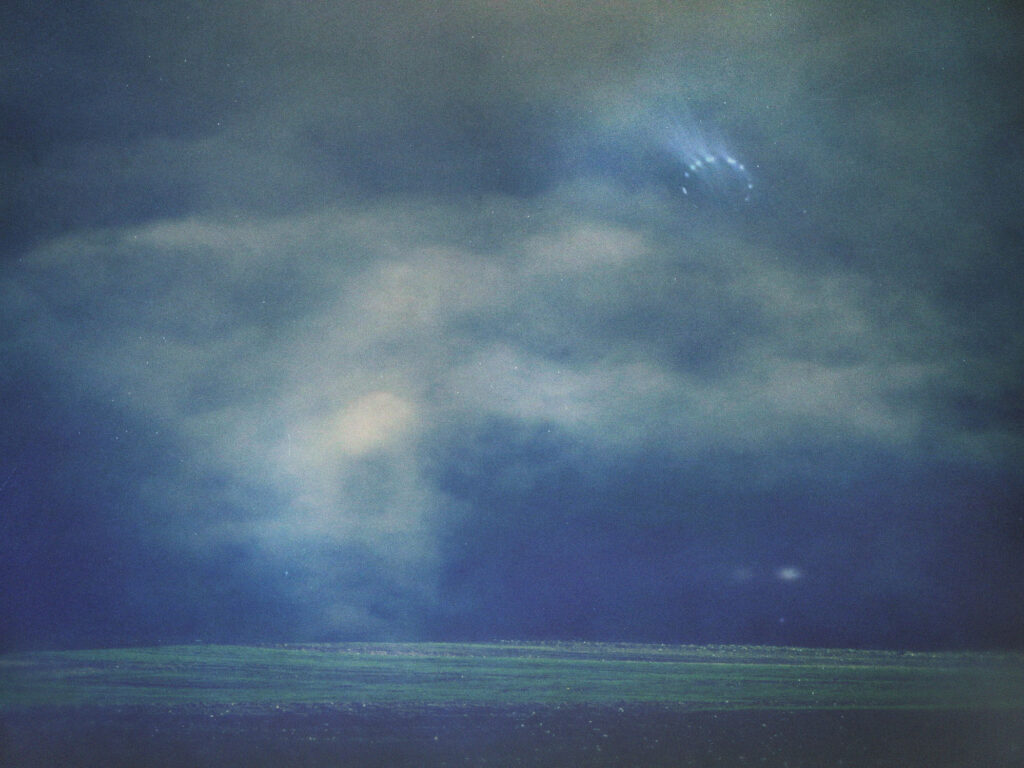
The present is never completely still. It is shaped by memories of the past and expectations of the future.
‘The Suspended Present’ explores moments where time seems to pause. The images create spaces in which memory, absence and anticipation exist together, allowing the viewer to experience the present as something fragile and constantly shifting.
Threshold
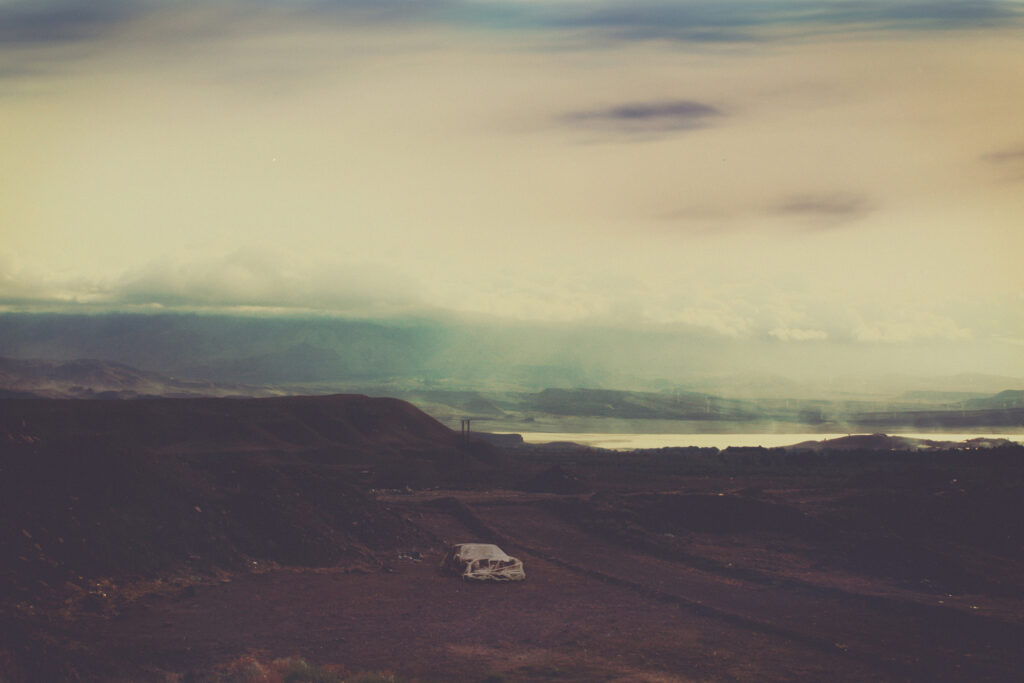
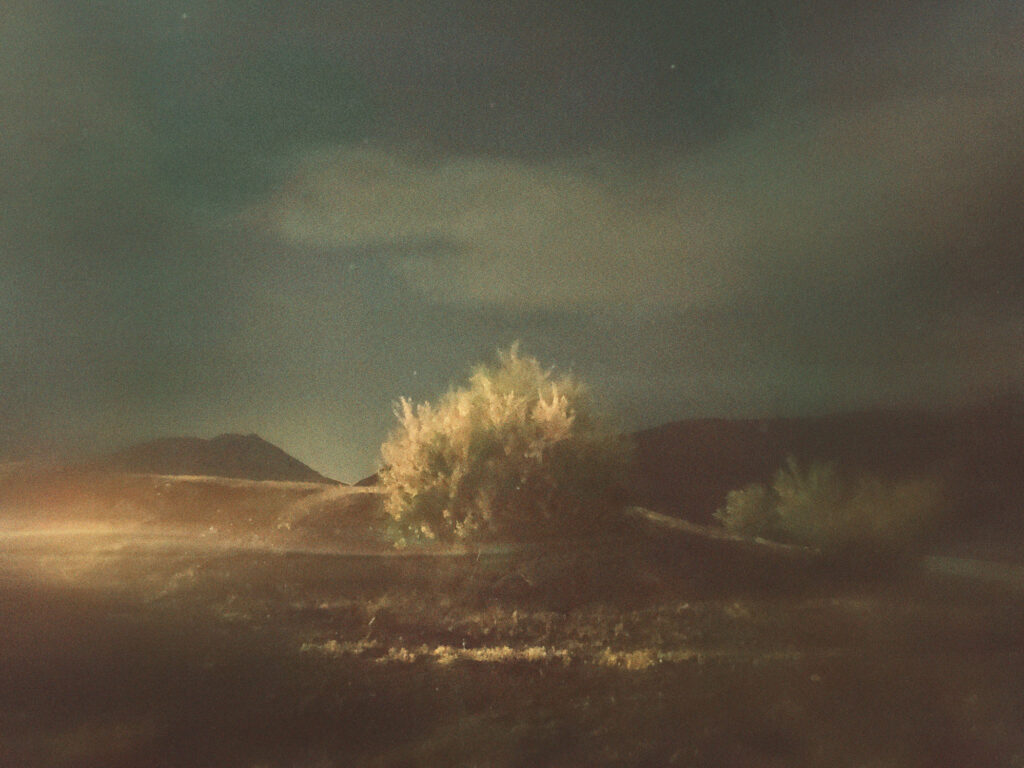
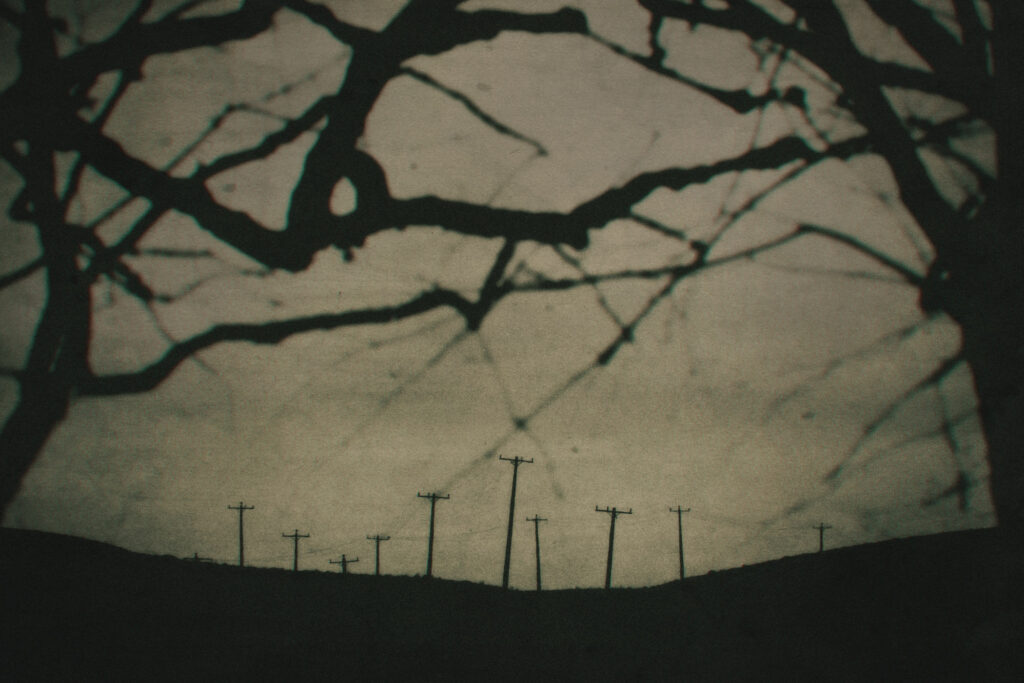
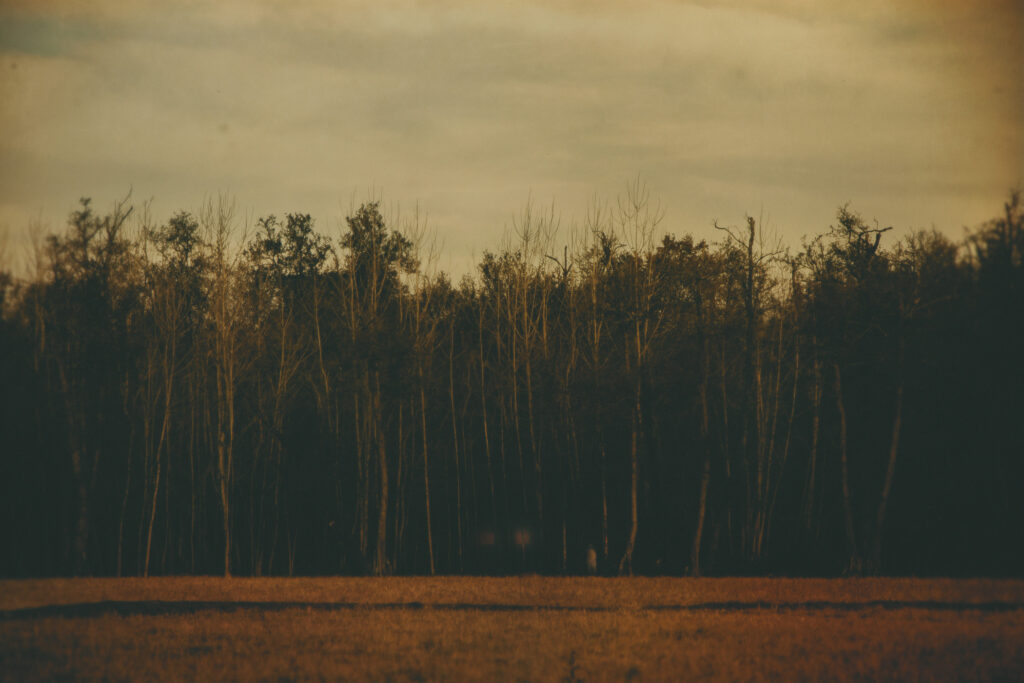
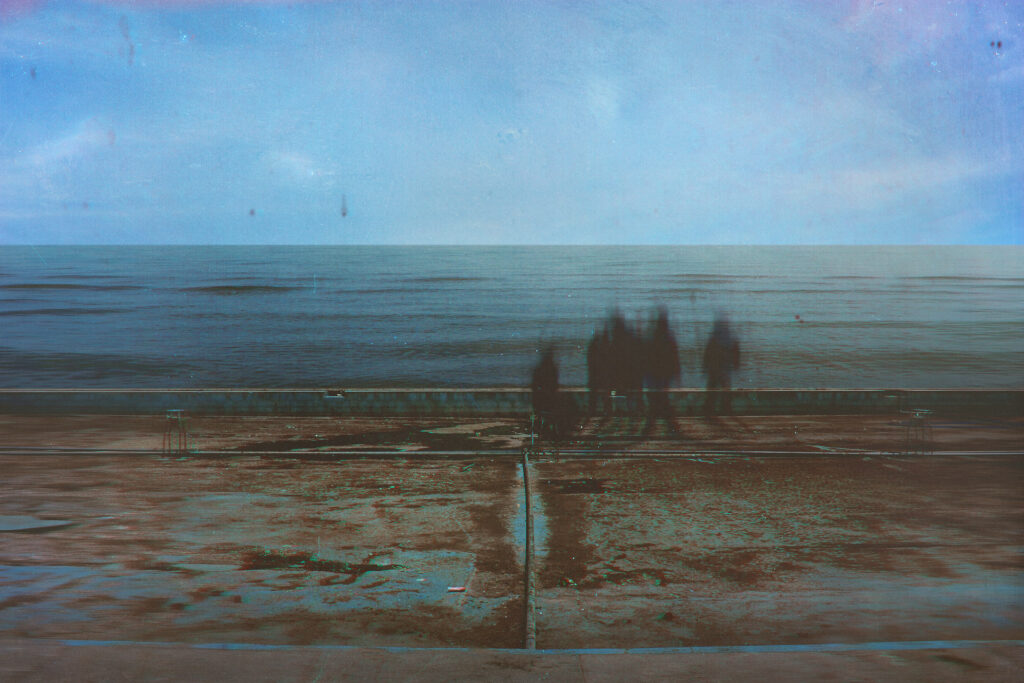
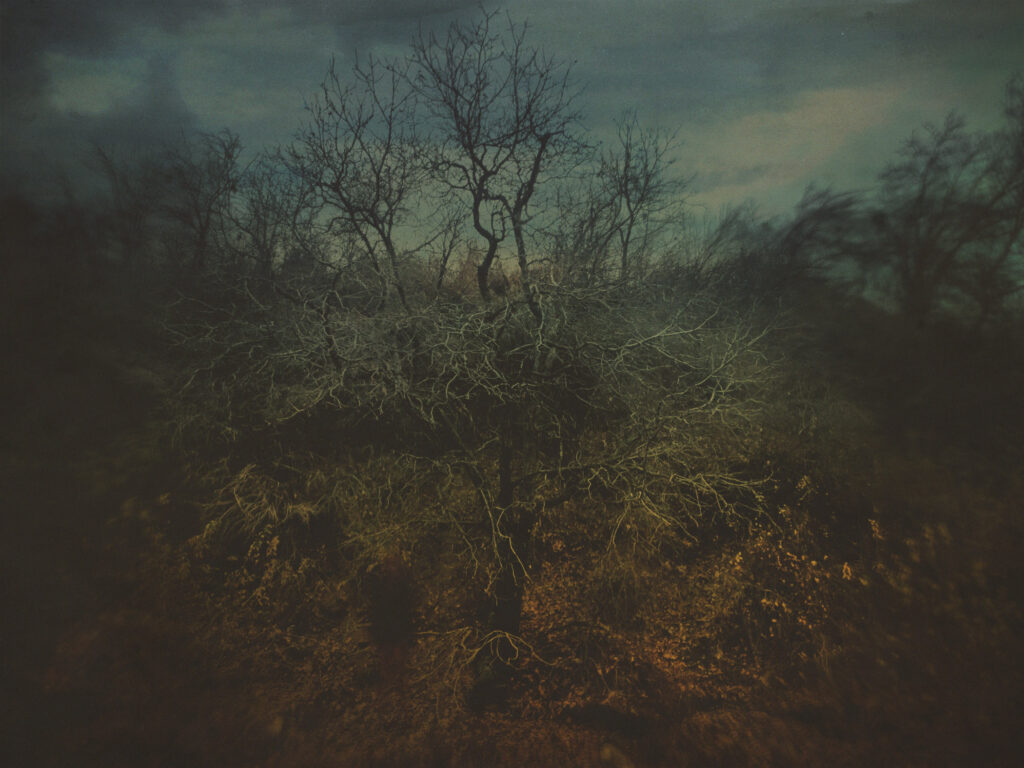
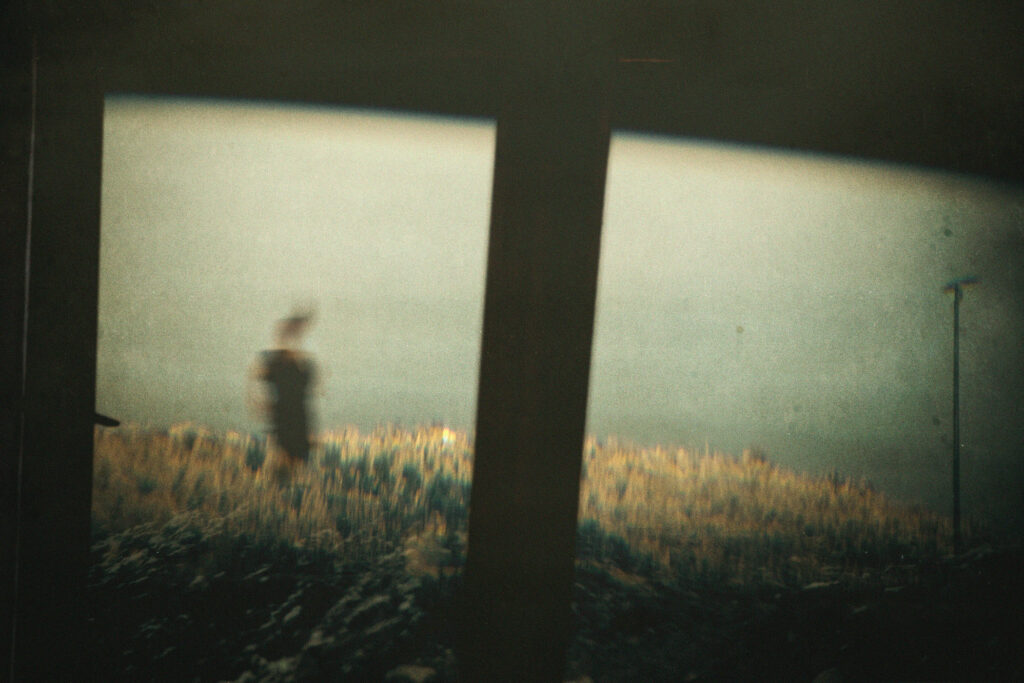
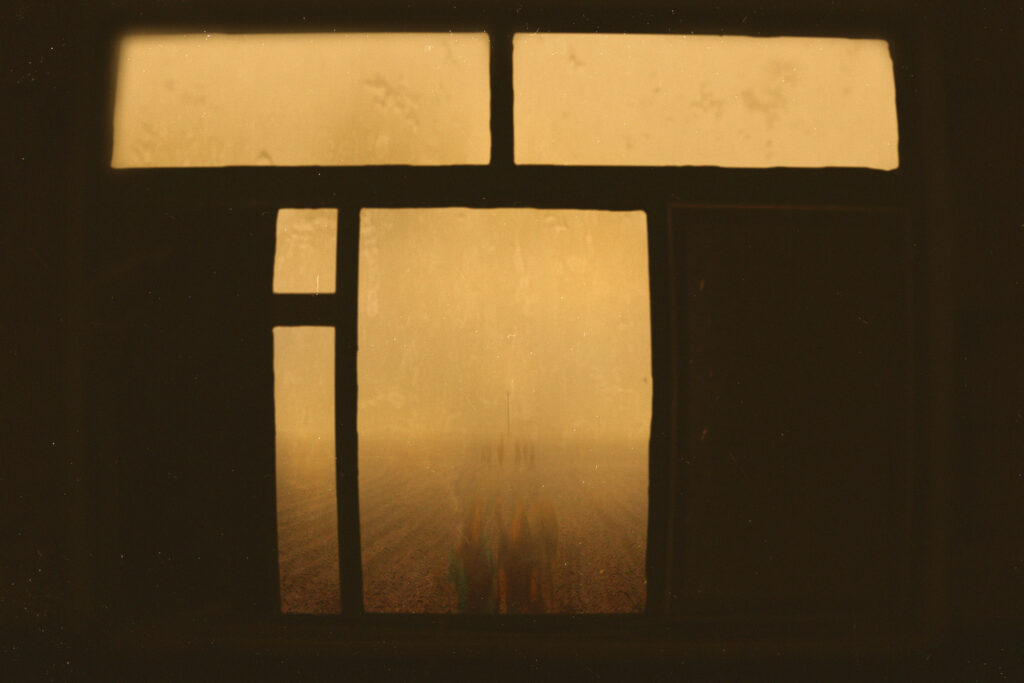
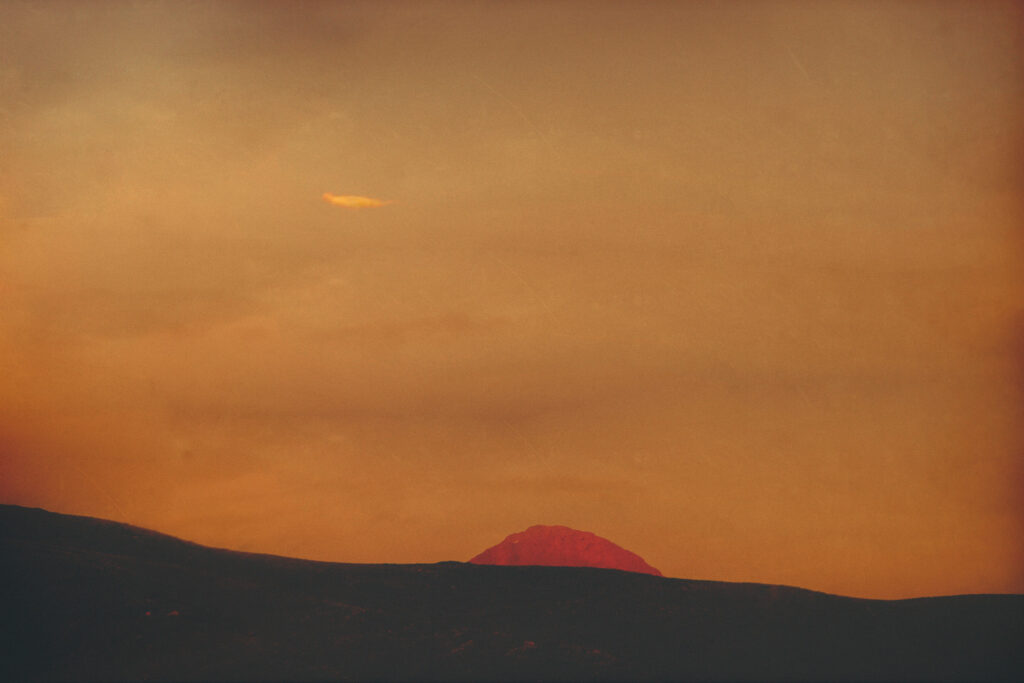
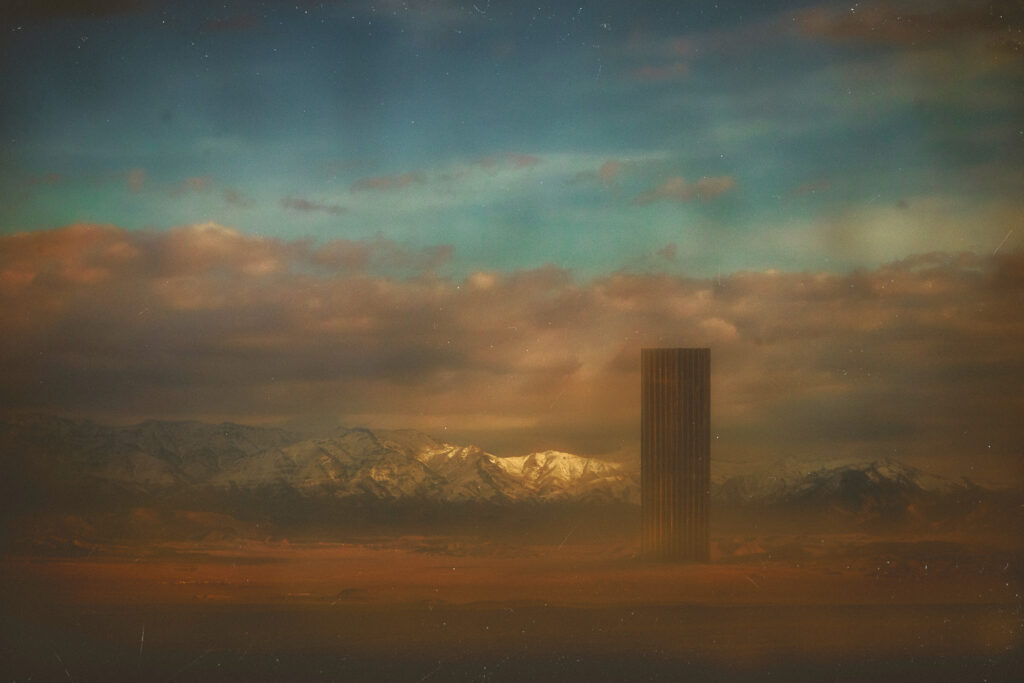
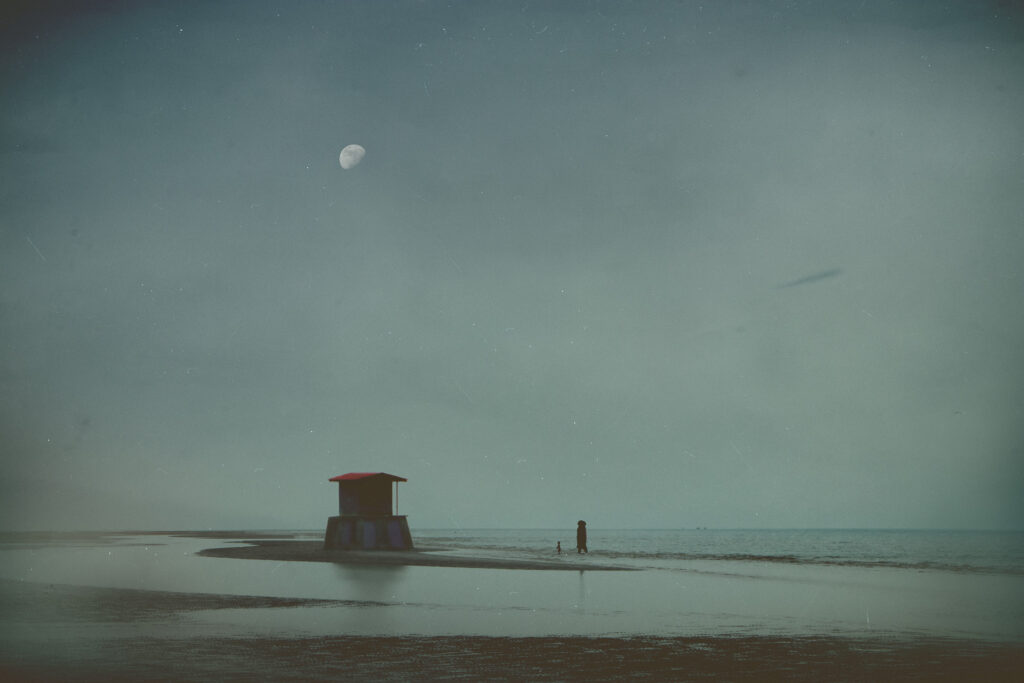
Life is filled with moments of uncertainty – times when we are no longer who we were, but have not yet become someone new. ‘Threshold’ explores these suspended moments of transition. Rather than showing dramatic events, the photographs focus on quiet spaces where change is present but not yet complete.
Dough
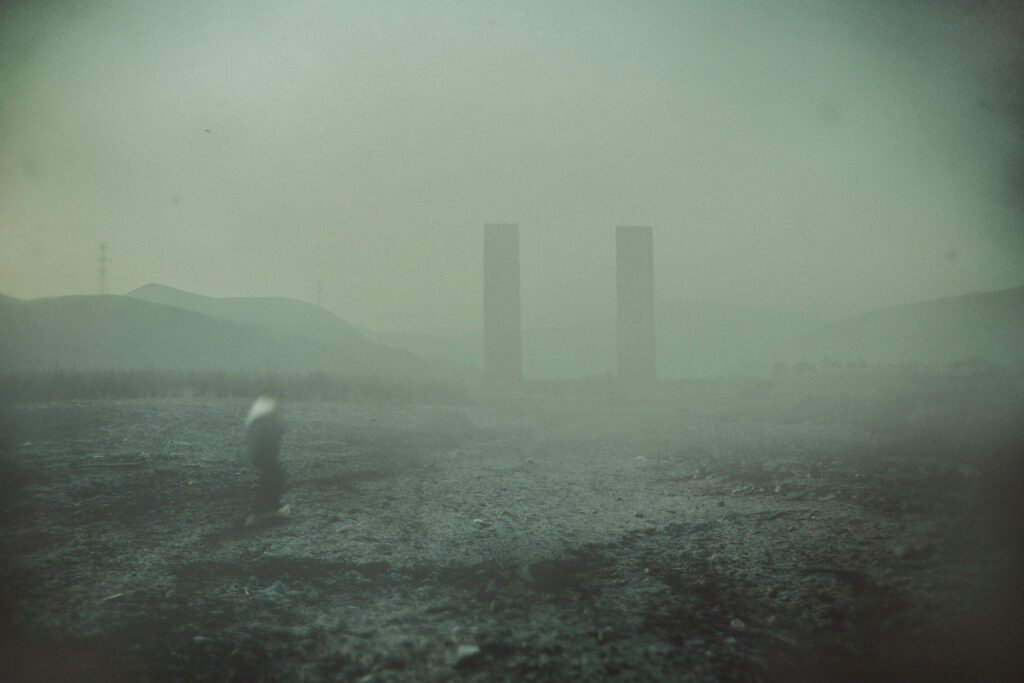
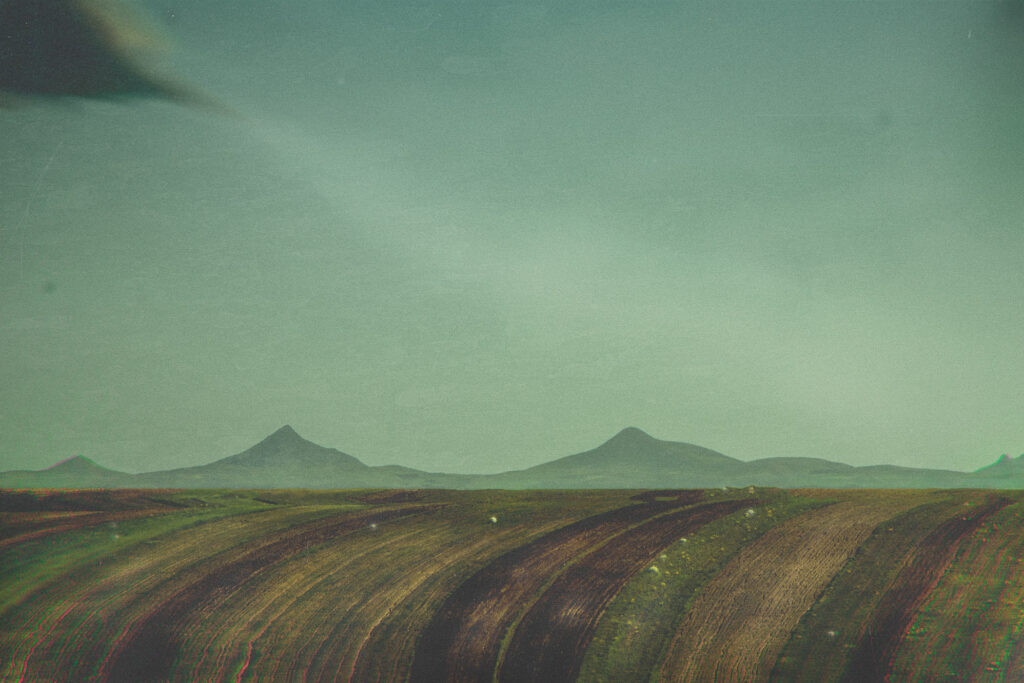
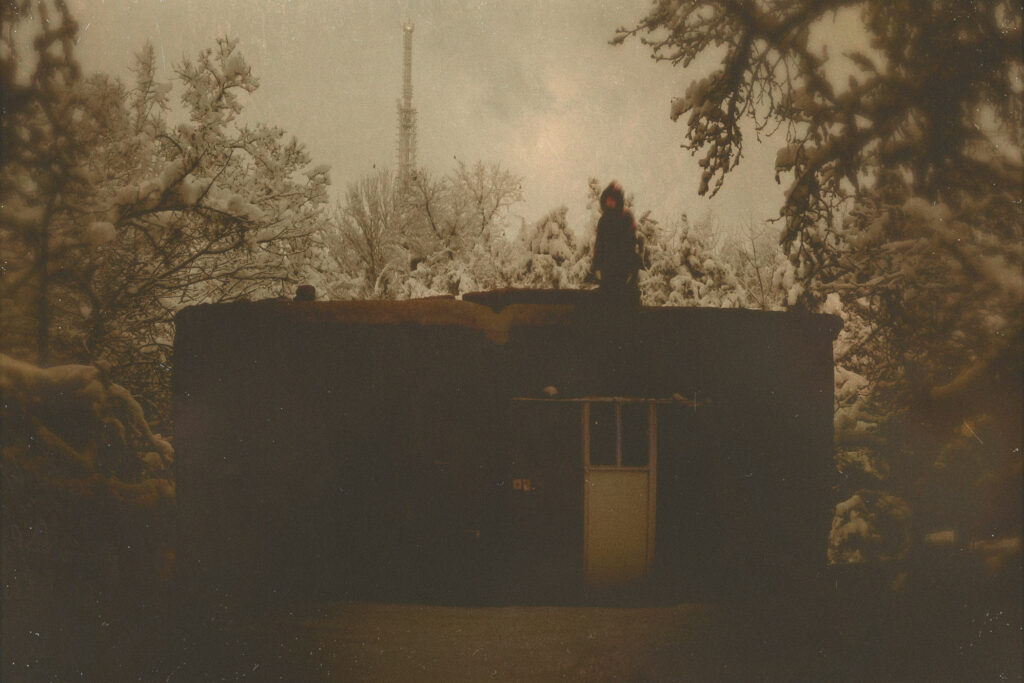
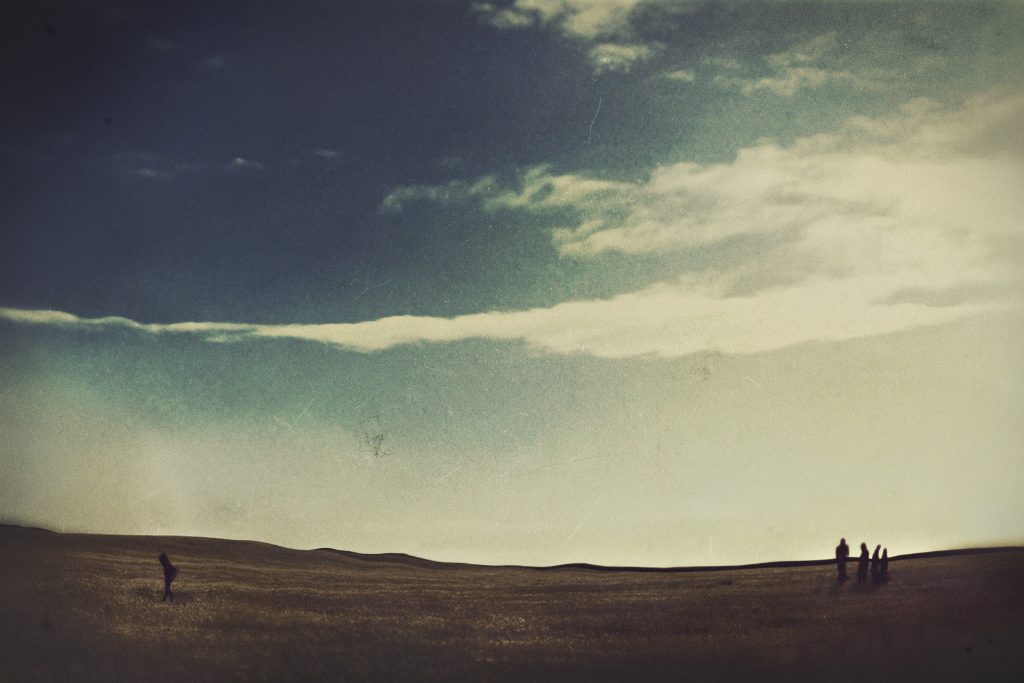
Our understanding of the world is always influenced by language, memory, culture, and personal experience. We never encounter reality without interpretation. ‘Dough’ questions these invisible layers that shape perception. Through quiet and open images, the series asks whether it is possible to experience the world before our assumptions begin to define it.
Outside the Skin
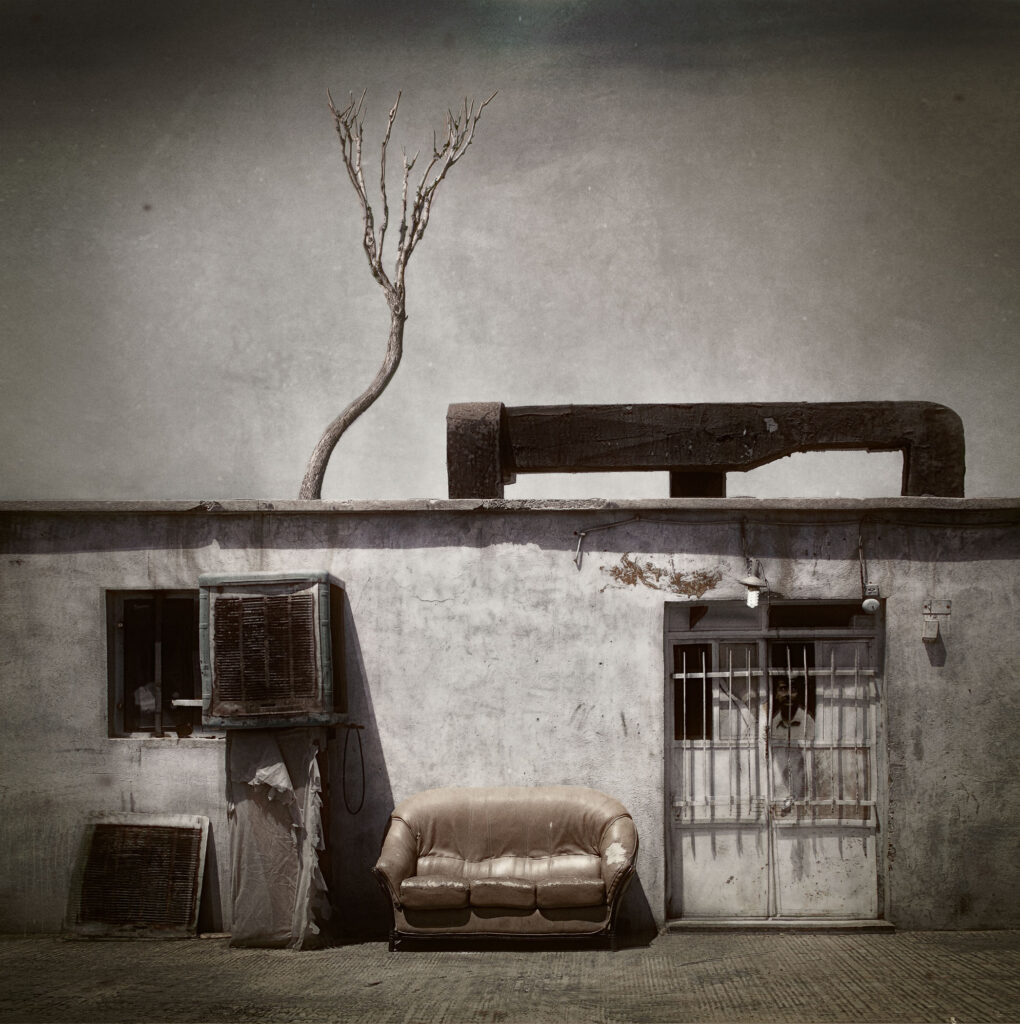
Public life is shaped by social roles, expectations, and cultural values. At the same time, every person carries a private inner life that often remains hidden.
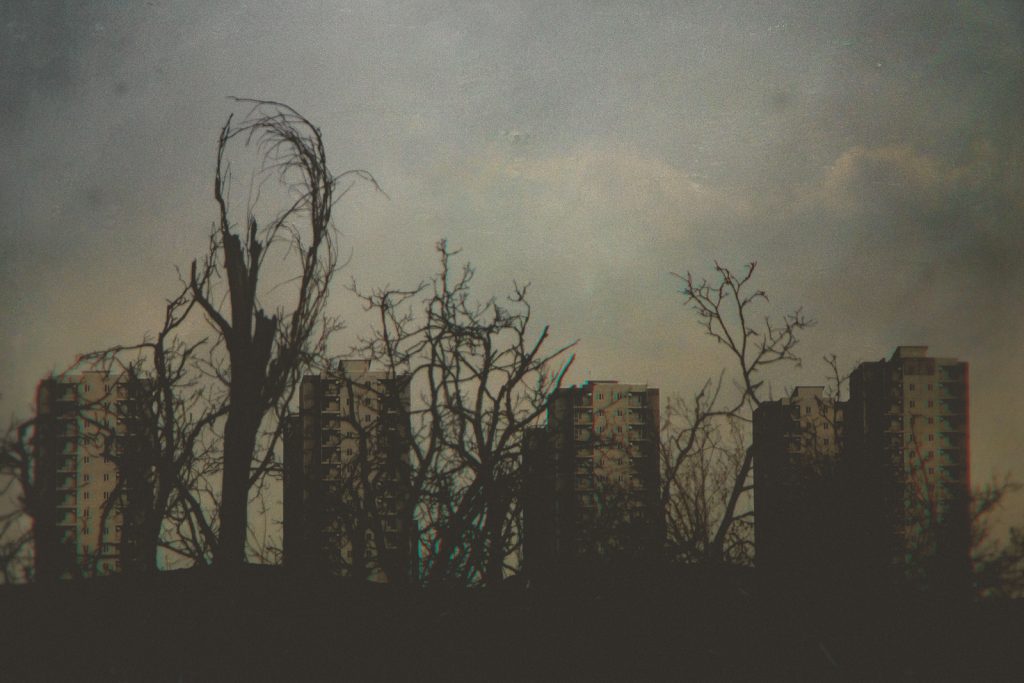
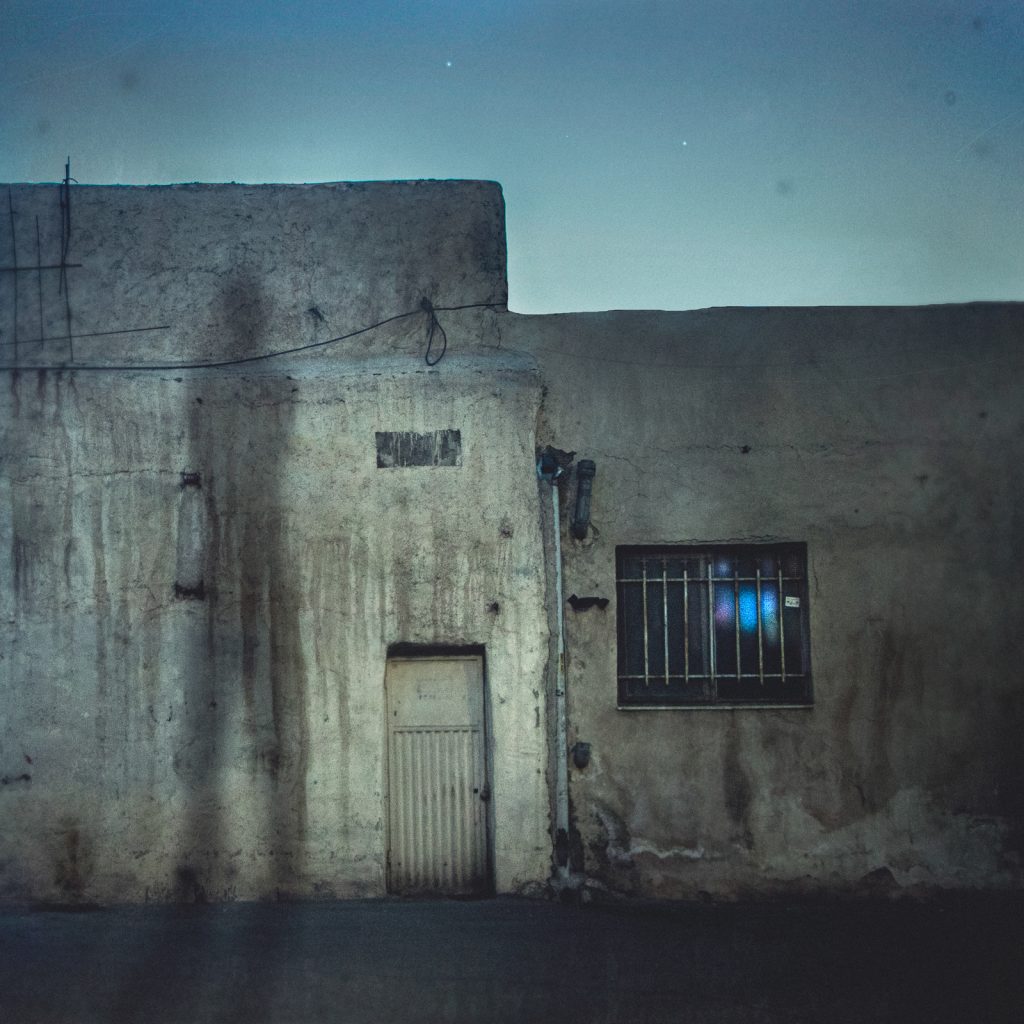
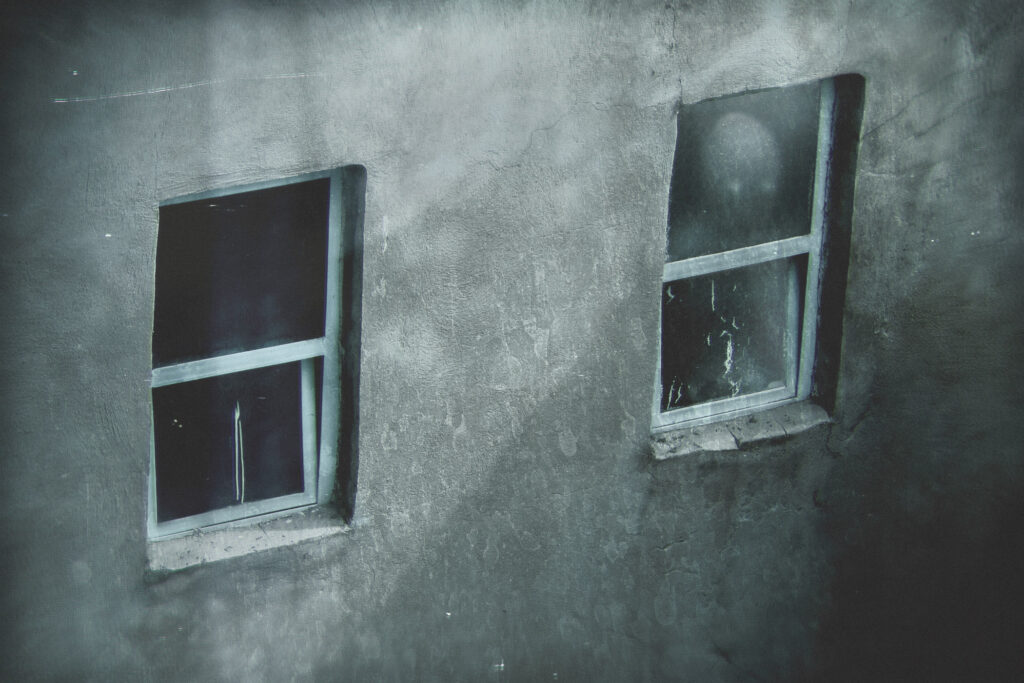
‘Outside the Skin’ explores this relationship through the surfaces of houses and domestic spaces. Walls, windows, and facades become visual traces of emotions, memories, and experiences that are usually kept out of sight.
Cavity
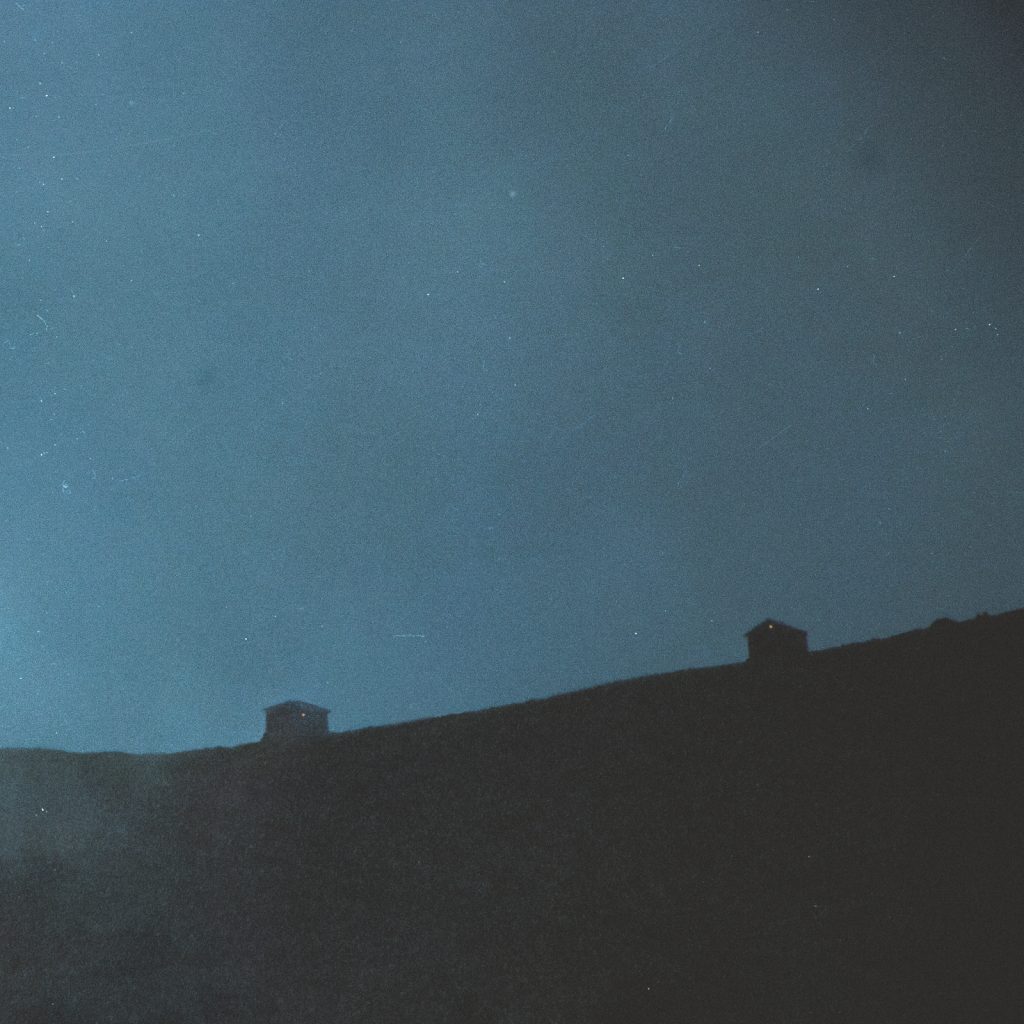
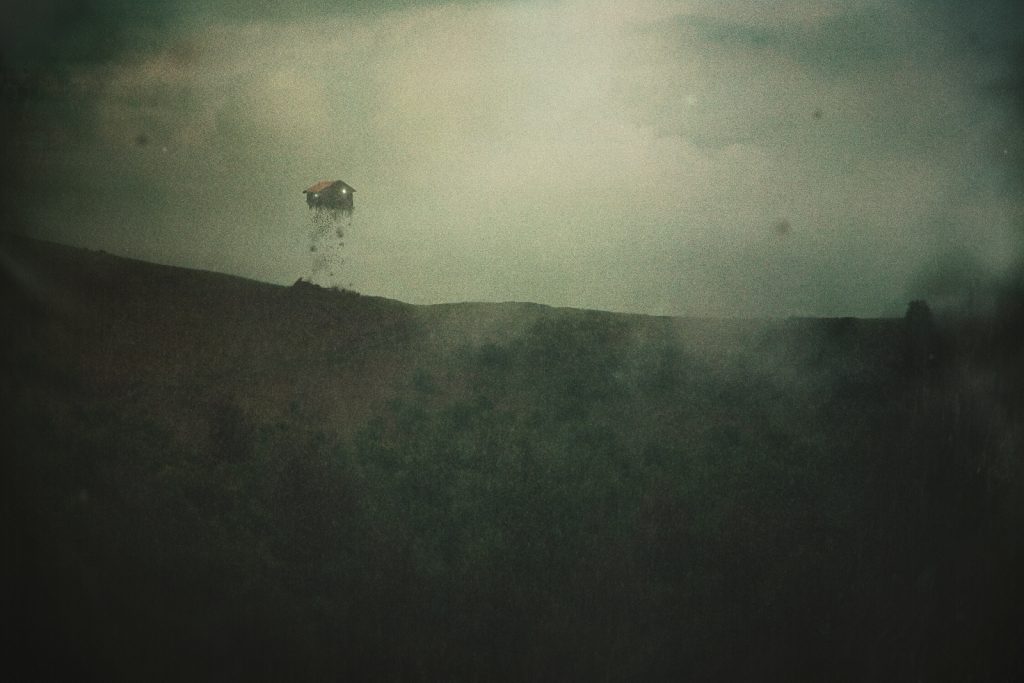
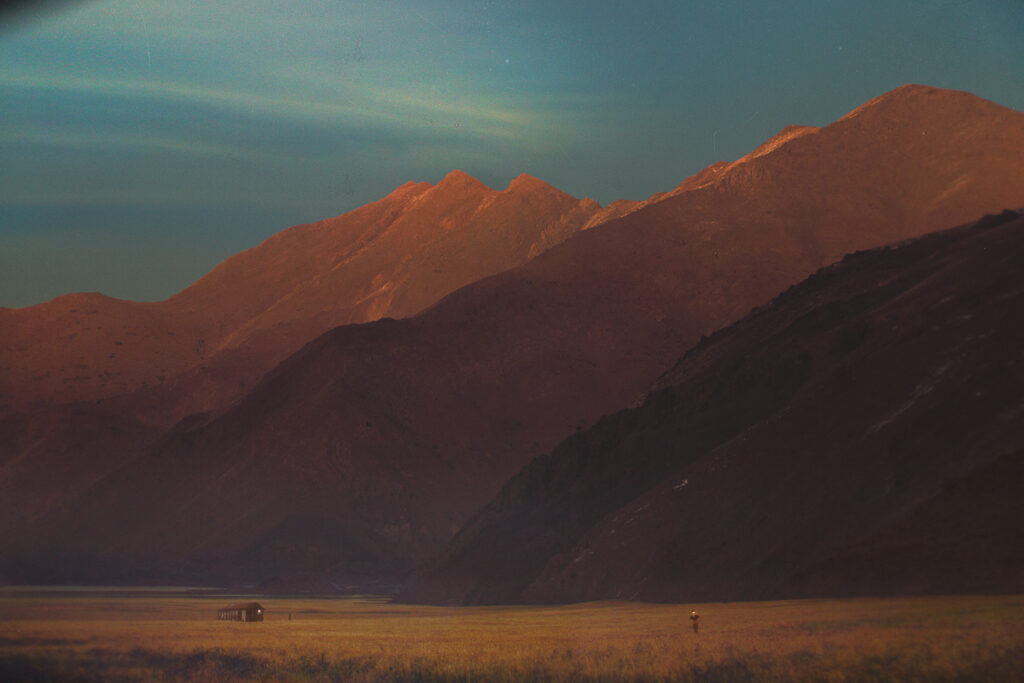
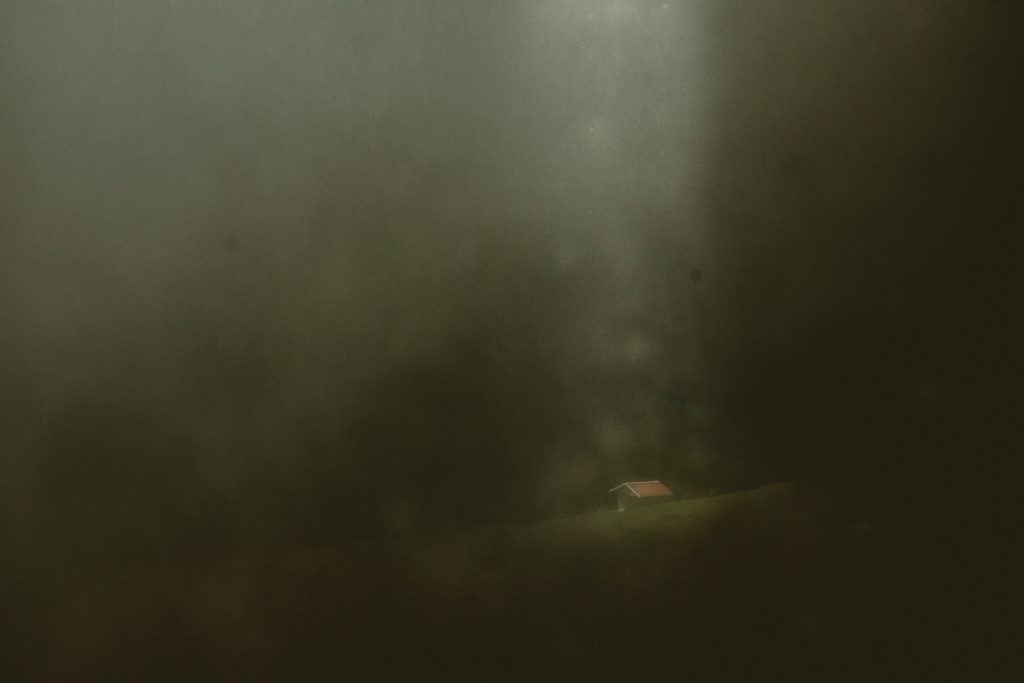
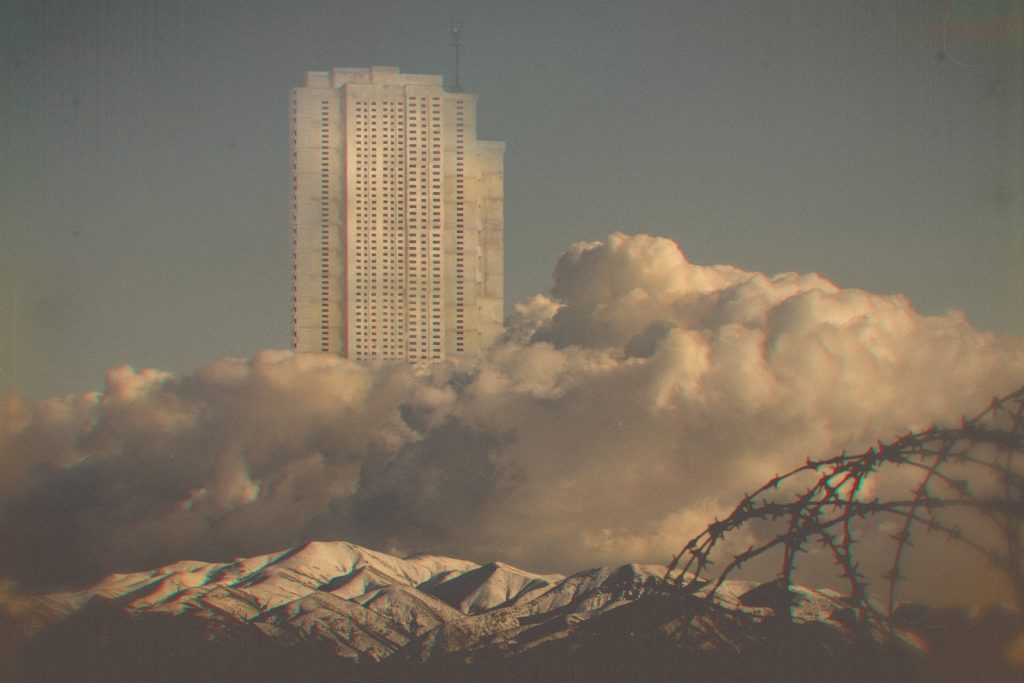
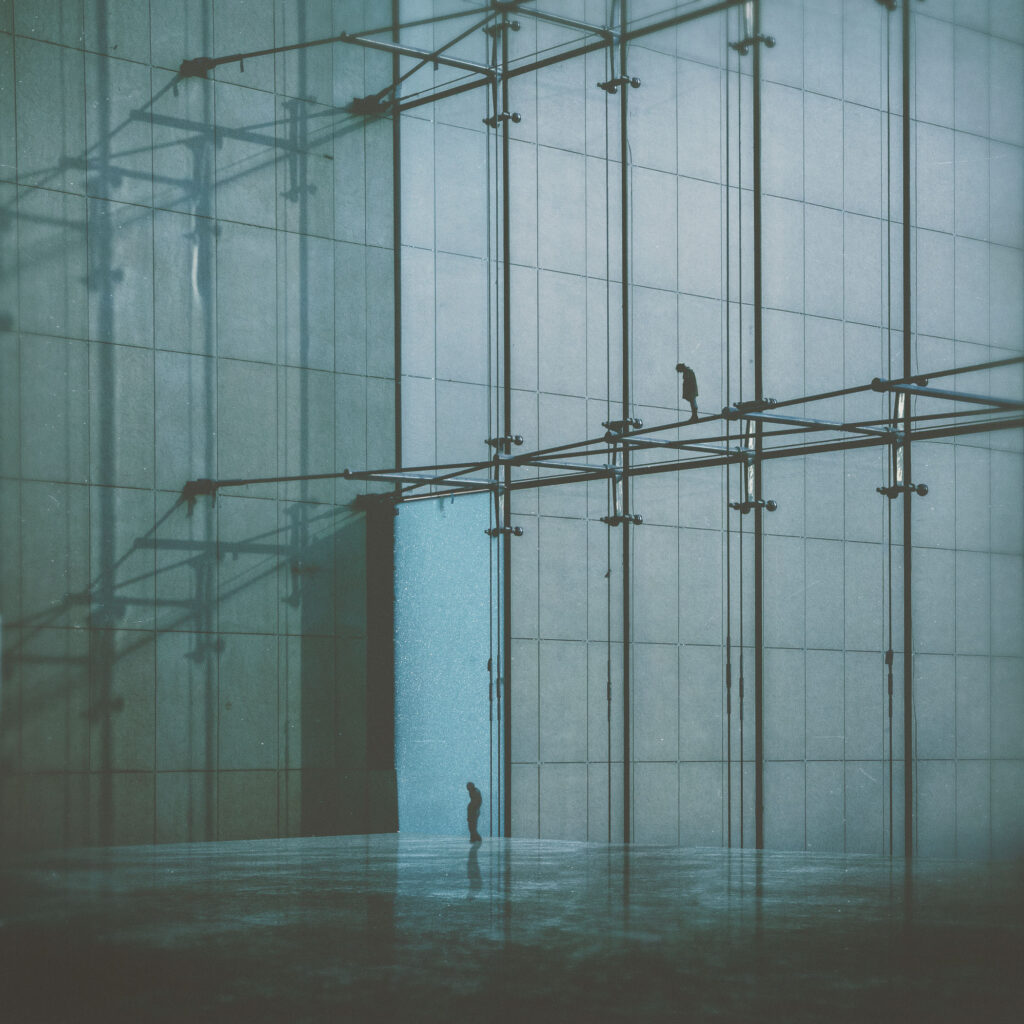
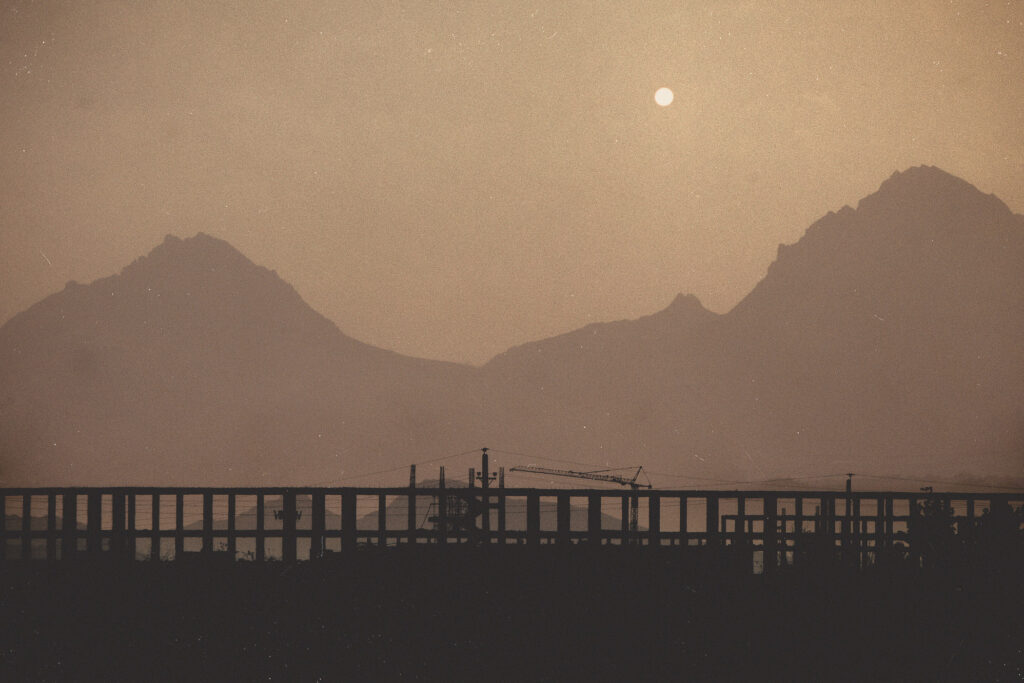
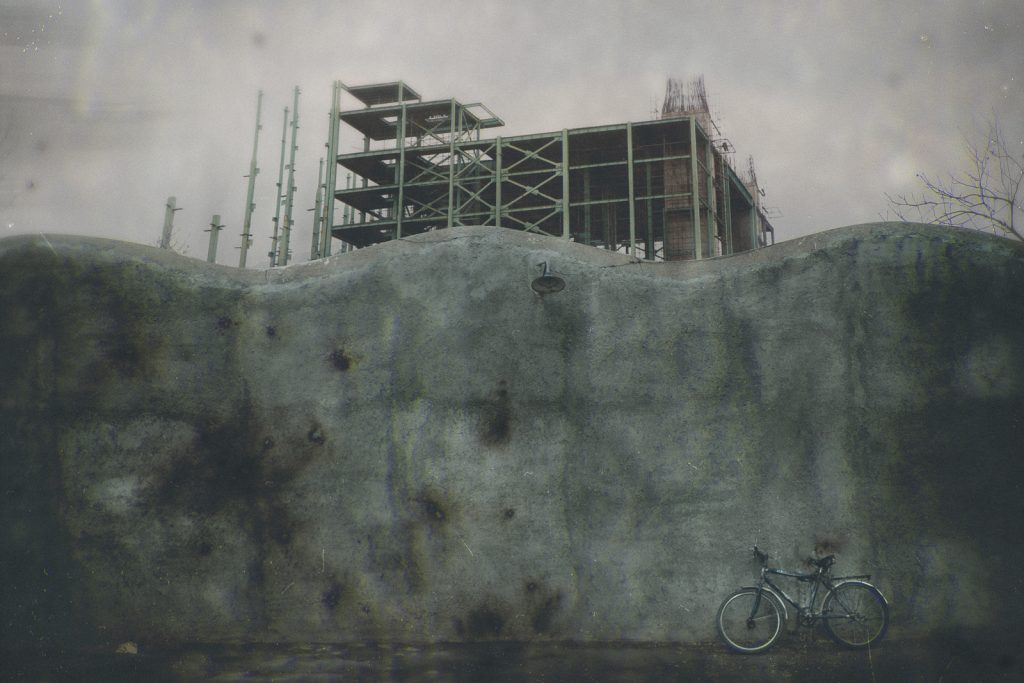
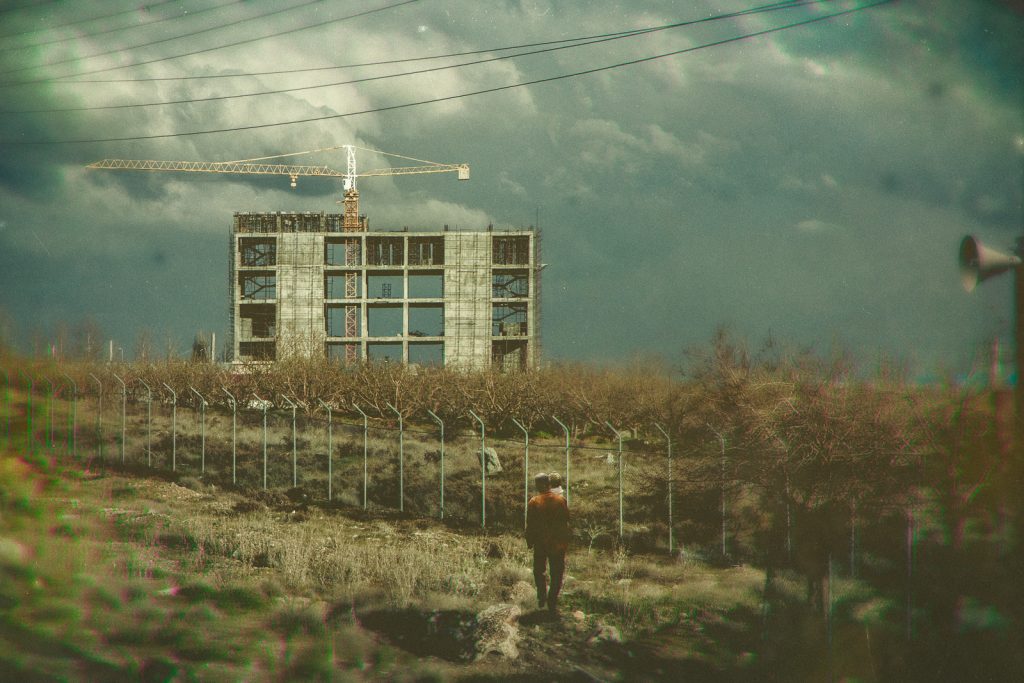
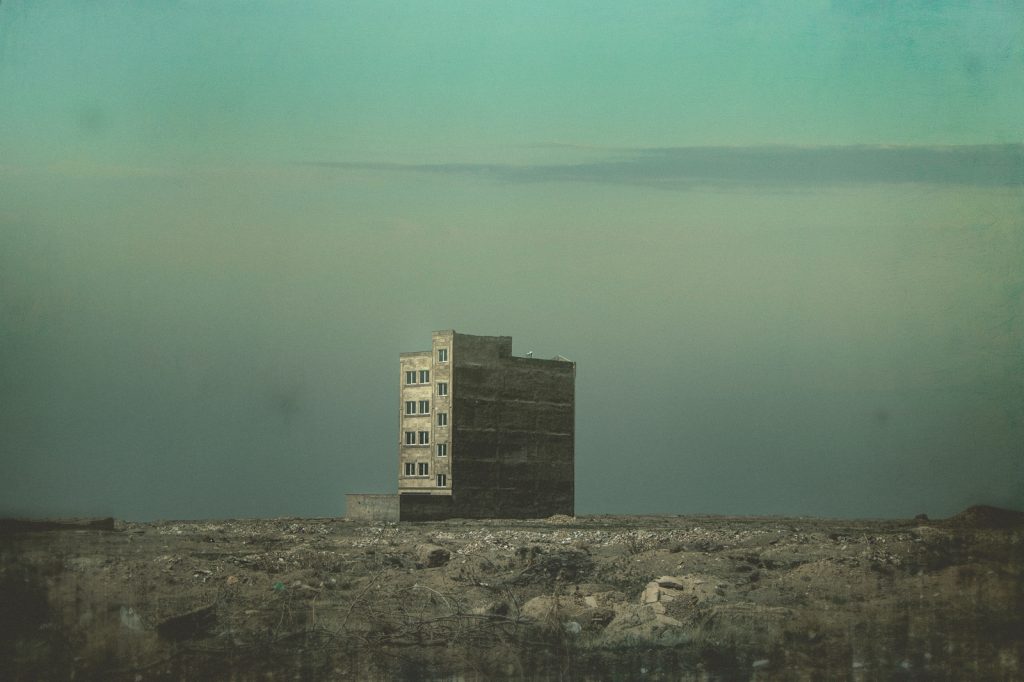
‘Cavity’ explores the invisible gap between who we are and who we believe we should become. Inspired by Freud’s ideas about the human psyche, the series reflects on memory, desire, guilt, depression, and the emotional weight we carry throughout life.
These photographs do not illustrate psychological theories. Instead, they create quiet spaces where absence, longing, and inner conflict become visible through landscape and atmosphere.
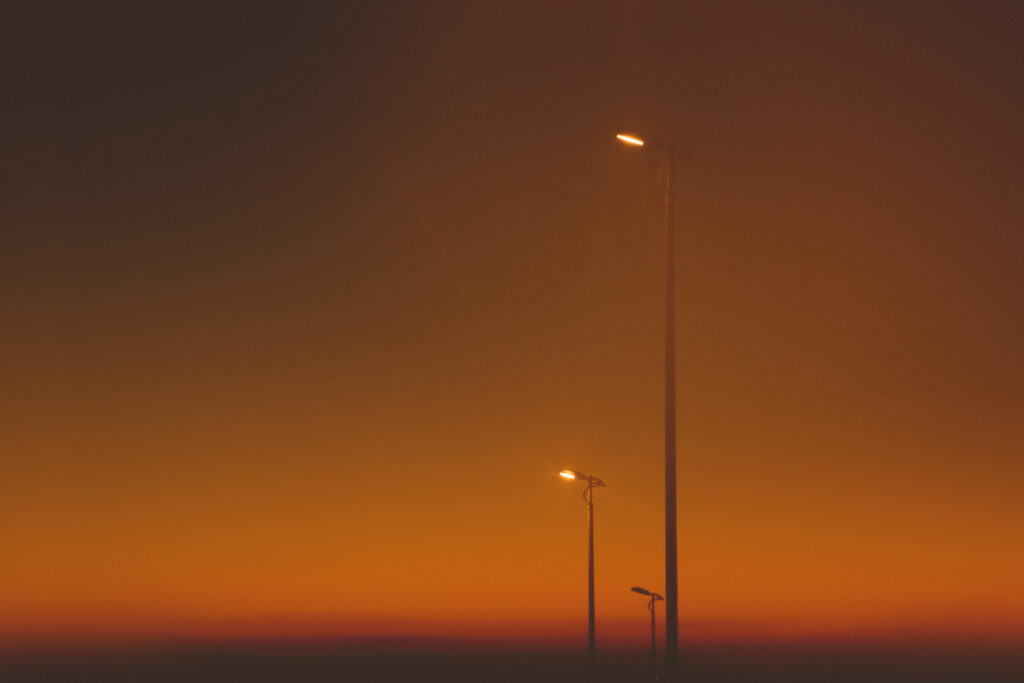
Desire
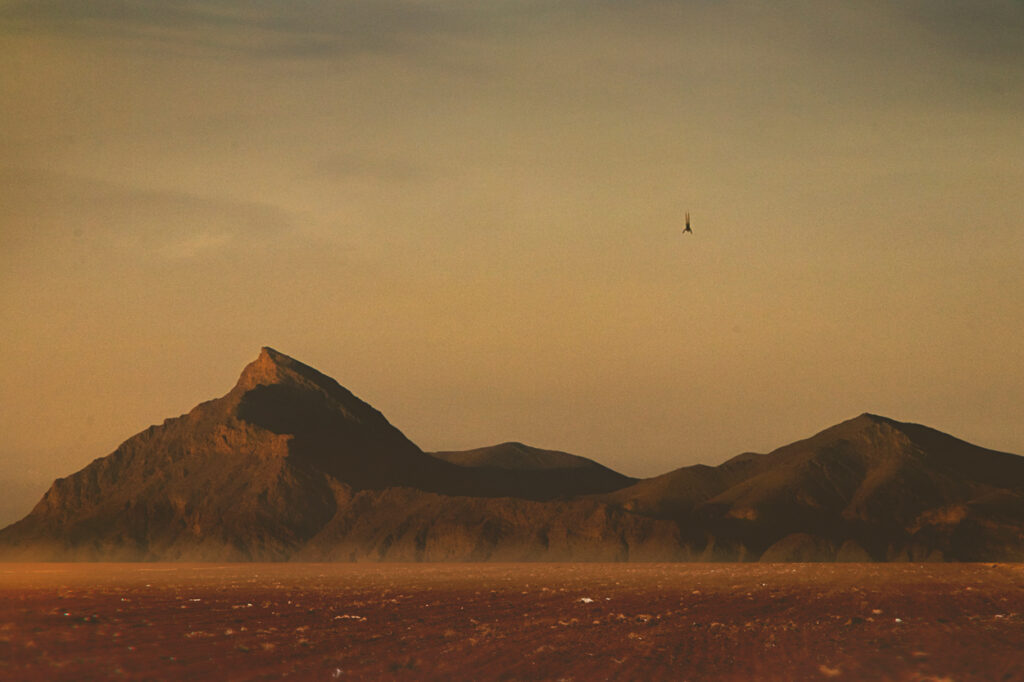
Desire shapes the way we see ourselves and the world around us. It is never simply about what we want, but about how our hopes, fears, and expectations are constantly changing. This series explores desire as an endless movement rather than a destination. The images invite the viewer to reflect on what remains just beyond reach, and how that distance continues to define human experience.