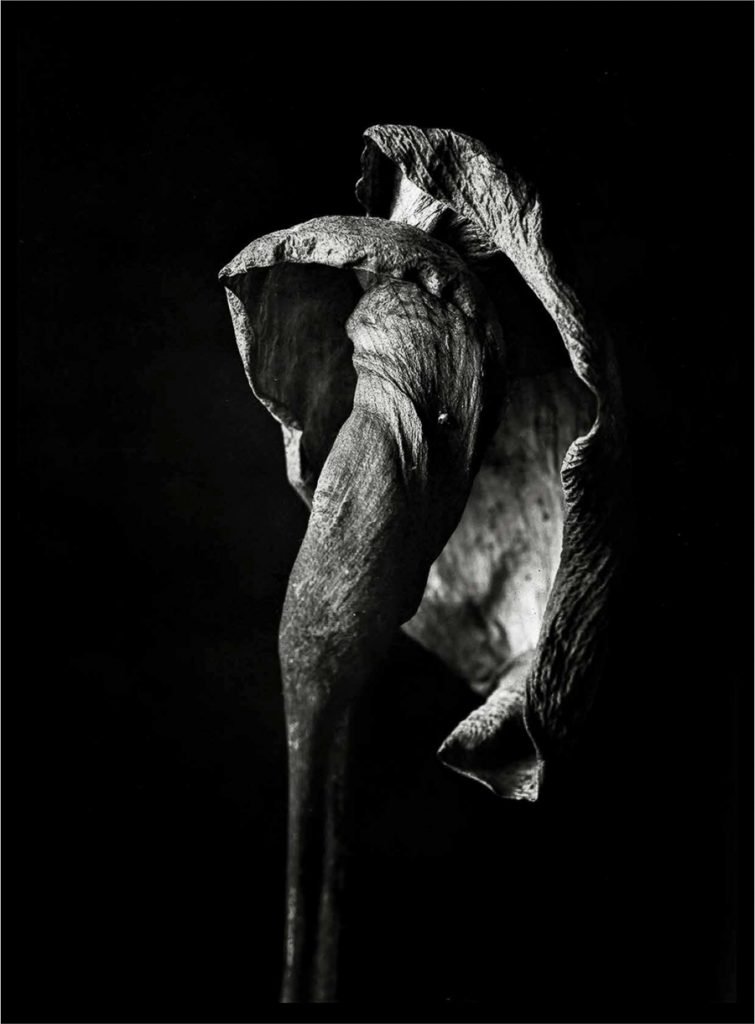
Diego Echevers Torrez
Bolivian photographer Diego Echevers Torrez first picked up a camera in1997 as a student for research purposes in connection with architecture and anthropology study projects.
Entirely self-taught and relying on his own visual and aesthetic instincts his photography developed without any formal guidance or genre reference points. Only years later with the advent of the internet access to information relevant to his photography became easier. That led to his discovery of names like Edward Curtis, Josef Sudek, Karl Blosfeldt, Irving Penn and Sebastião Salgado – photographers he would now cite as influence on his own work.
Whilst Diego Echevers Torrez’ photography is informed to some extent by his background in anthropology, his work has artistically transcended its documentary origins. He pays homage to the people and culture of his country as well as addressing social concerns such as increasing inequality and industrialisation that endanger their traditional way of life.
Cocani
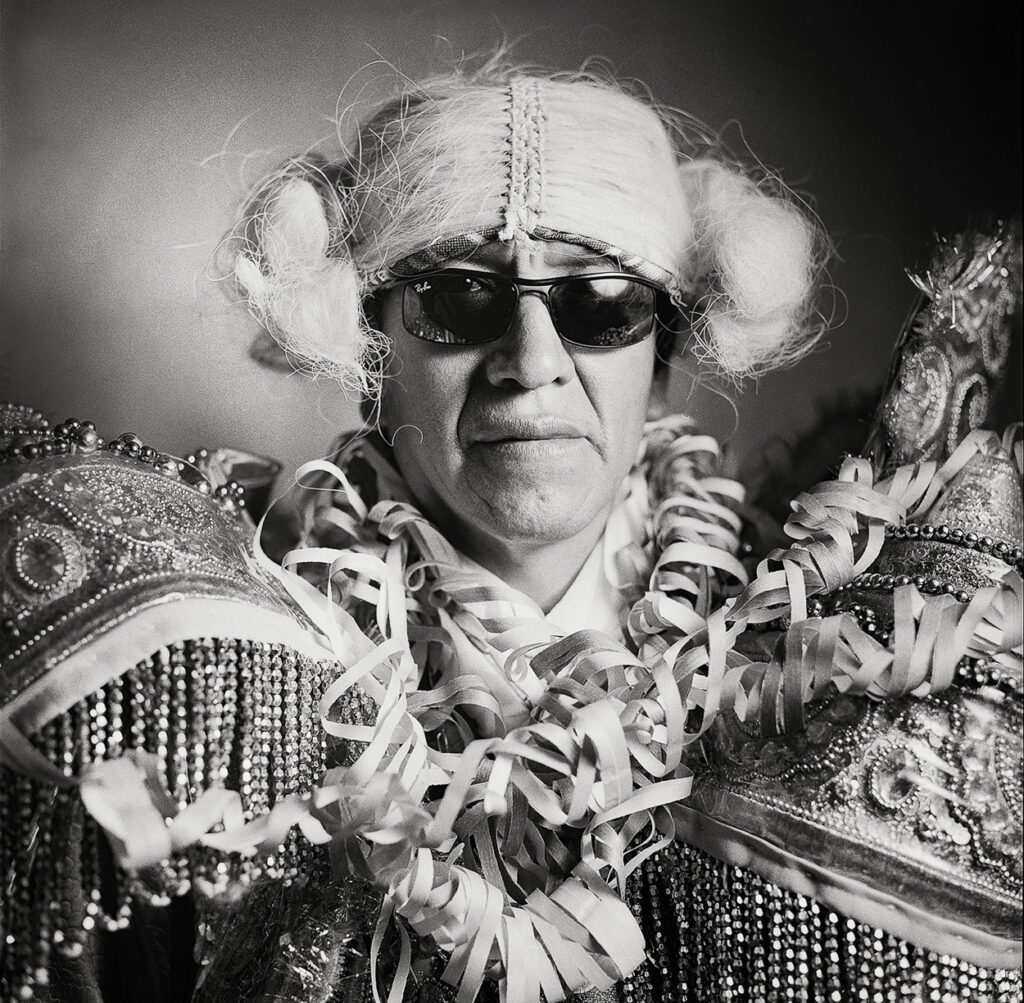
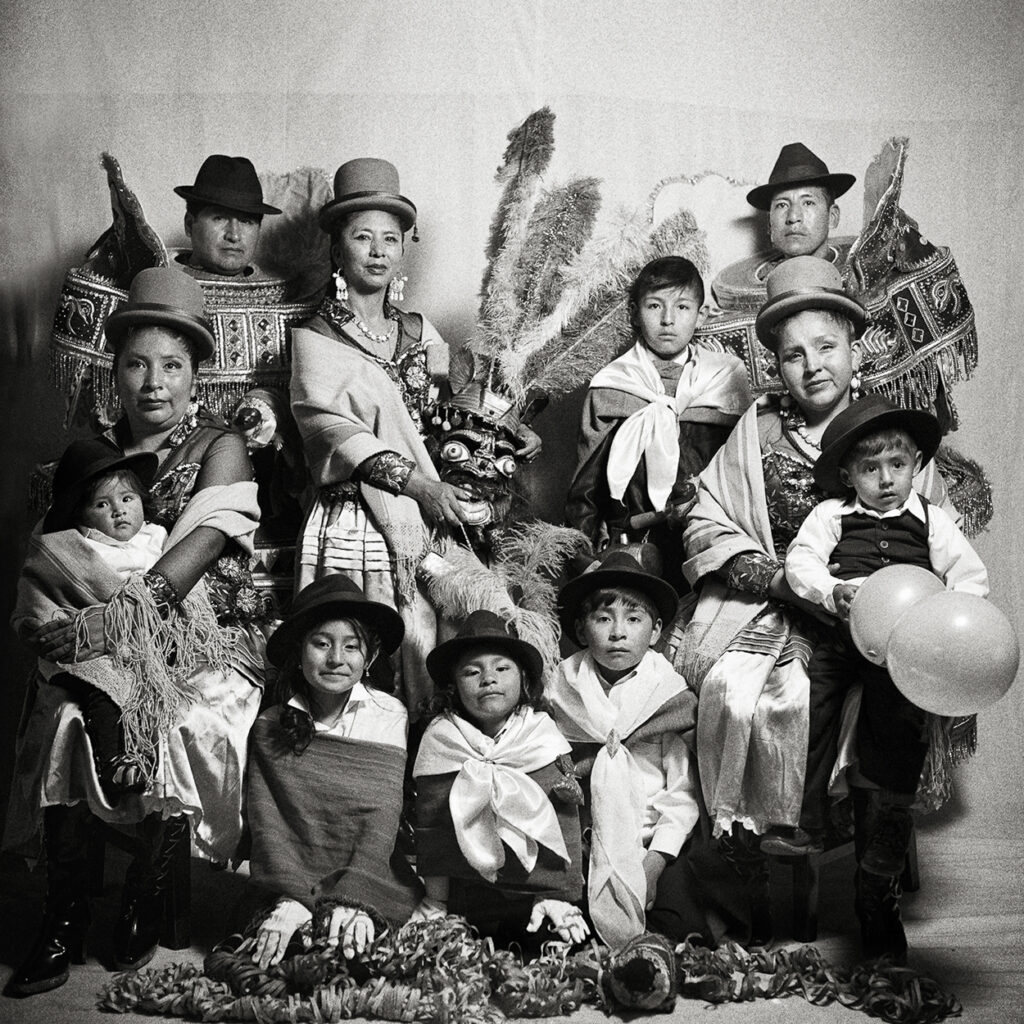
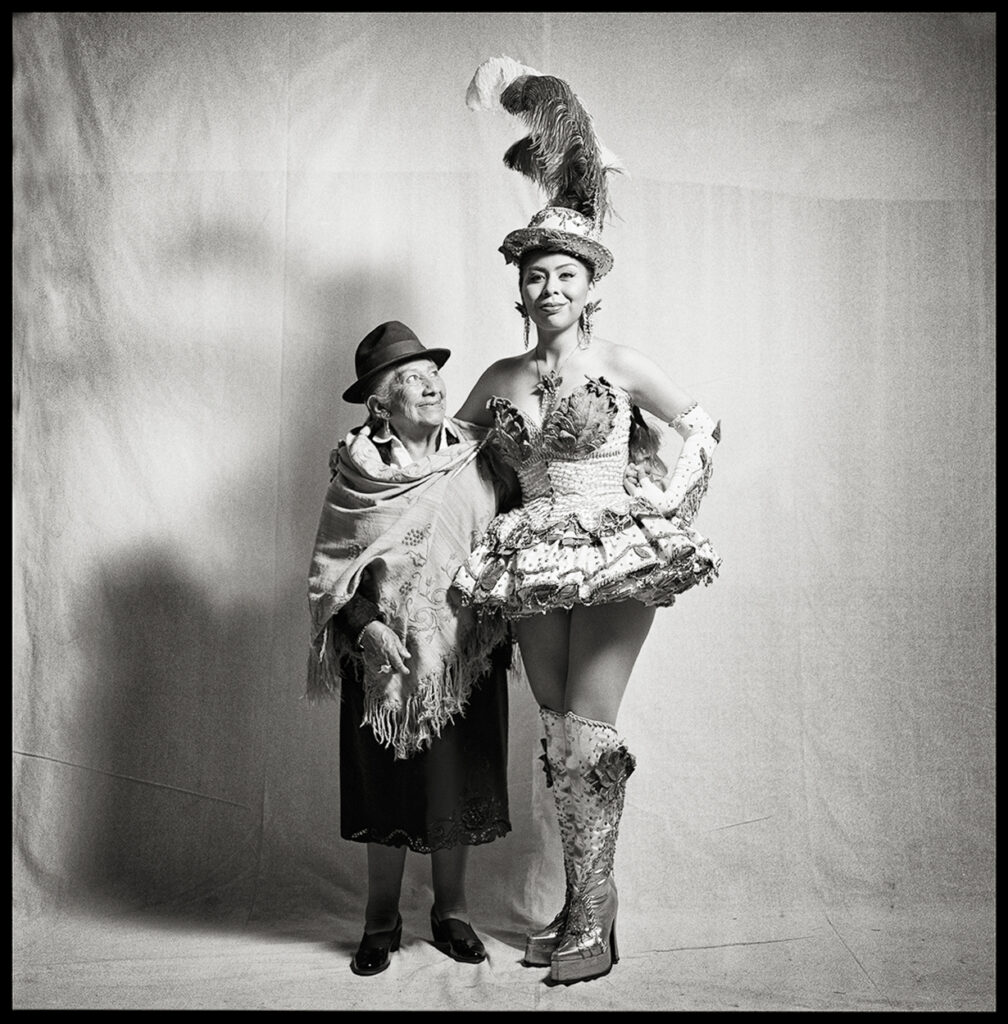
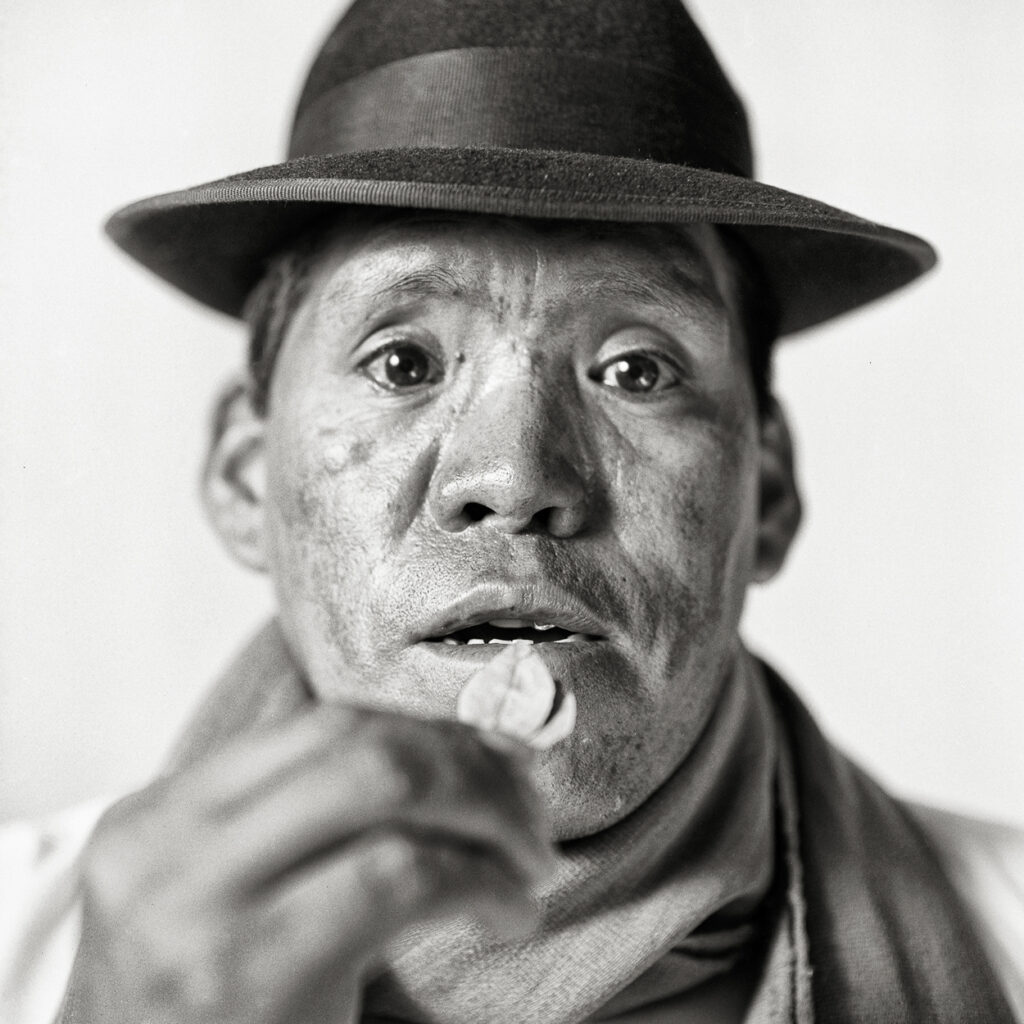
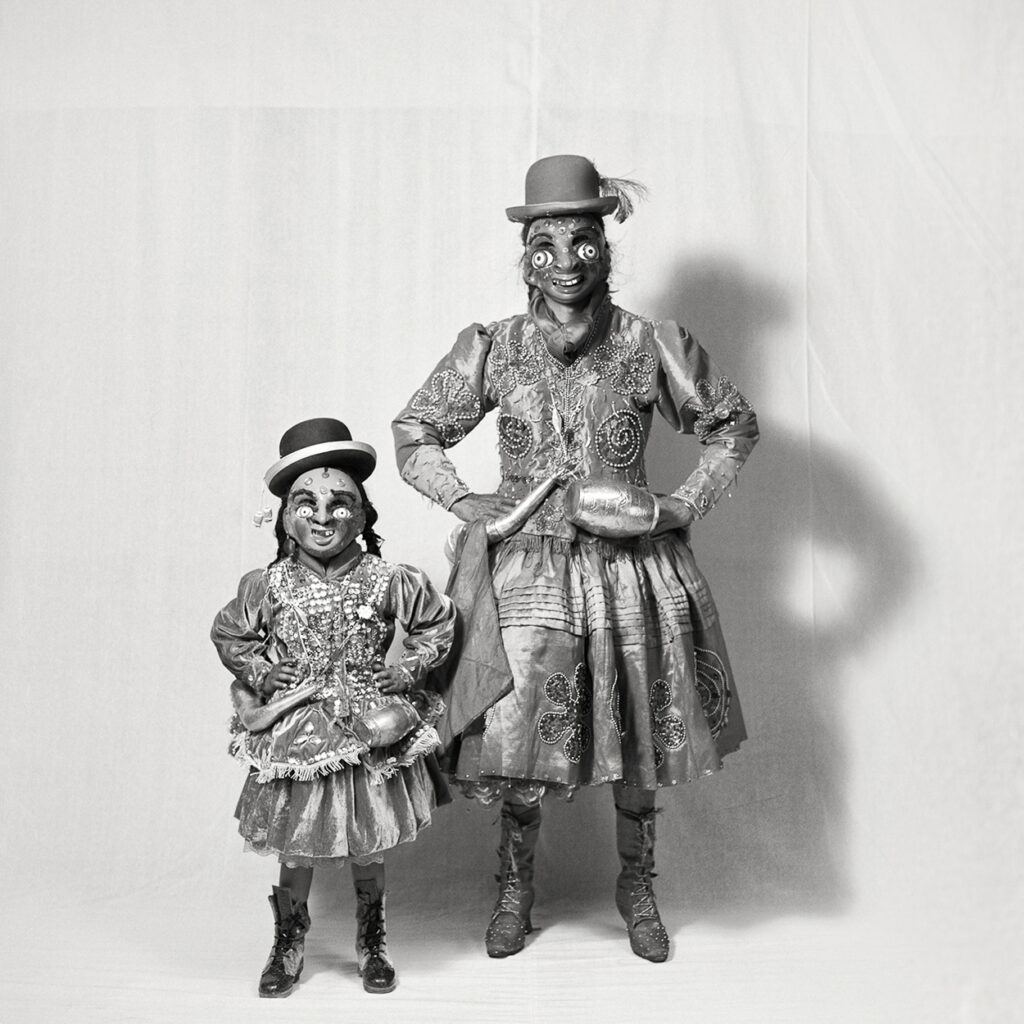
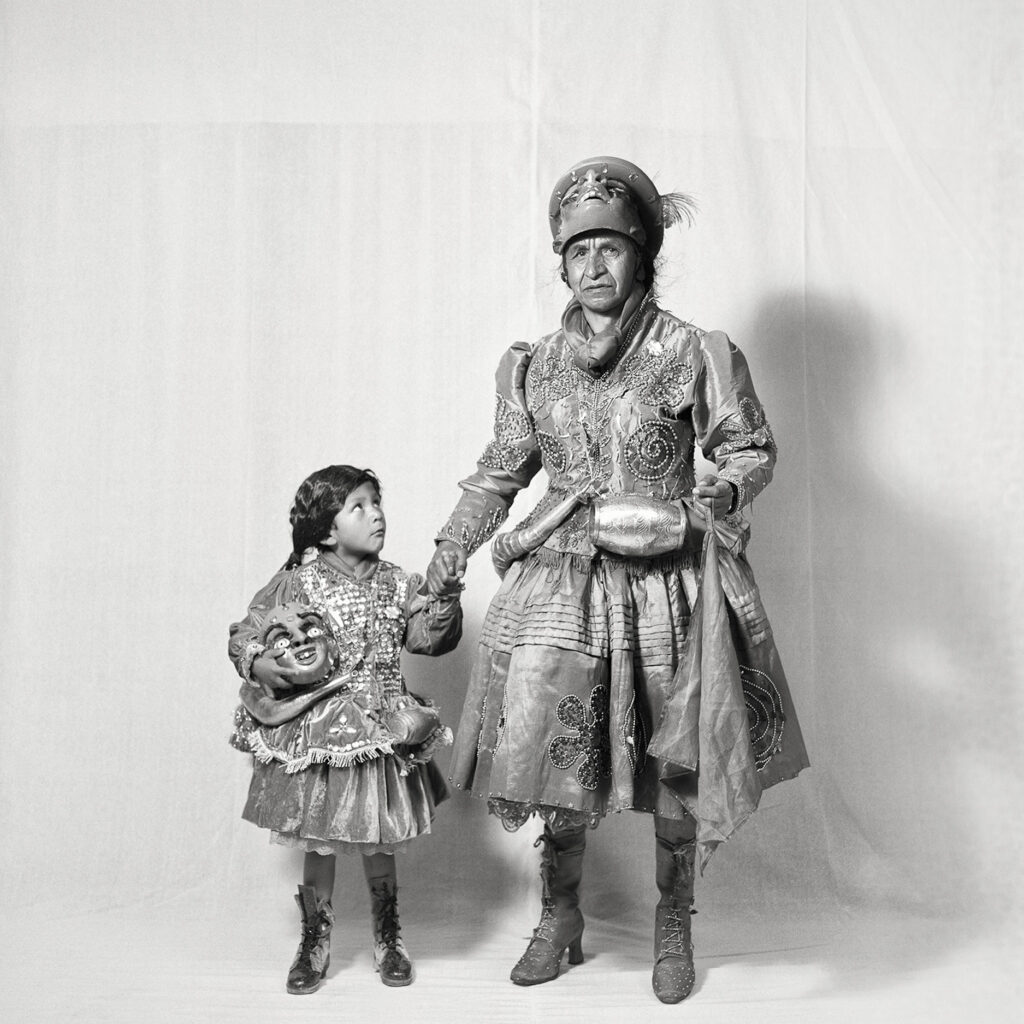
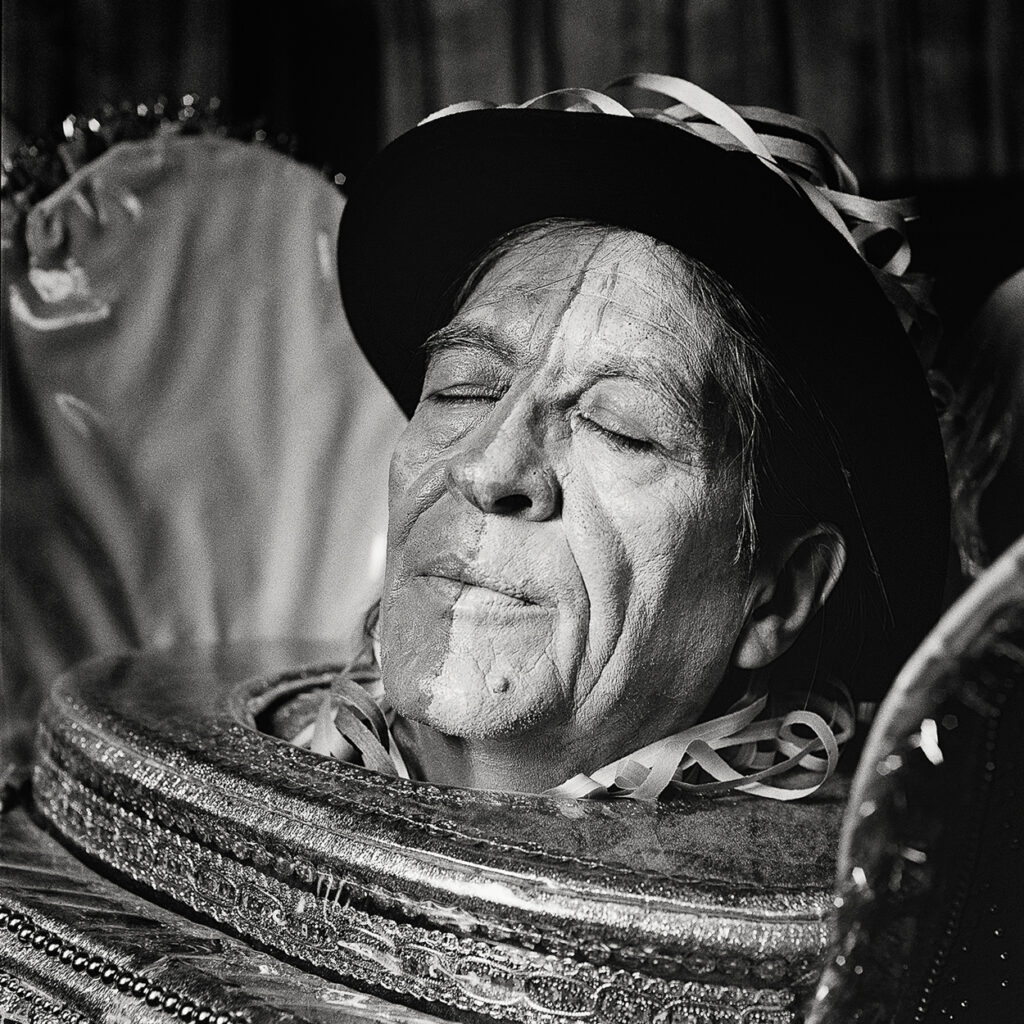
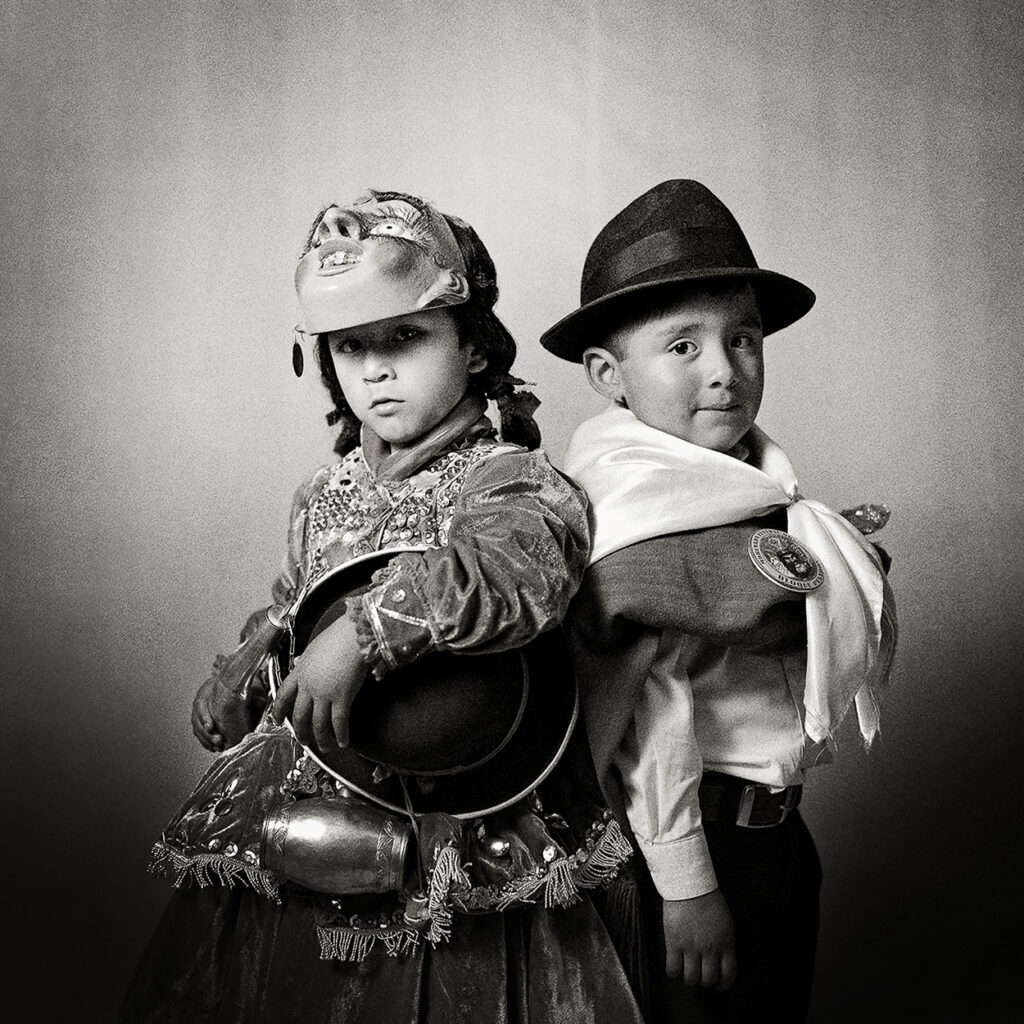
Cocani are the Aymara coca merchants, who settled in the Bolivian city Oruro at the time when the region thrived on silver and tin mining. The region, its people and local mining industry gave rise to a rich carnival tradition – symbolic of the local culture – still celebrated today. Increasingly, in recent years the popularity of the local carnival tradition has been appropriated and exploited by nonindigenous economically powerful segments of Bolivian society realising its potential for the commercial tourist industry.
In the ‘Cocani’ project Diego Echevers Torrez pays tribute to the culture and traditions of the Cocani by capturing their cultural memory, their voice and their faces projecting the struggle of people anchored in the history of the mines of a city that little by little forgets its origins.



Narraciones de la Imperfección