
Albumen Gallery
Richard Konecky
In his landscape photography Richard Konecky draws on a number of sources for inspiration – the abstract geometry of Richard Diebenkorn’s Ocean Park paintings and the pure abstraction of monochromatic line in the paintings of Franz Kline; the flowing colour of traditional Japanese woodblock printers and water colourists like Hiroshige and contemporary photographers such as Edward Burtinski or David Burdeny. He has also had a longstanding interest in and passion for macro photography and the way it changes the reality of what you see. The deeper one delves into an object, the more it becomes something else: distilled form, light, shadow and shape.
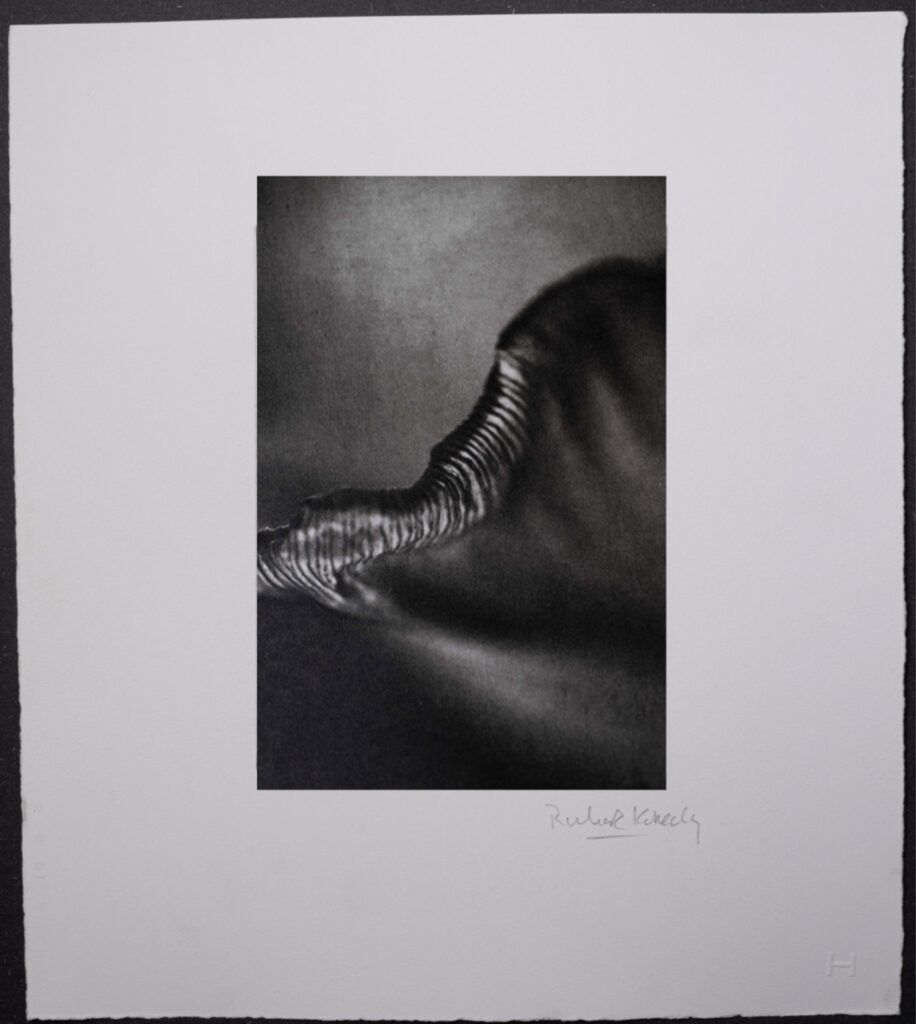
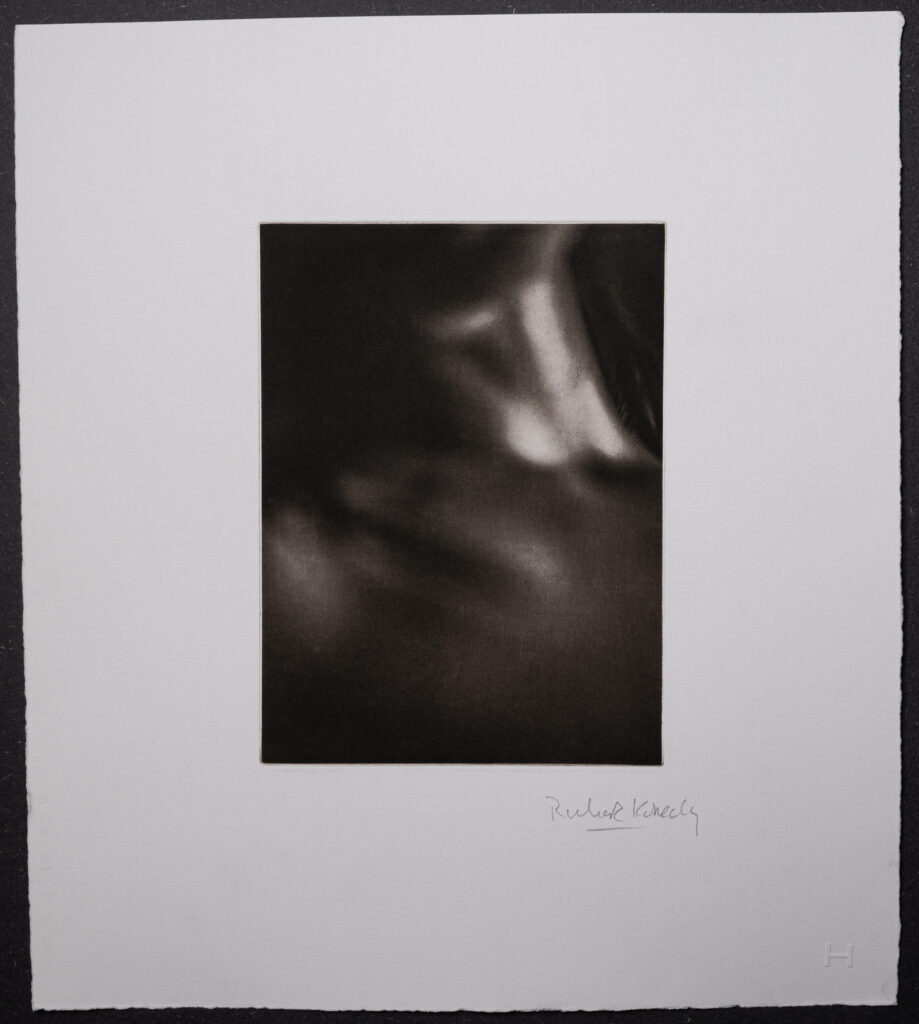
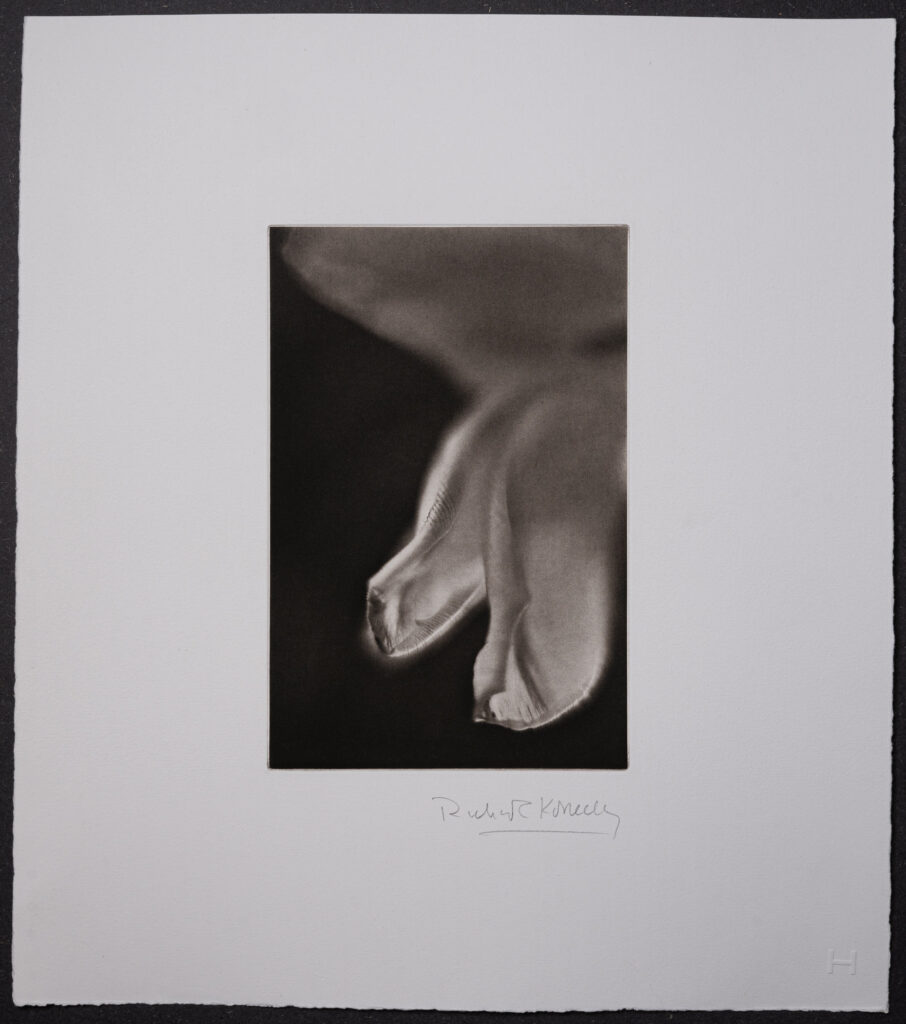
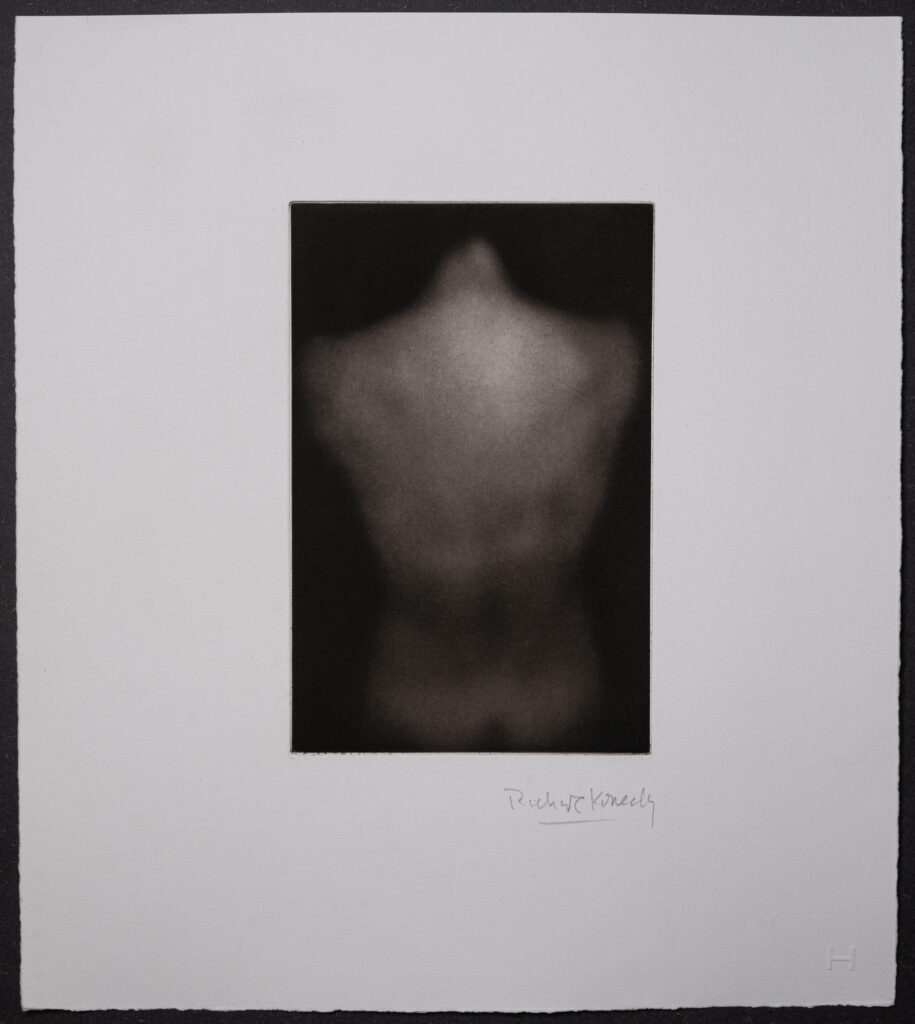
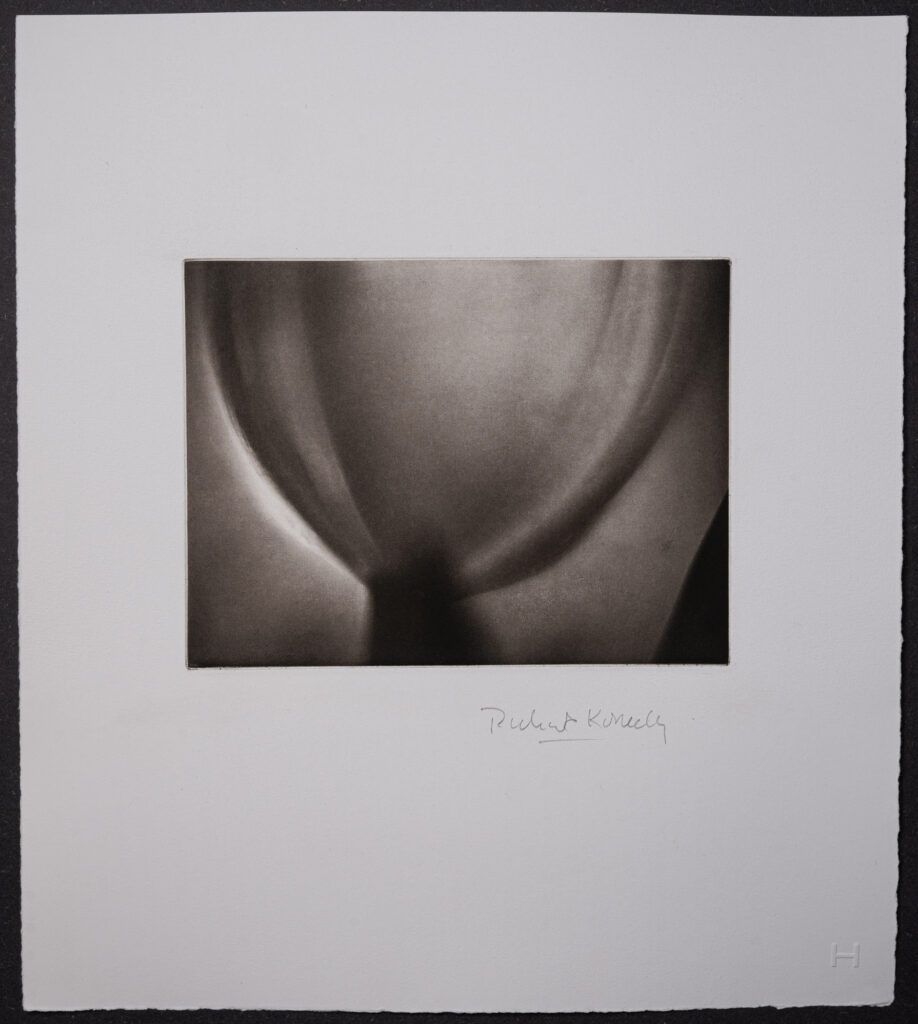
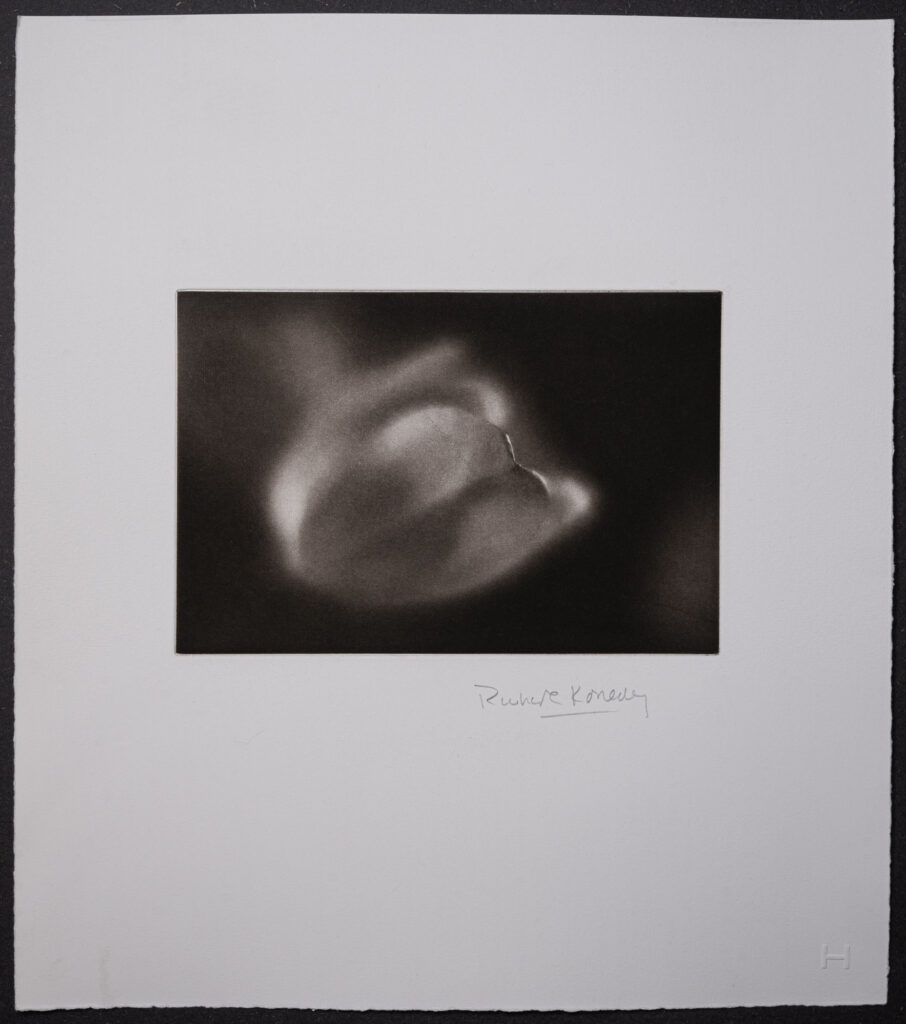
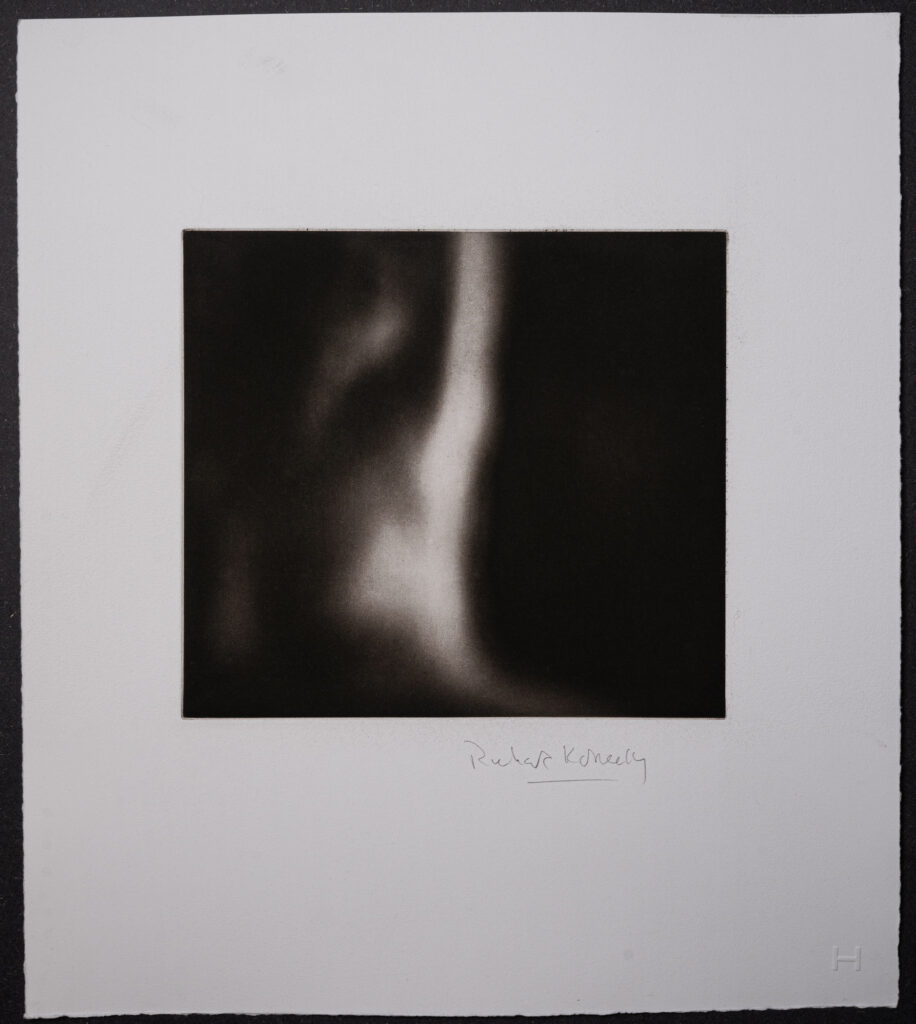
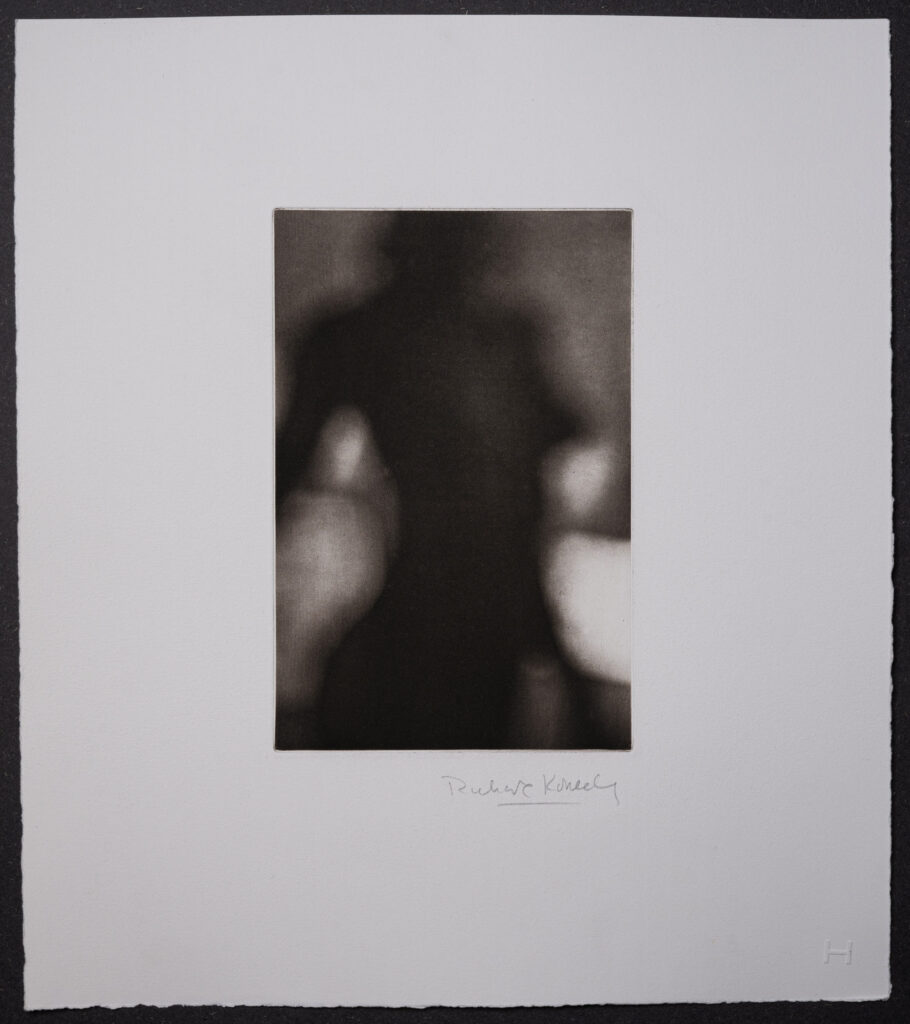
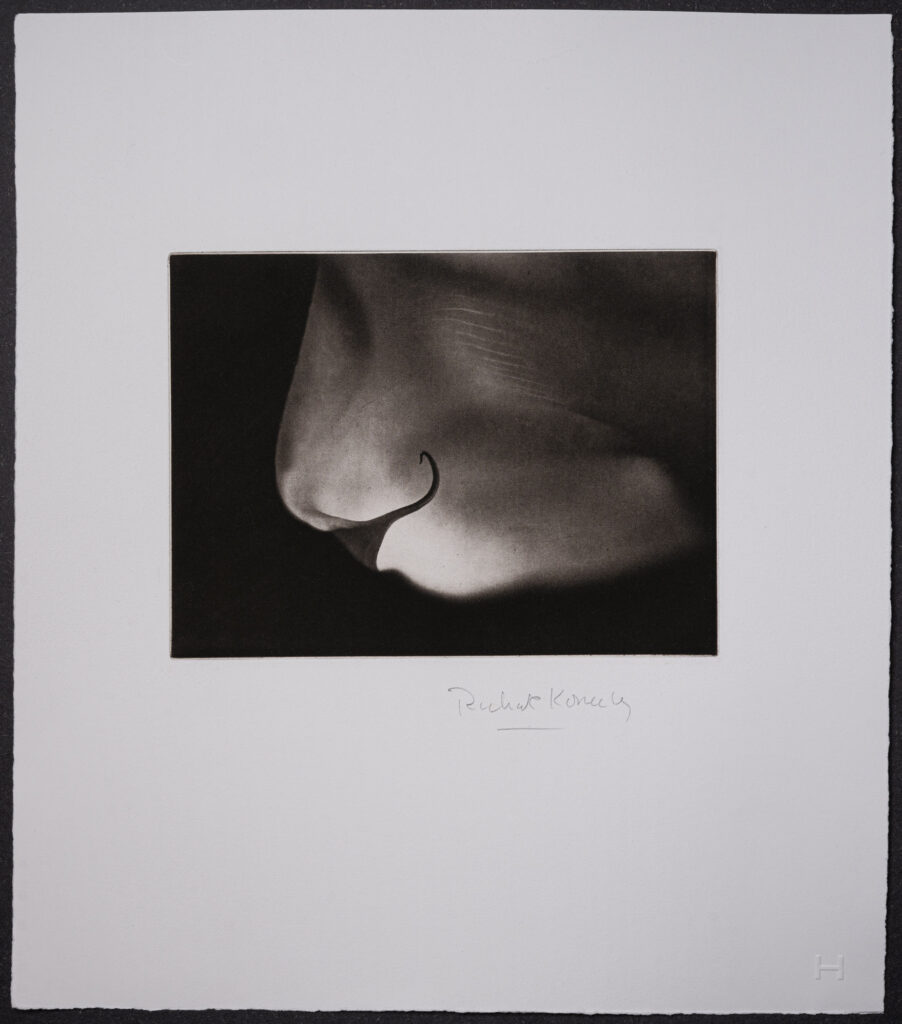
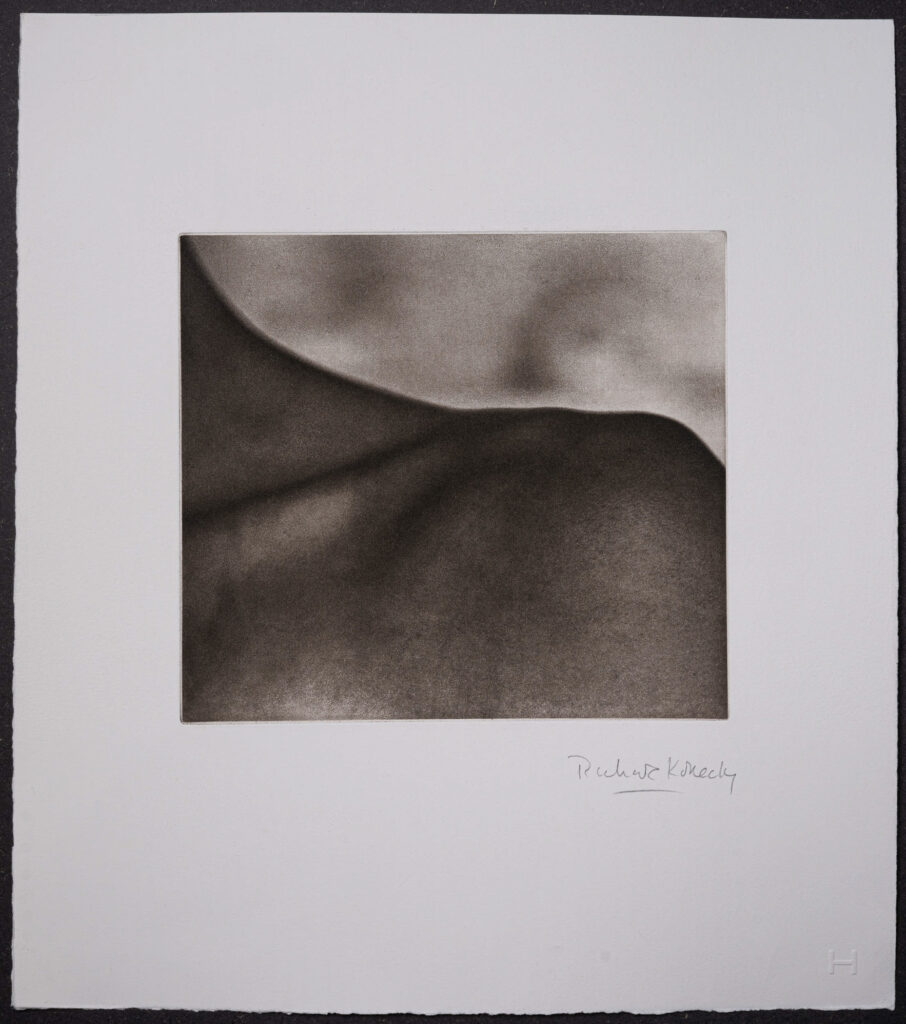
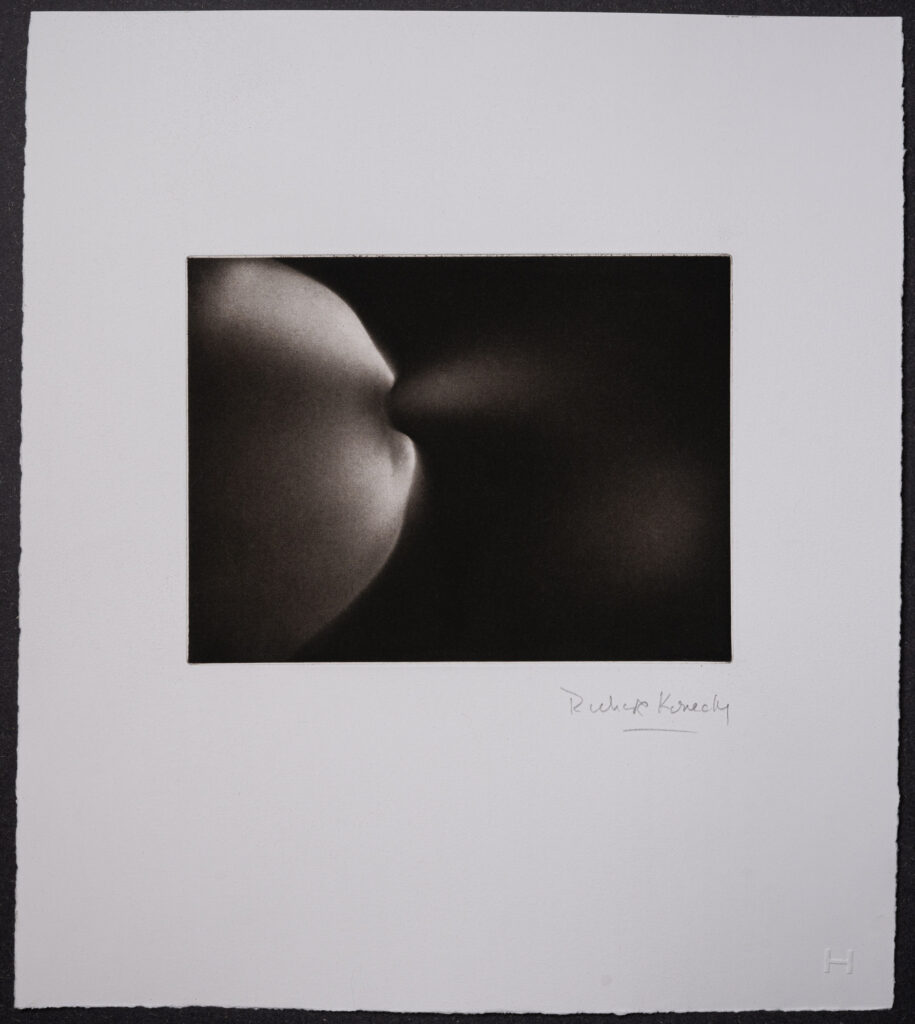
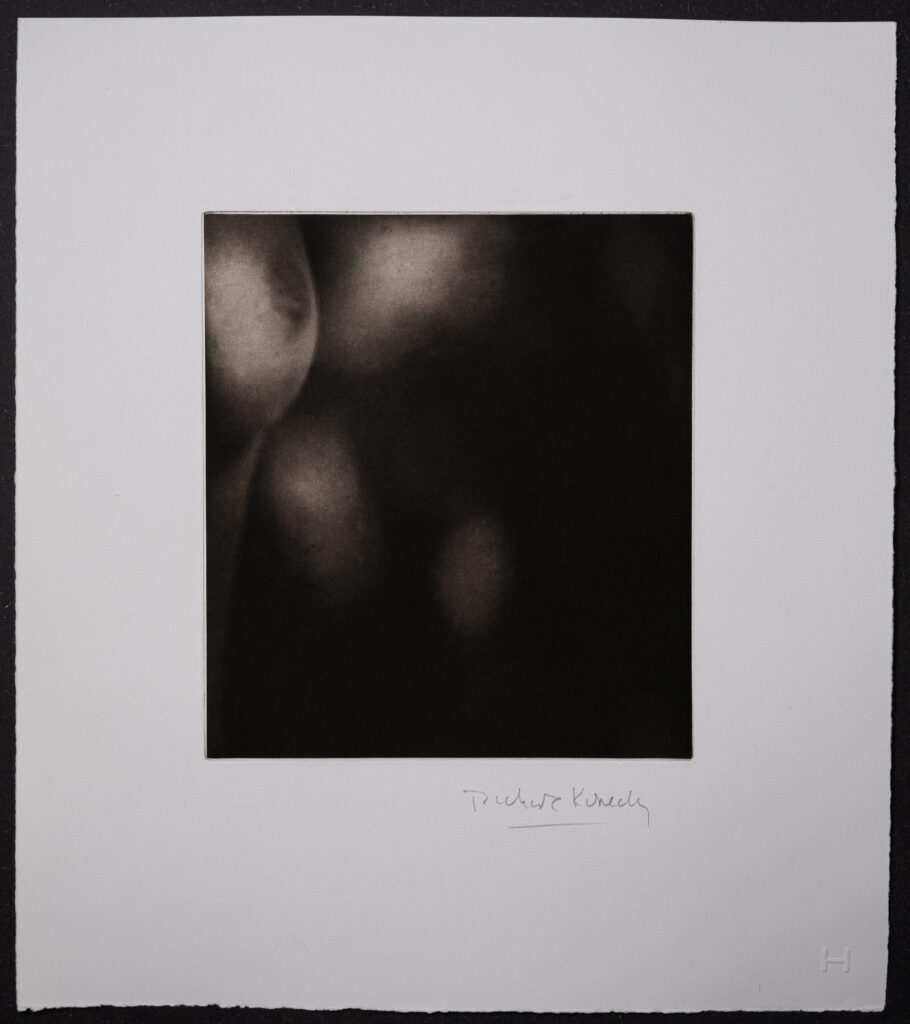
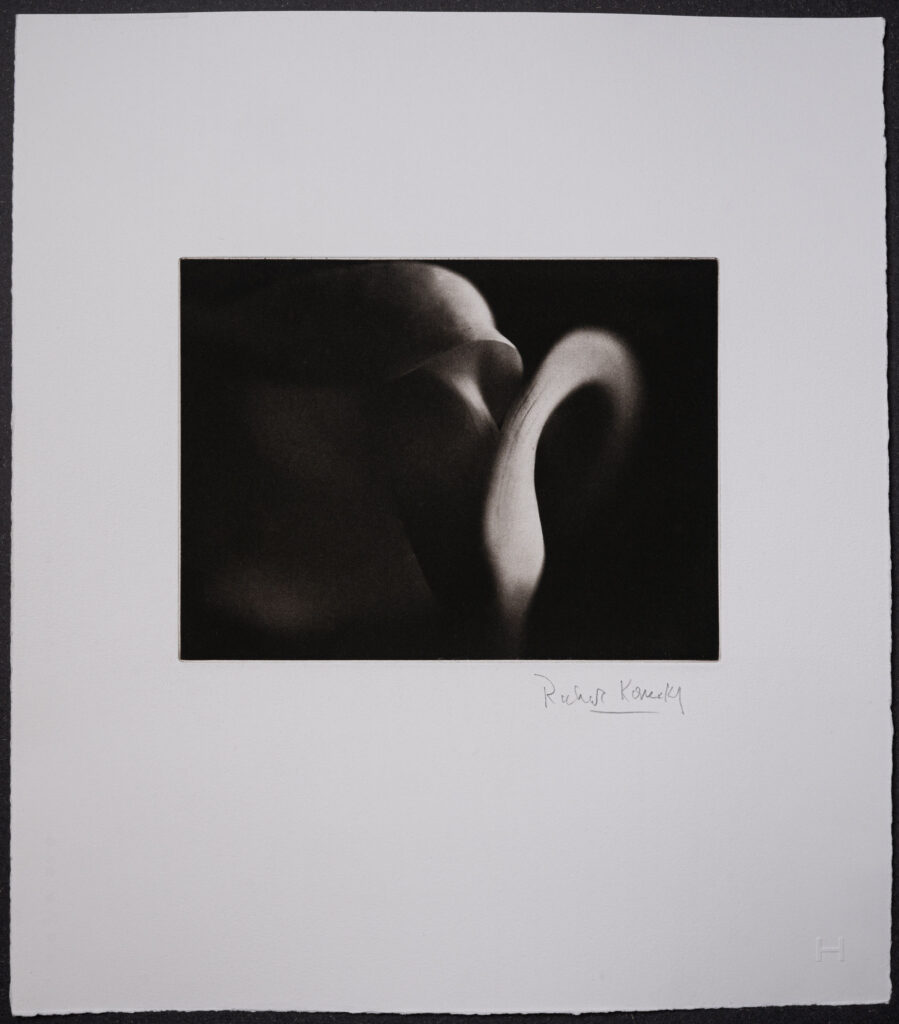
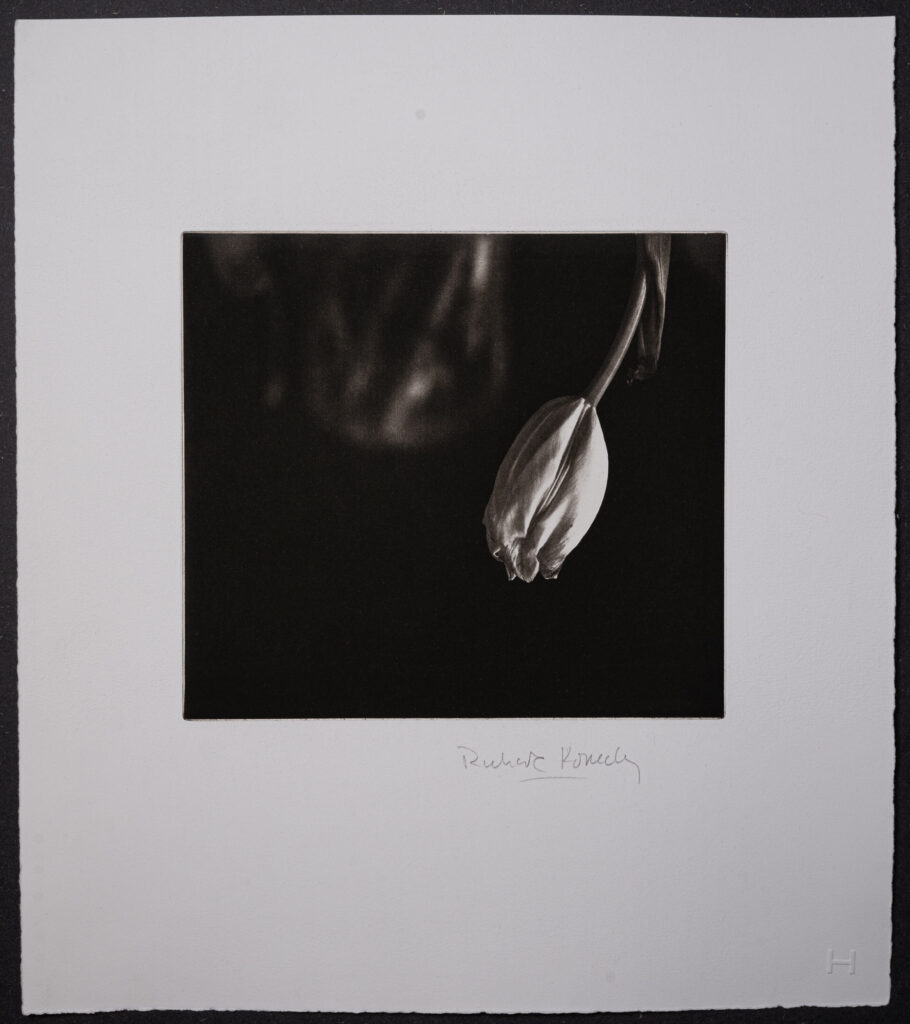
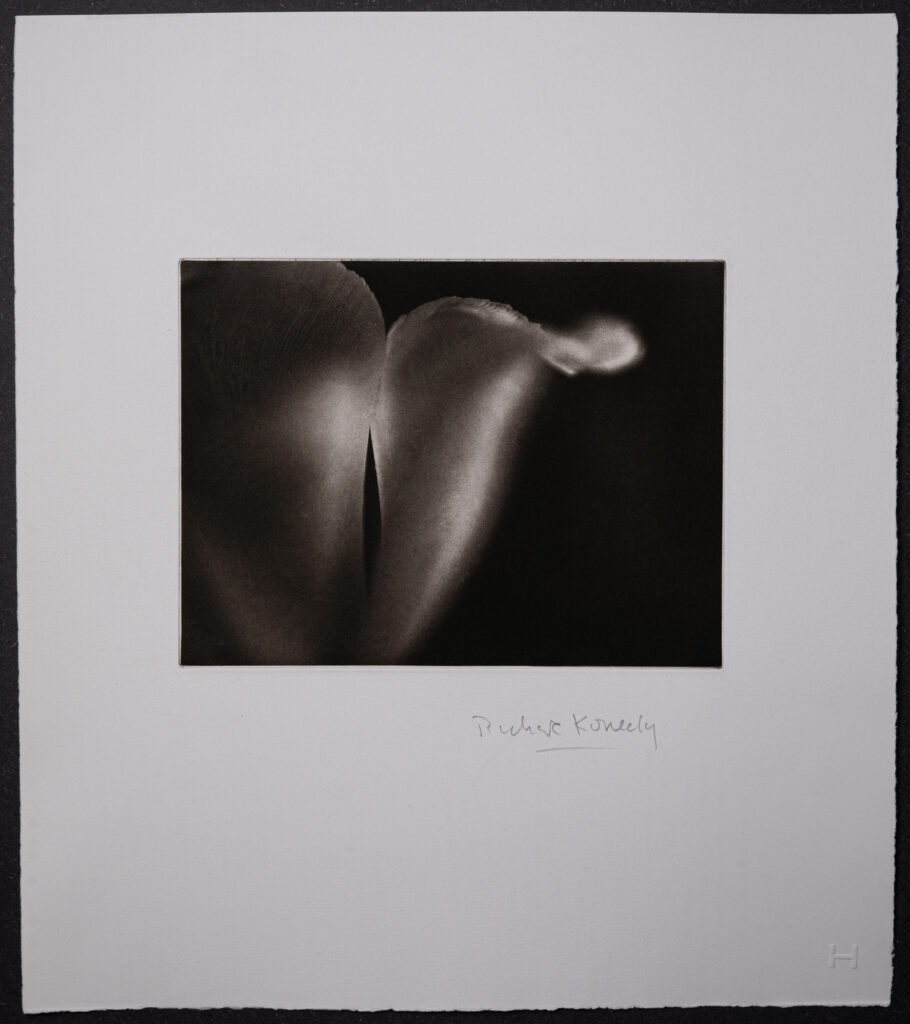
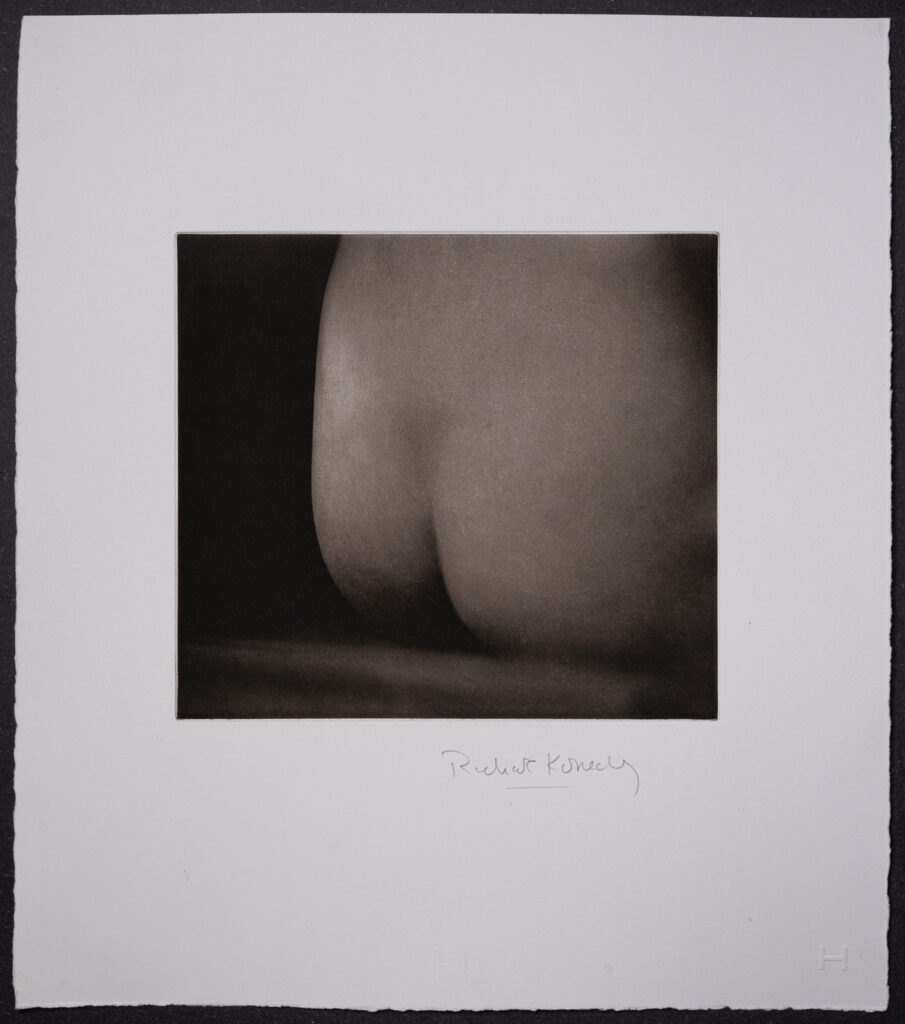
Diaphane
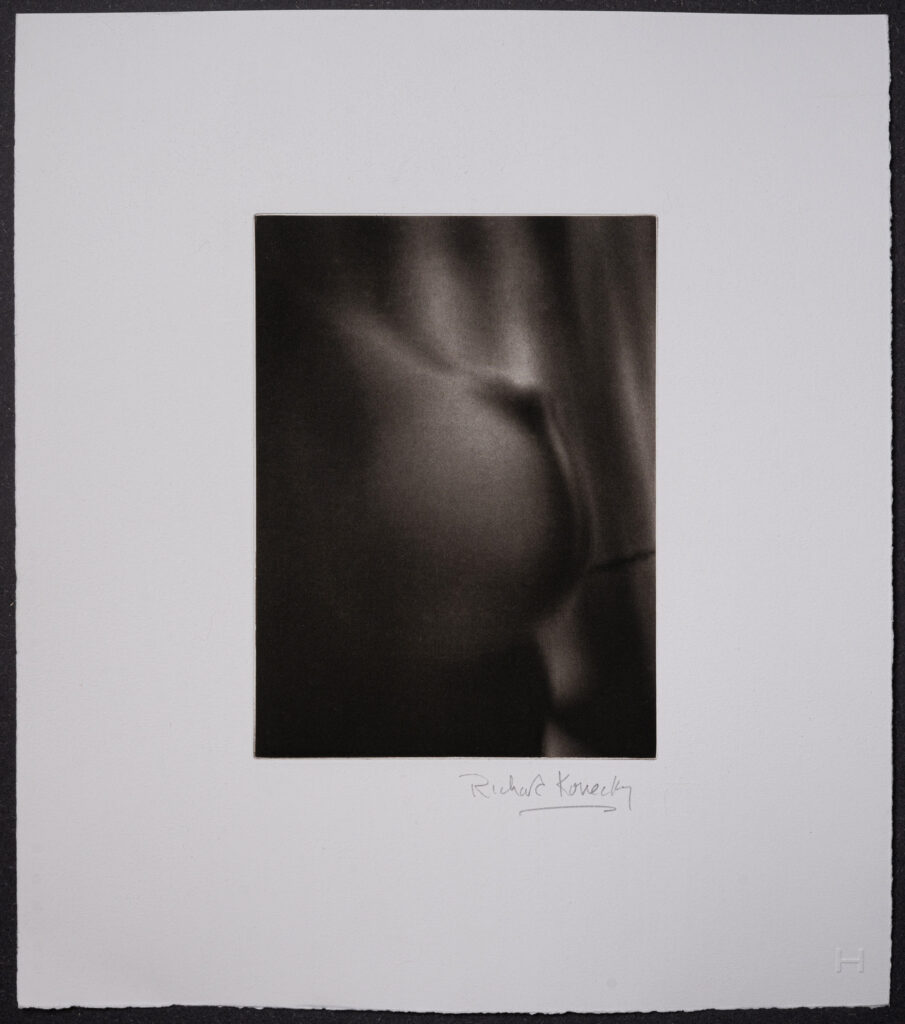
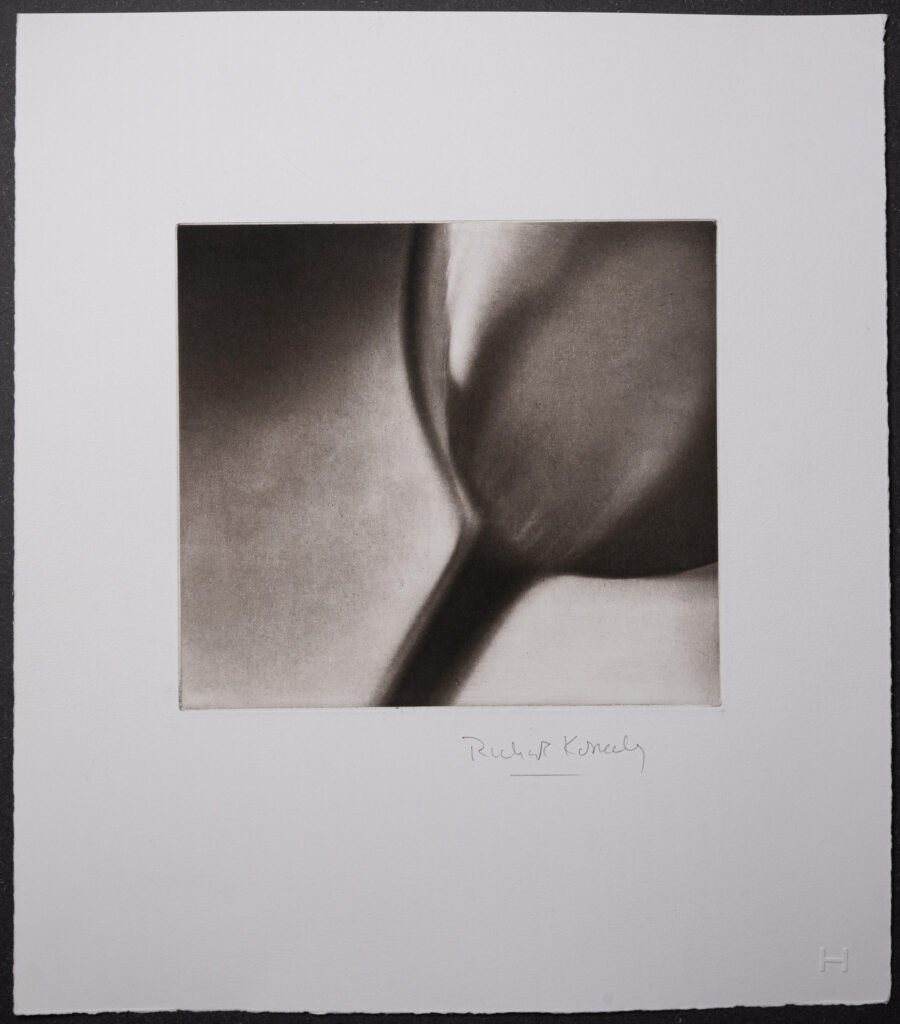
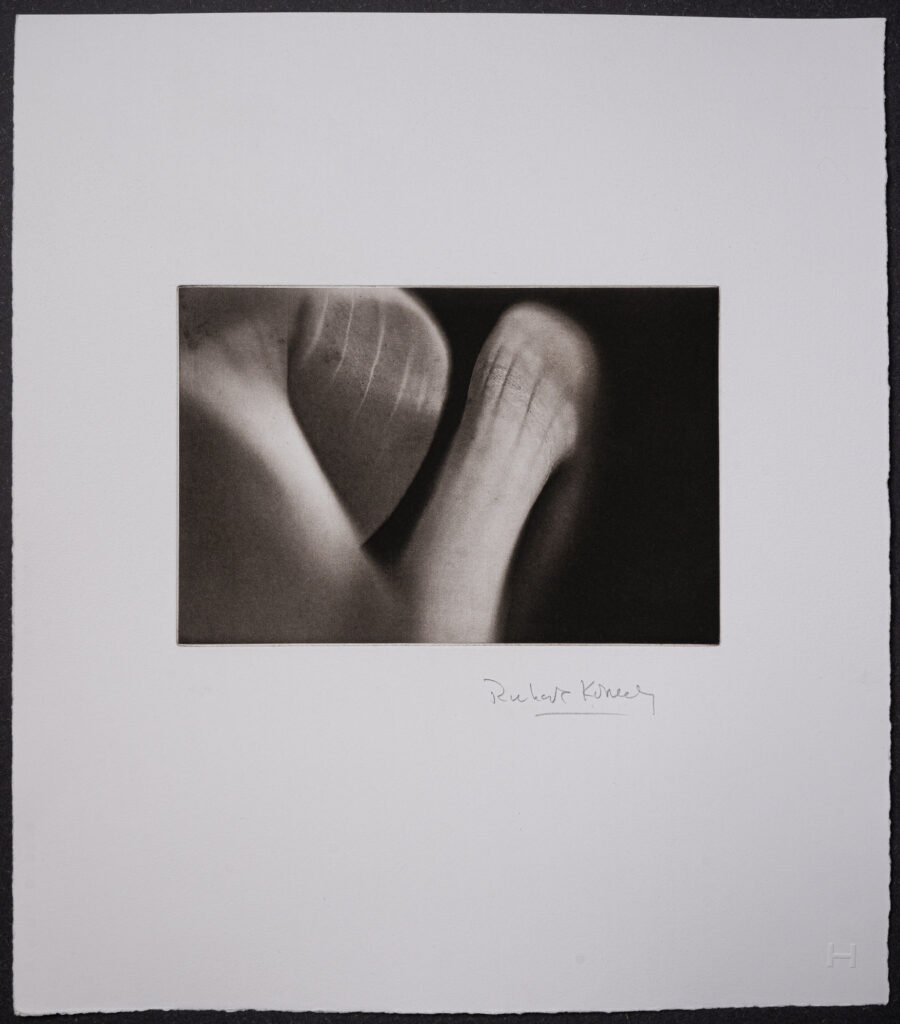
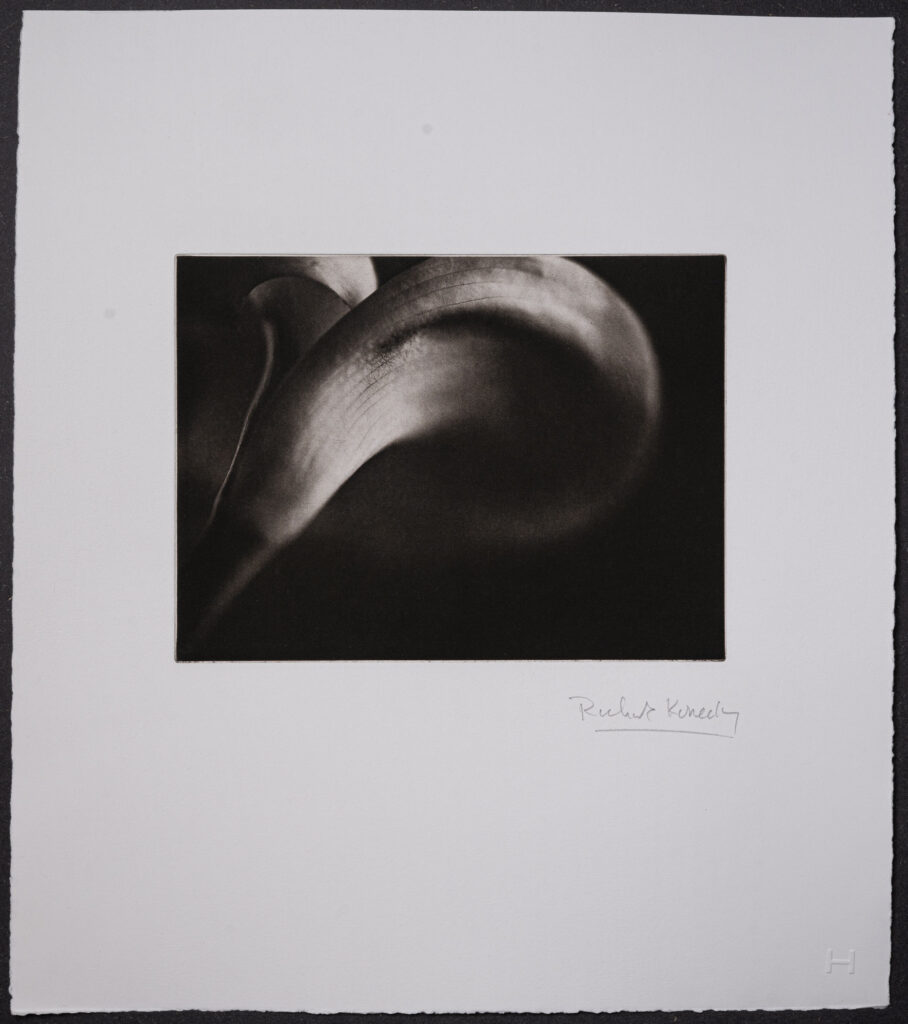
Richard Konecky has long been drawn to the abstraction of light and shadow that causes one to pause in its ambiguity, not quite sure of what is being seen, and to see ordinary objects in new and different ways. Creating images that sow confusion draw in the viewers holding their attention and making them look deeper. Images take on an otherworldly quality in the light beyond a curve or diving deeply getting lost in the shadows.
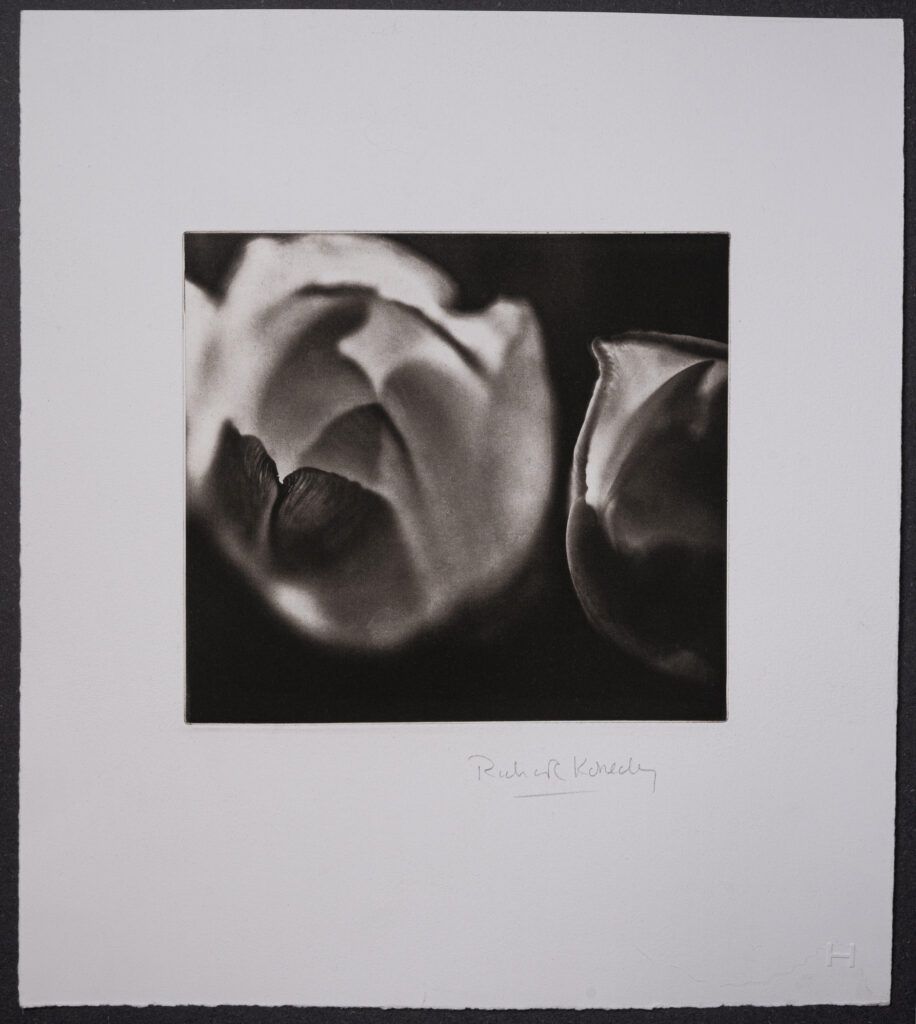
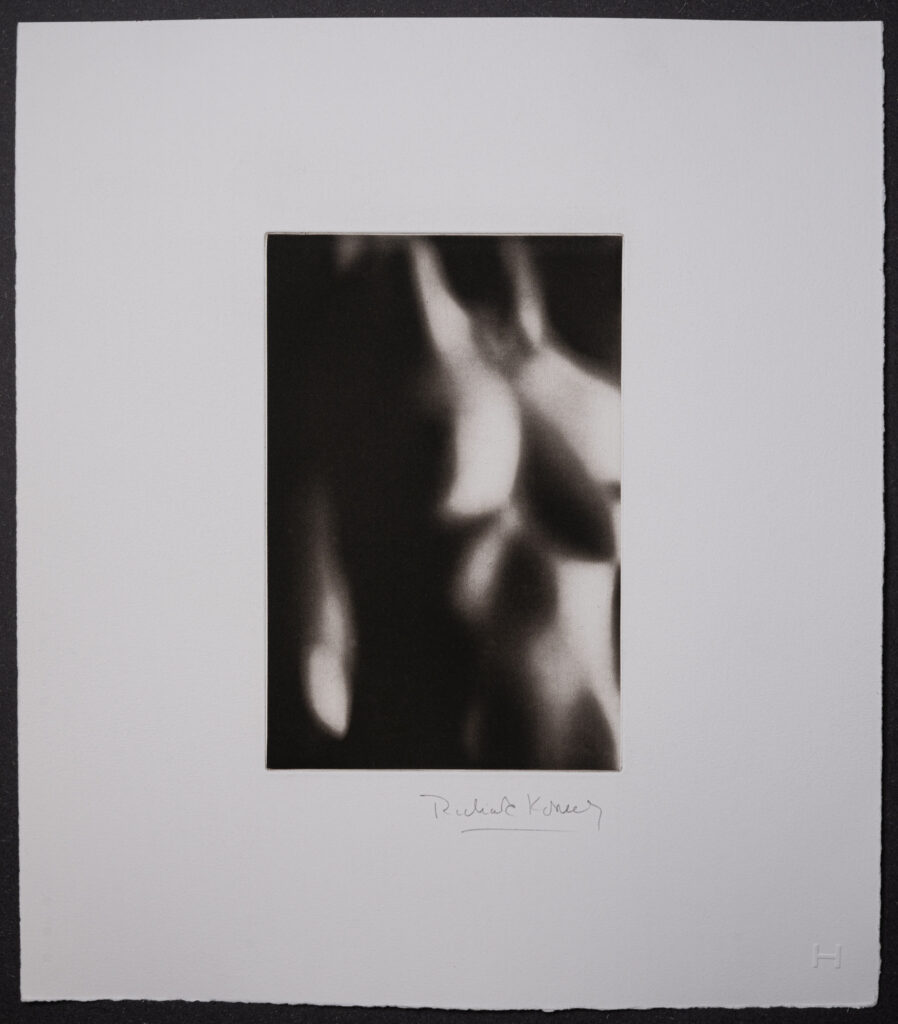
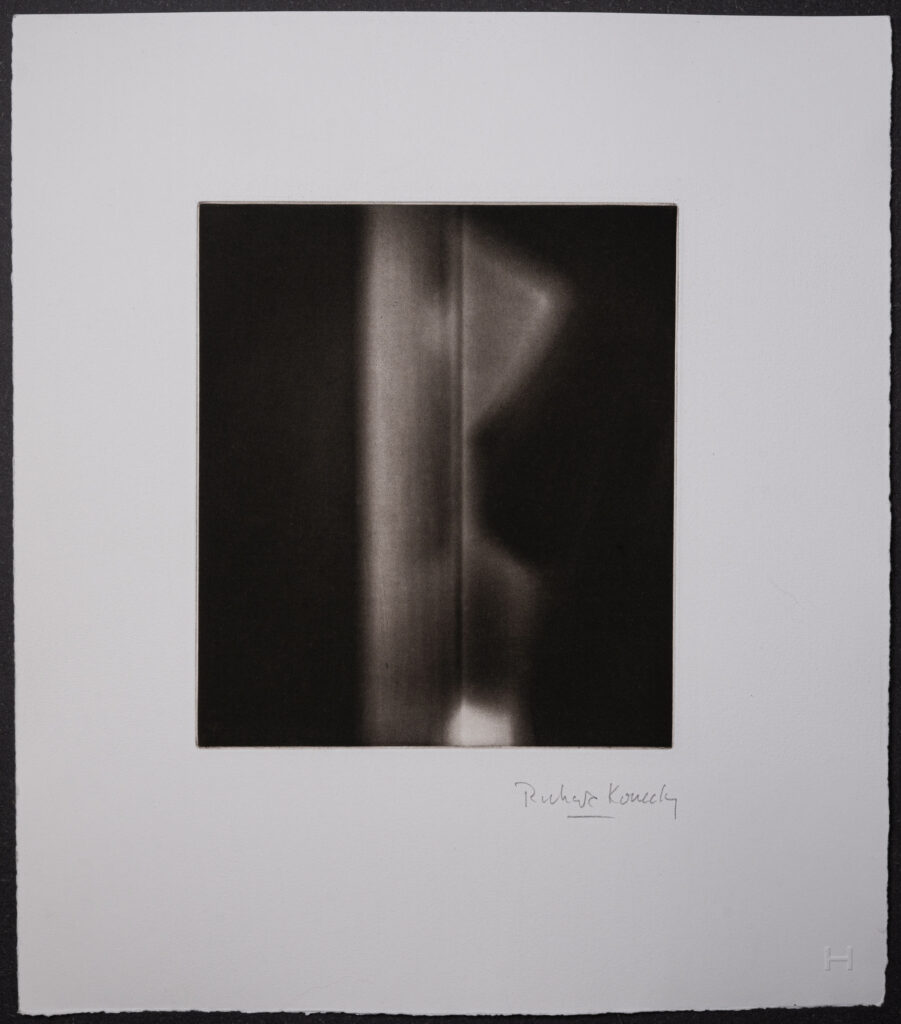
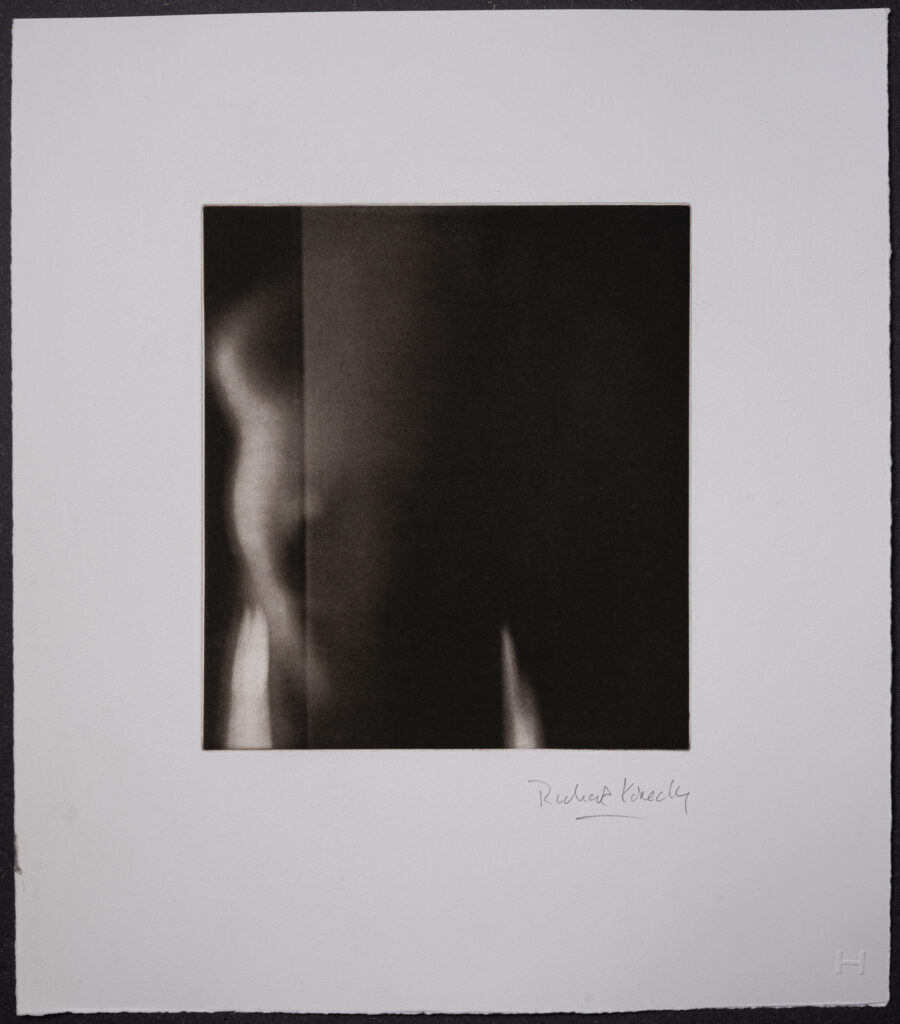
Diaphane represents a portfolio of twenty-four images, which through the abstraction of light, shadow and perspective, take flowers and the human form to a more mysterious, ambiguous and enlightening place. The curve of a shoulder becomes a desert sand dune, a lightening bolt dissolves into a subtle nude, and a tulip edge becomes a Japanese mountain landscape.
Diaphane was printed using the copperplate photogravure process. A source of inspiration was Steichen’s “In Memorium” of 1908, which also used this process. It is organic and tactile. There is a softness and depth to the paper and the ink. You feel it as much as see it.
Landscape Distilled
Richard Konecky’s Kenya photos are resonant of Paul Klee’s dictum “The intention is not to reflect the visible but to make visible.” The act of making visible, in this instance, is to delve into the reflected landscape and distil it to its very basic lines and shapes. By looking deeply, the reflected landscape becomes something else entirely.
This is what Richard Konecky sought to achieve in his landscapes of northern Kenya. At first glance, some will strike you as richly woven tapestries, soft and flowing watercolours or sensual abstractions with a painterly quality. Others might strike you as bolder, more colourful pieces of landscape, visual shards or sound bites. These images seek to change the way the landscape is seen and to strike an emotional chord.


