Tuck Muntarbhorn
“I seek to capture the essence of spirit in matter…through precise acts of creation, incision and illumination, I explore what it means to transform light into a vessel of the infinite.” – Tuck Muntarbhorn
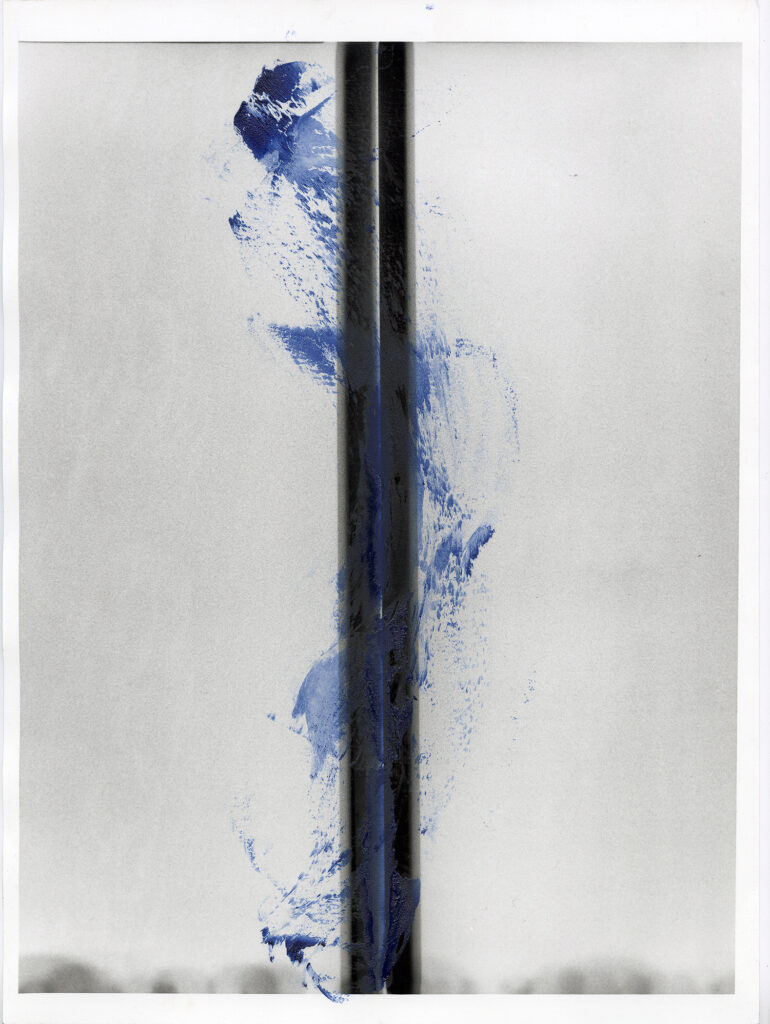
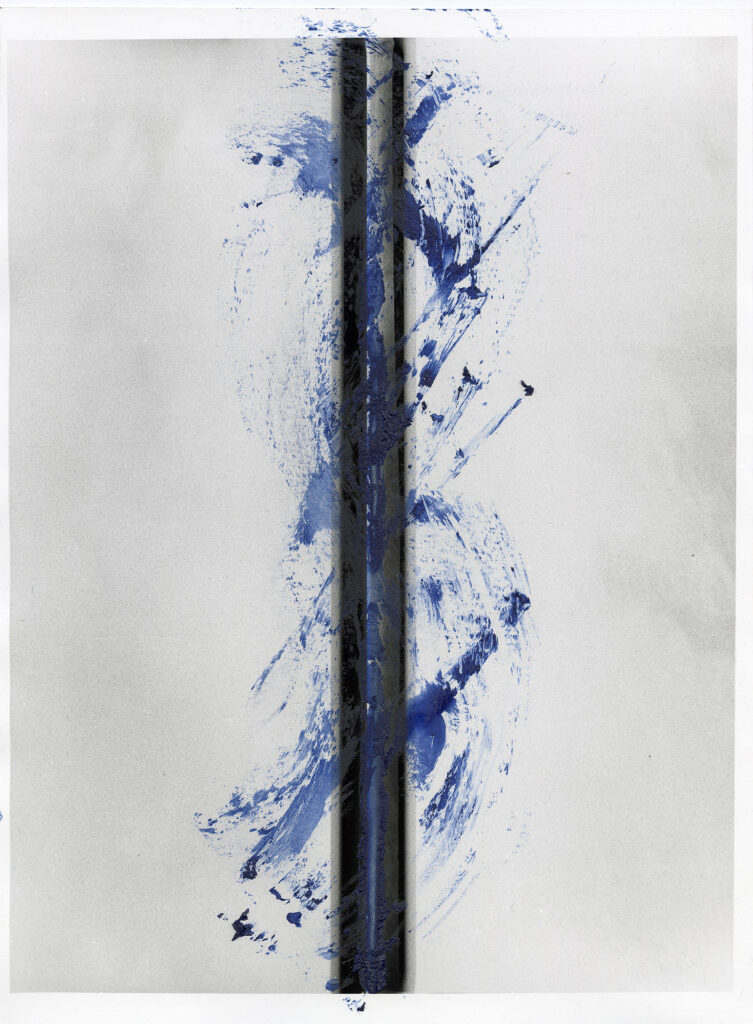
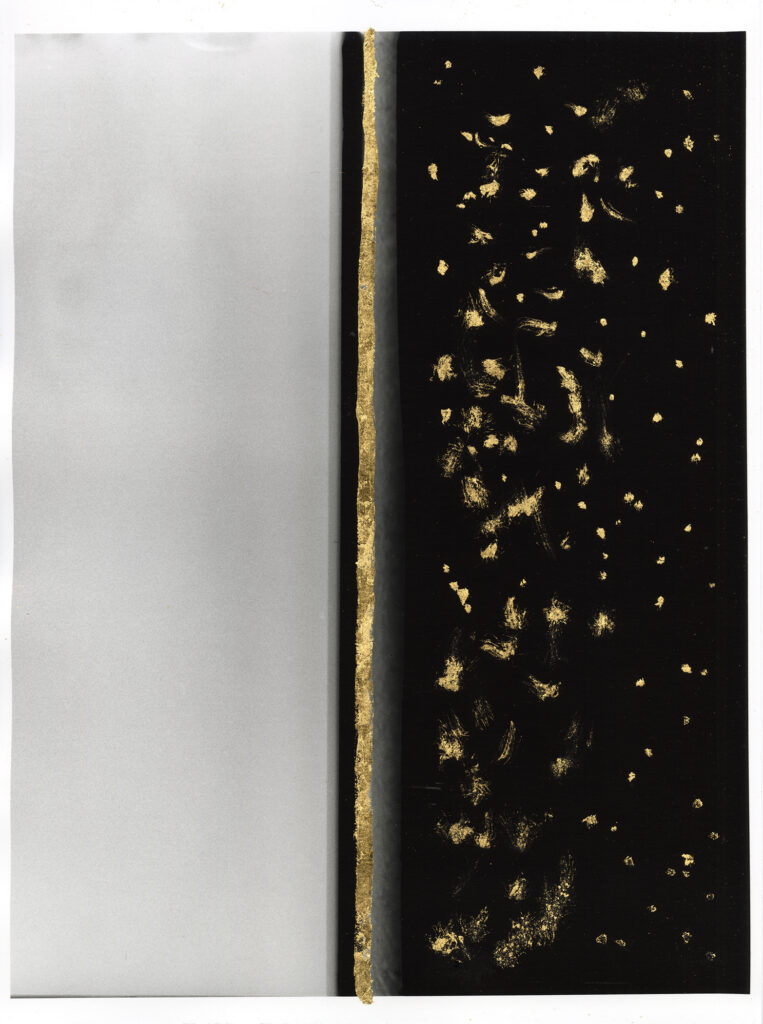
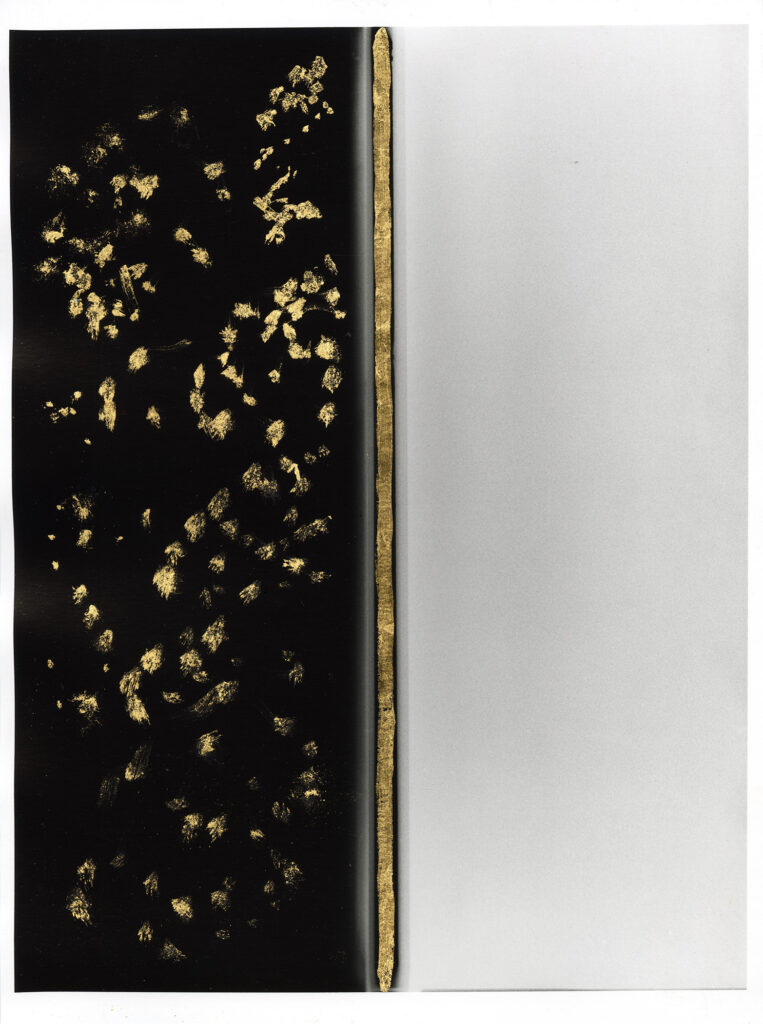
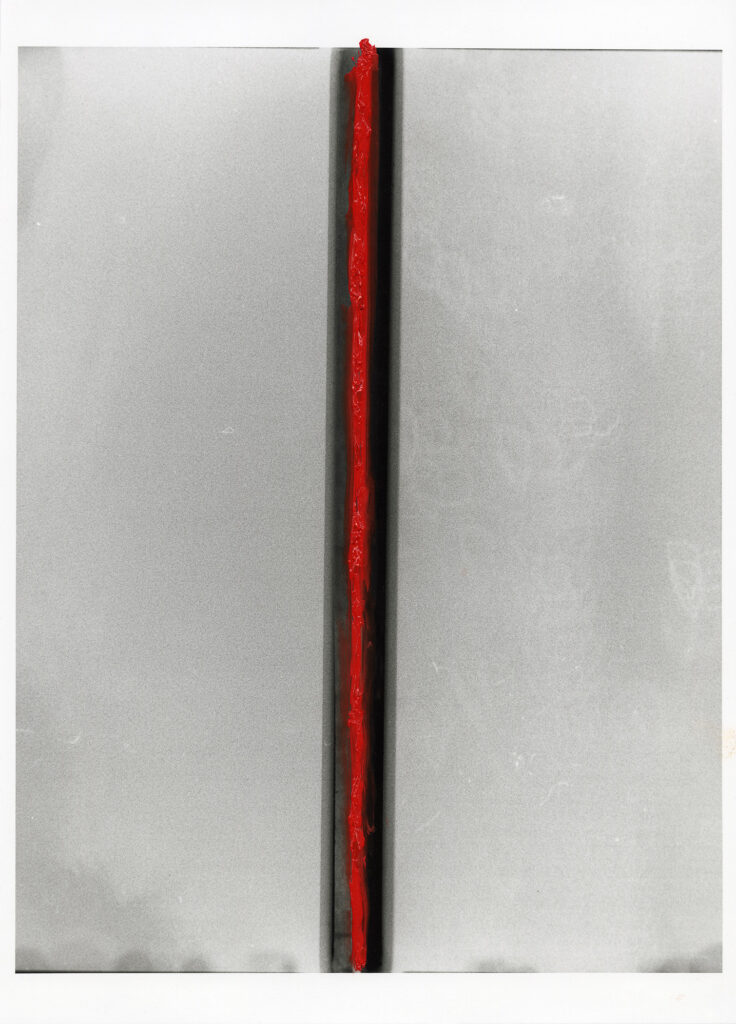
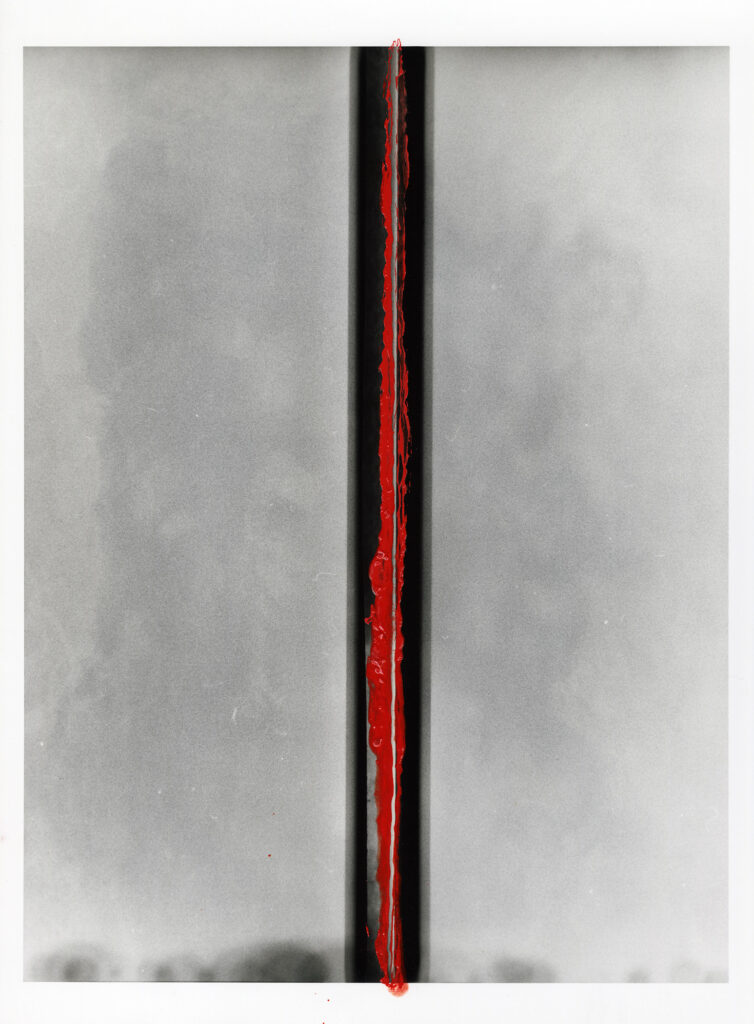
For a decade, Tuck Muntarbhorn’s oeuvre seamlessly intertwines the legacies of Abstract Expressionism with their own lineage of pioneering surgeons and fashion designers. Echoing the precision of their forebears – most notably a grandfather who was Thailand’s first open-heart surgeon and a father who innovatively applied endoscopic techniques to brain surgery – Muntarbhorn “performs surgery” on their photographs in their series “Surgical Landscapes”, using inherited surgical tools to cut or apply oil paint and 24-carat gold leaf. Their cadmium red incisions echo the spiritual intensity of Barnett Newman’s zips, while blue lapis lazuli paint nods to the healing aura of Piero della Francesca’s ‘Madonna del Parto’ (c. 1457), inviting the viewer into a transcendent space where wounds are both opened and healed. Muntarbhorn deepens this exploration by cutting into the photograph with a surgeon’s scalpel, in homage to Fontana’s spatial slashes. Behind the incision is a piece of Thai silk from their mother’s fashion atelier, forging a personal ink to both a medical and fashion lineage.
Their work remains a compelling dialogue between the traditions of art and medicine, pushing the boundaries of how we experience healing, transformation, and the unseen realms of “infinite consciousness”.
Waterlilies
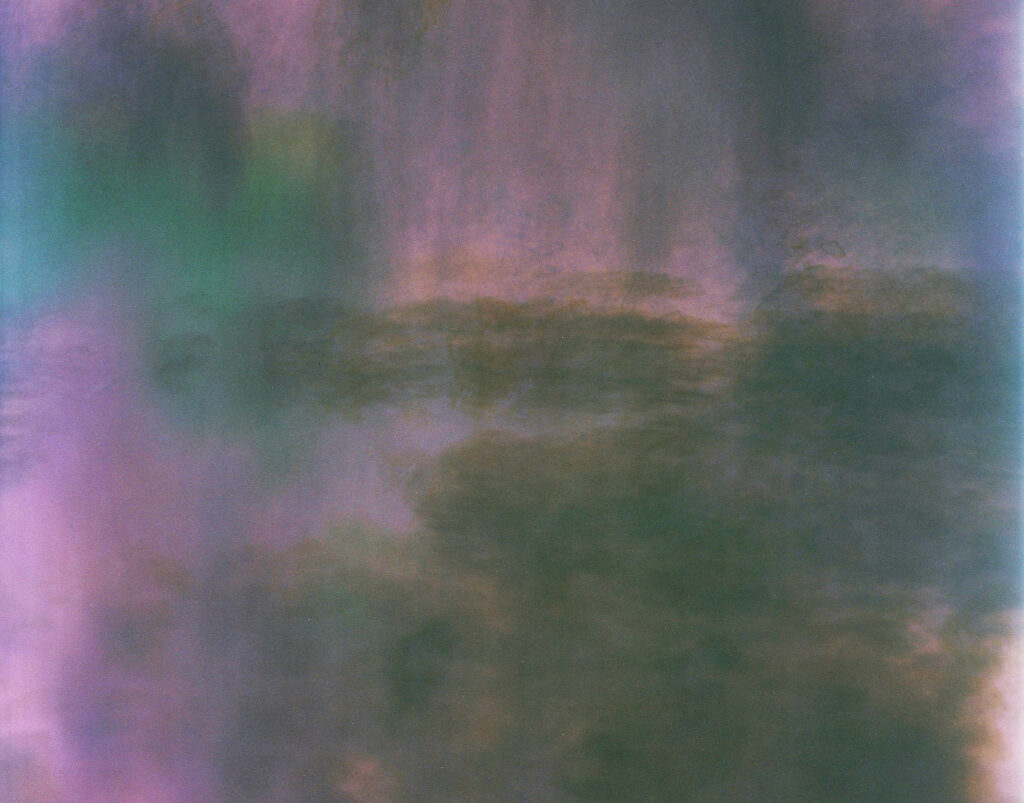
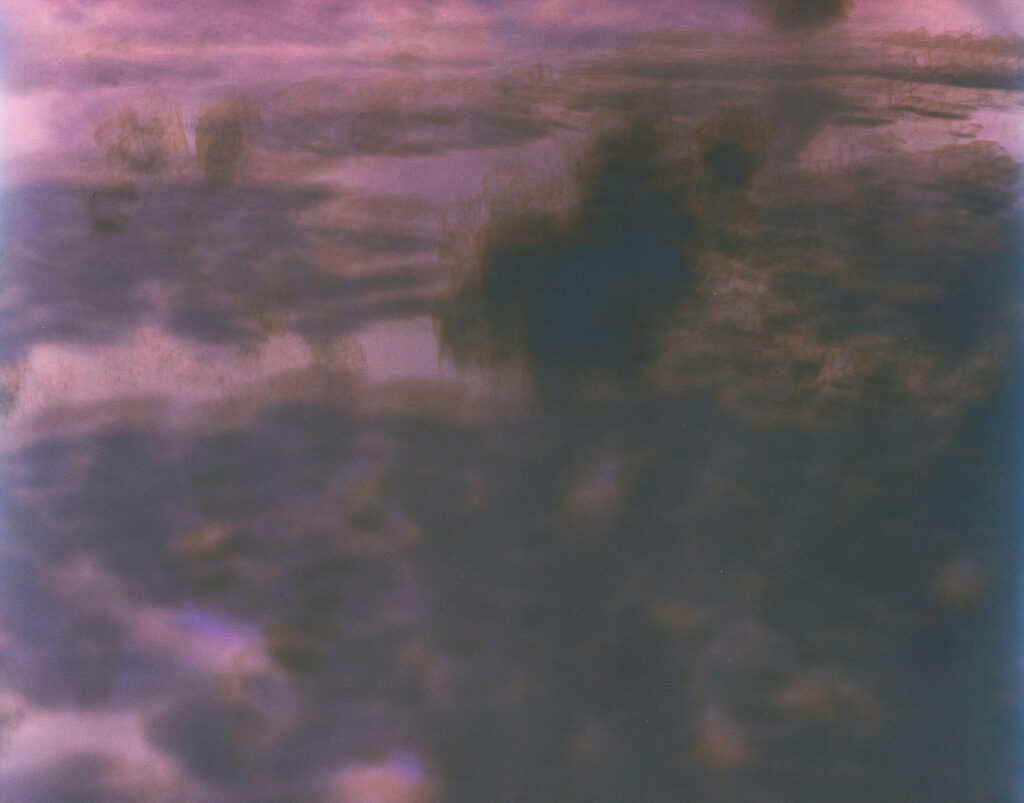
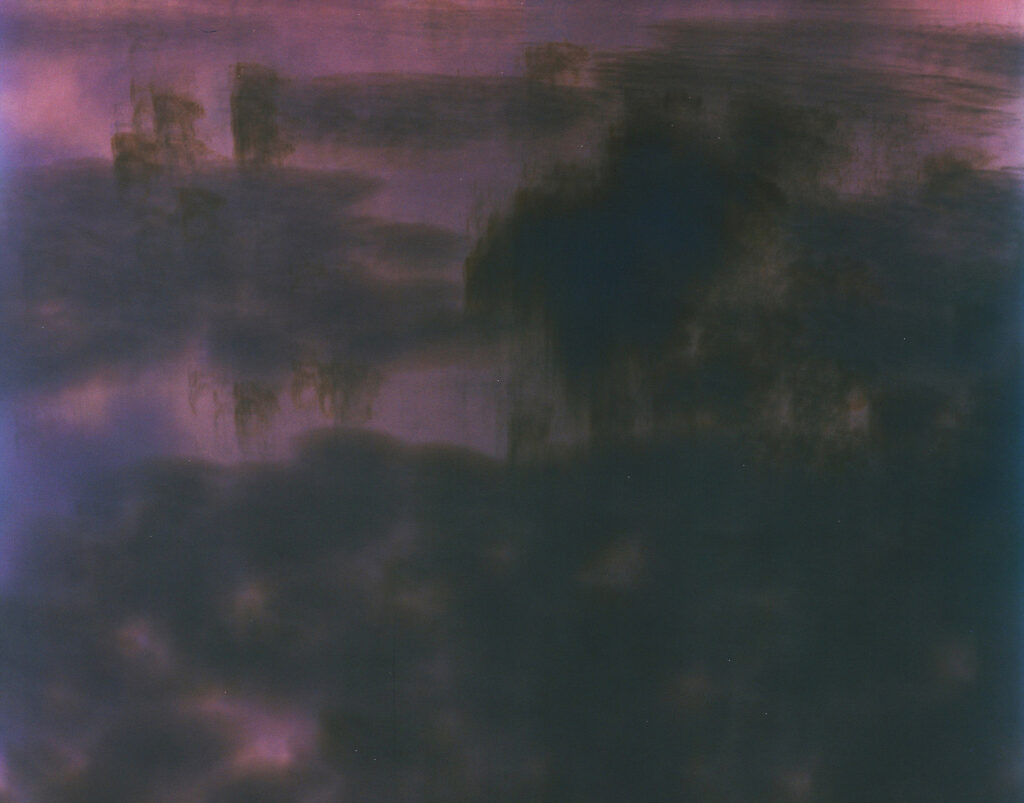
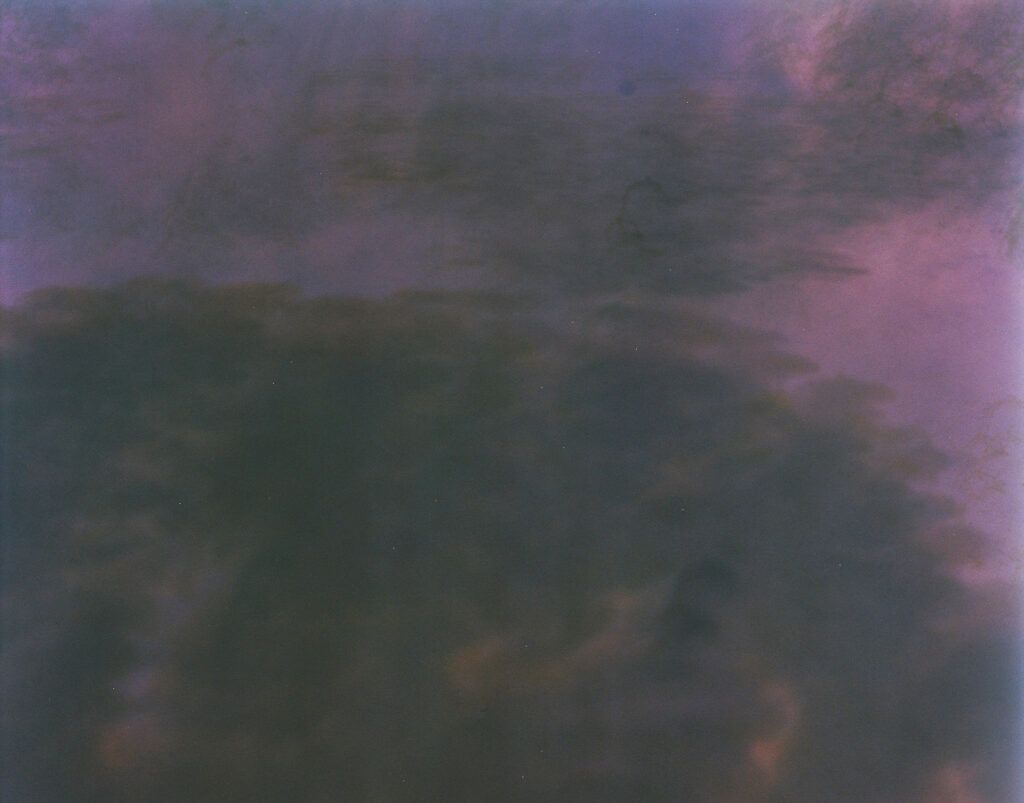
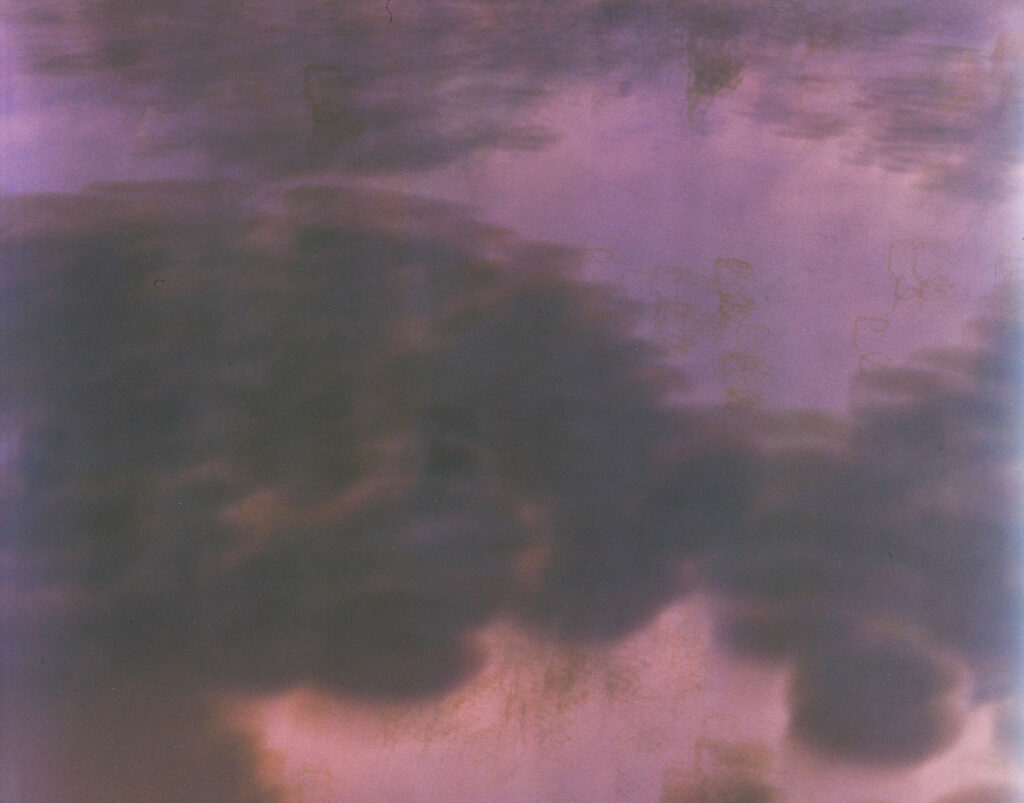
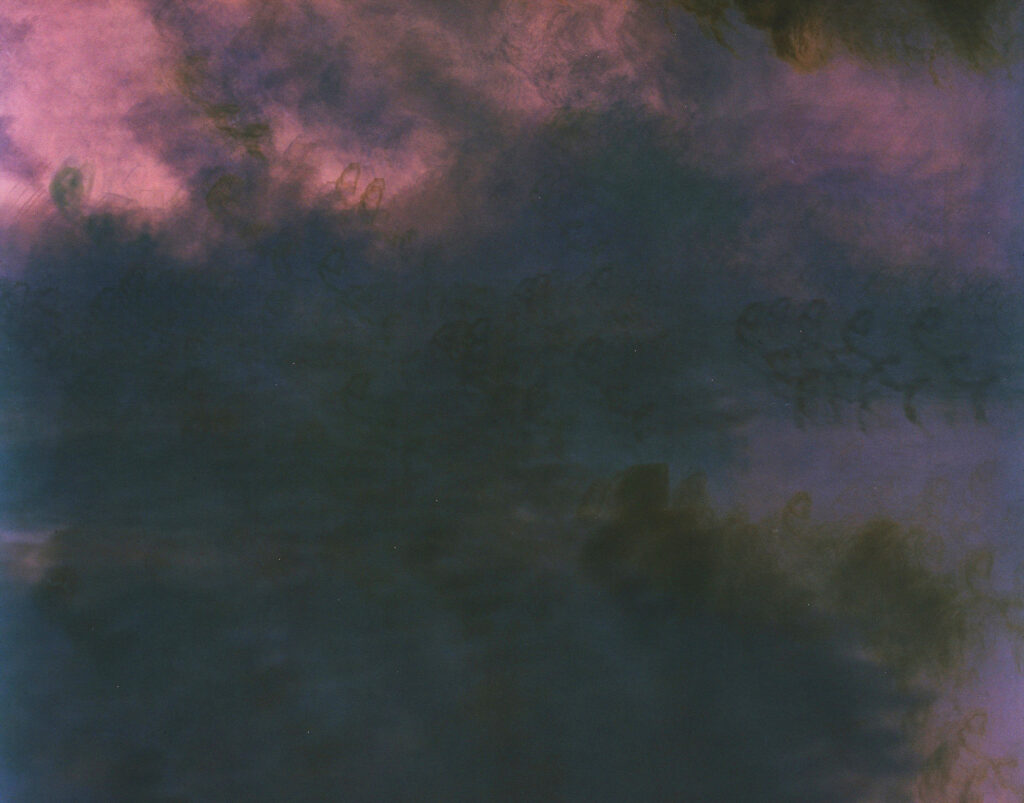
In Waterlilies, Tuck Muntarbhorn returns to the sacred water garden – both as a site of mythic beauty and a mirror for spiritual consciousness. Shot entirely on analogue film at Claude Monet’s gardens in Giverny, the series reimagines one of the most iconic motifs in art history through a lens shaped by Buddhist philosophy and the metaphysical power of light.
Surgical Landscapes
Muntarbhorn’s practice further extends into painting, particularly in the 'Red Spine', Blue Spine ' and Gold Spine series, where gelatin silver prints are transformed into painterly canvases. Muntarbhorn applies oil paint onto the gelatin silver prints – a gesture inspired by Barnett Newman's 'Onement I' (1948) and Lucio Fontana's iconic spatial slashes. Using inherited surgical tools alongside a palette knife, "surgery is performed" on the photograph, making each incision a deliberate act of creation and reflection. This practice mirrors Muntarbhorn's grandfather’s life-extending surgeries, encapsulating the artist’s desire to extend life and medical connections through their work.