Albumen Gallery
Daniel Holfeld
Daniel Holfeld’s practice explores architecture as a psychological, cultural and historical space, using long-term photographic projects to examine how the built environment shapes perception, memory, identity and human experience.
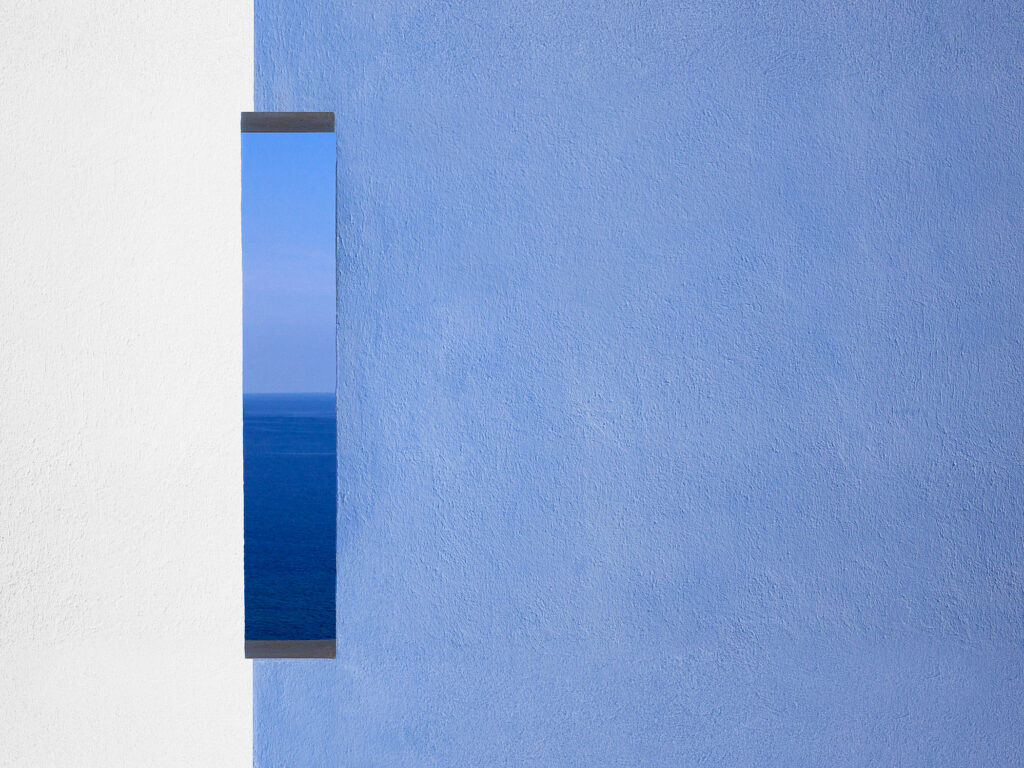
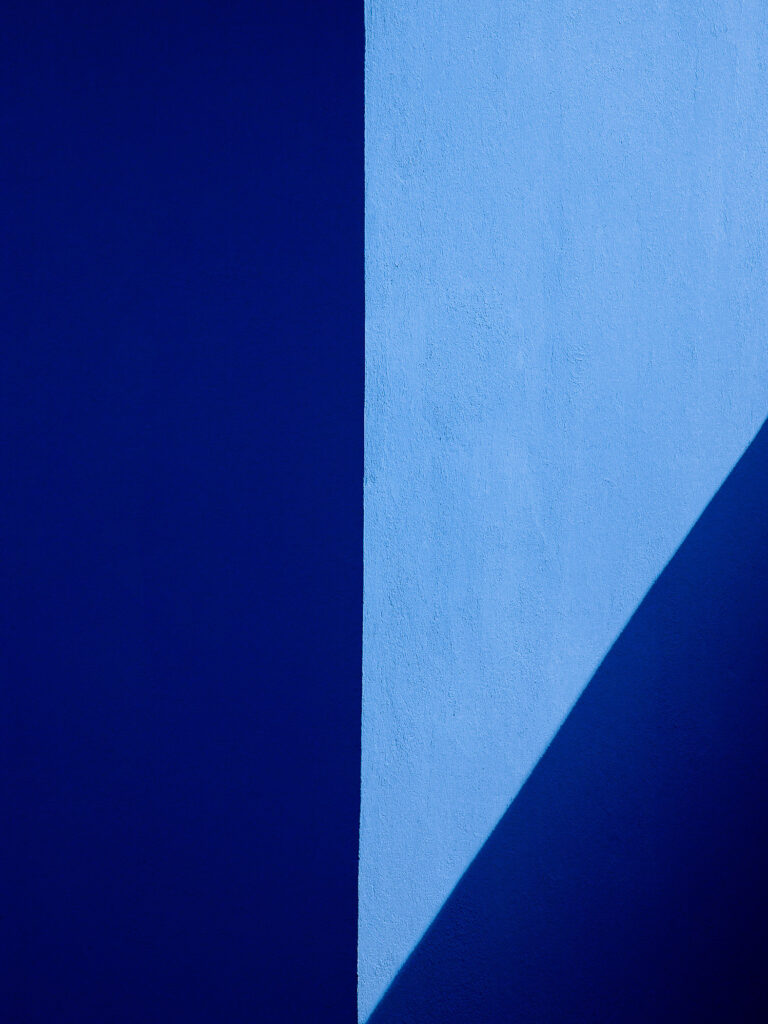
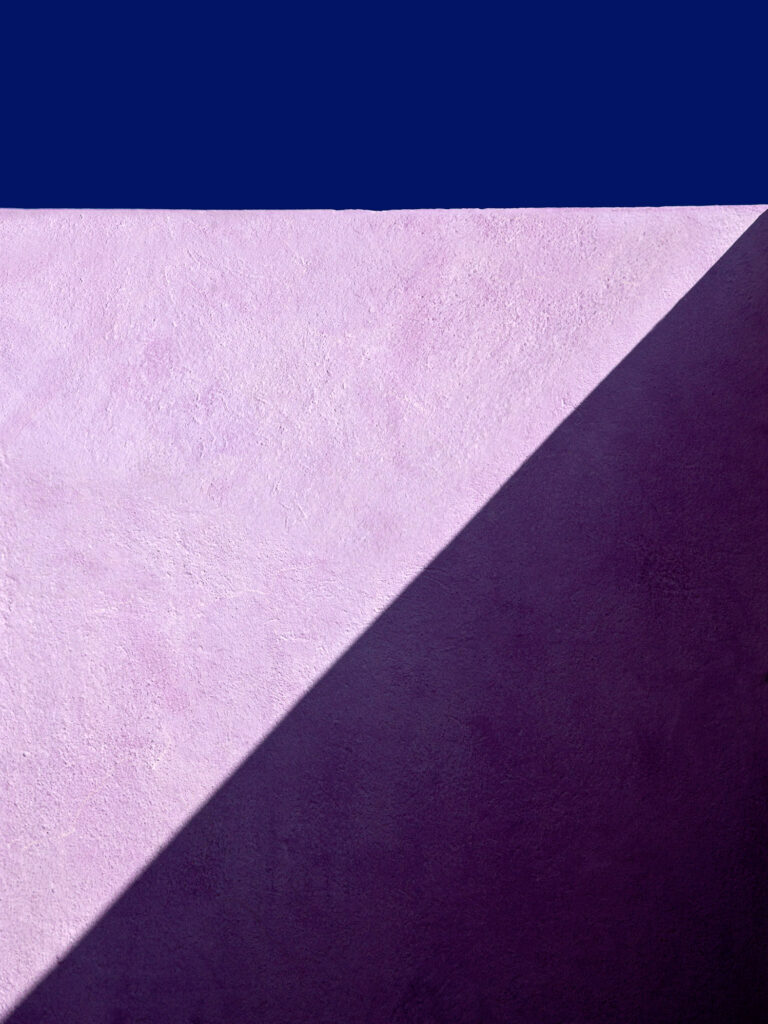
Rather than documenting architecture as static form, Holfeld interprets it through precise framing, geometry, colour and light. Transforming surfaces, structures and spatial relationships into abstract compositions, his photographs invite viewers to reconsider how architecture is perceived and experienced.
Daniel Holfeld lives and works in Dublin.
Poetics of Home
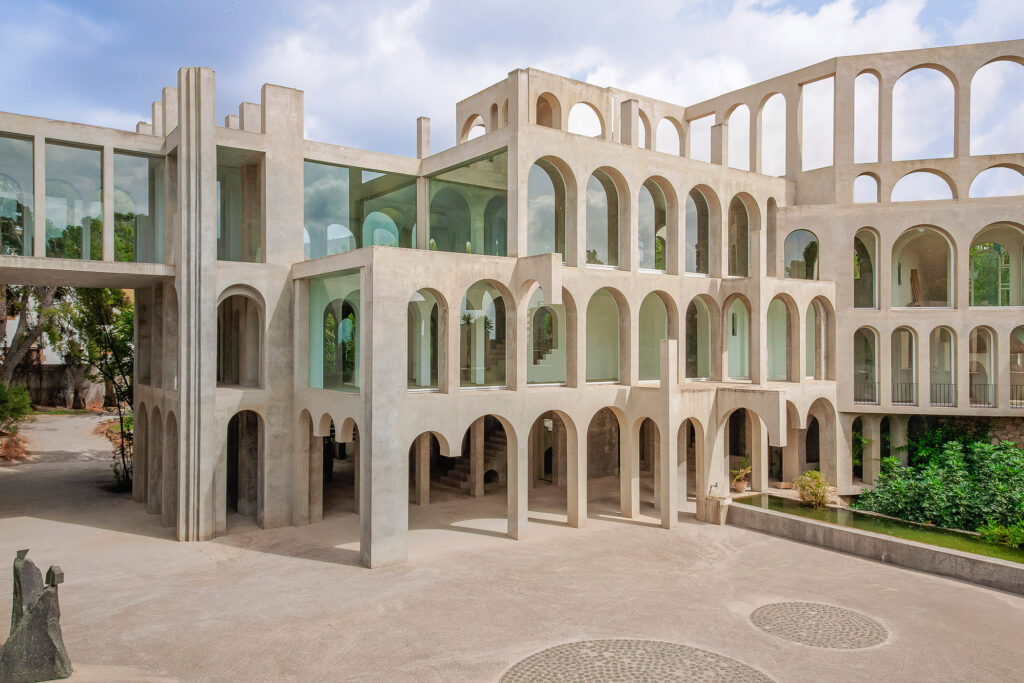
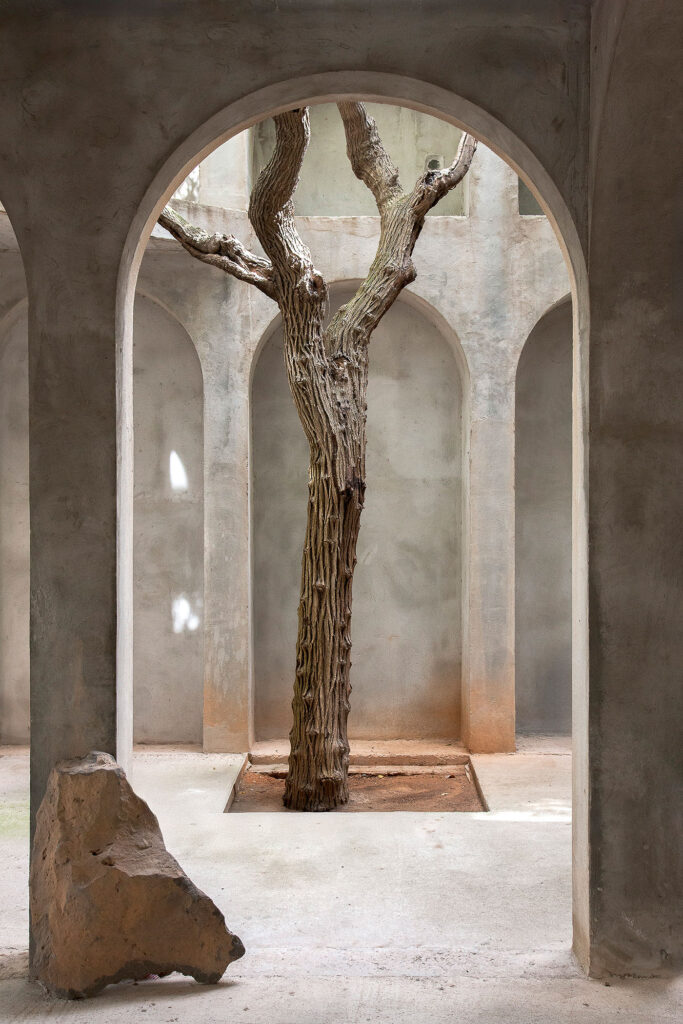
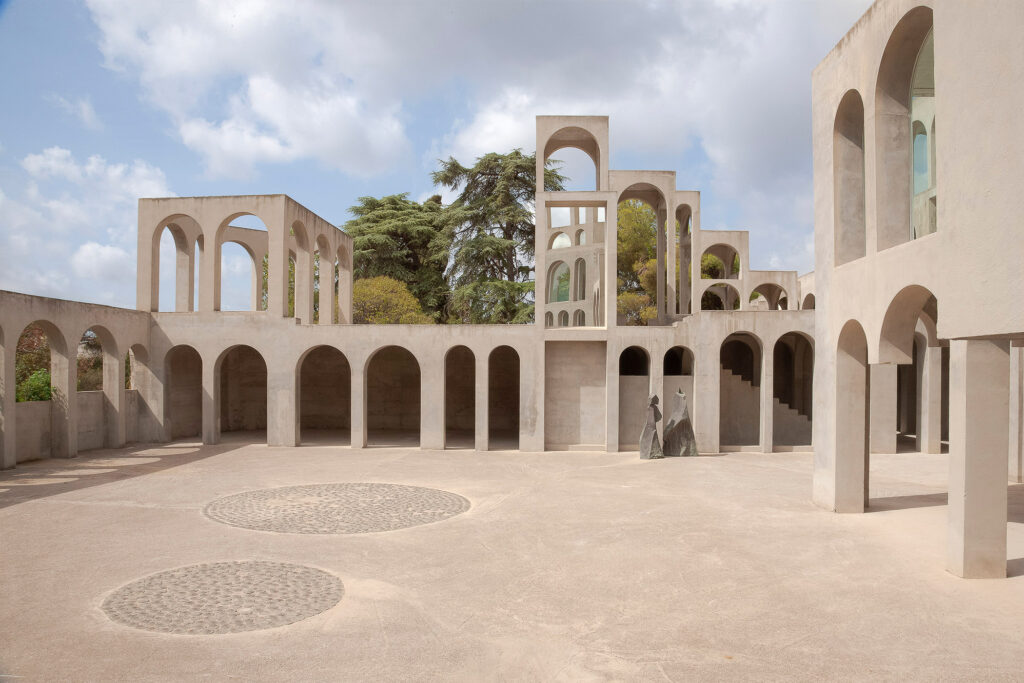
Can Cargol was the historic farmhouse in Esplugues de Llobregat, near Barcelona, that Catalan sculptor Xavier Corberó bought in 1968–69 and transformed into the seed of his lifelong architectural-artistic project, Espai Corberó. It became his home, studio, sculpture environment, and a refuge for visiting artists.
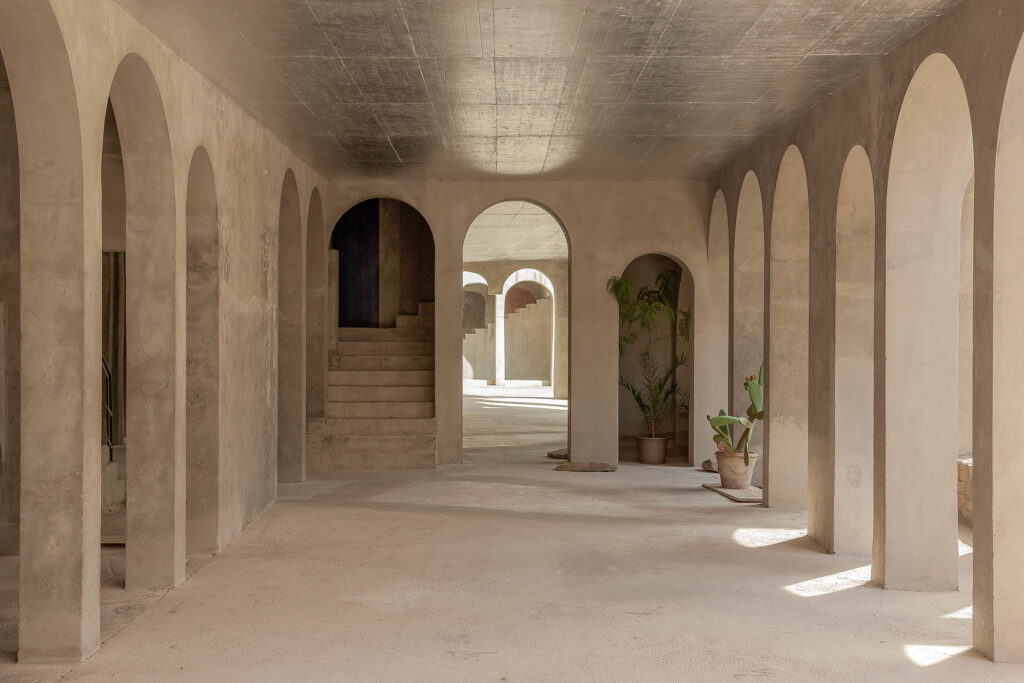
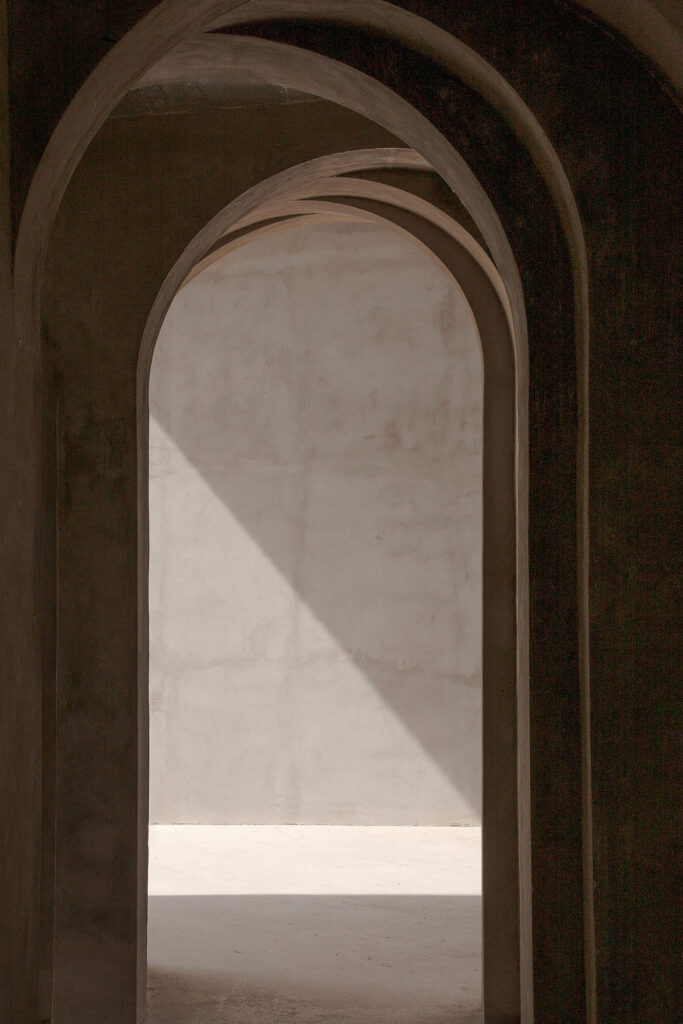
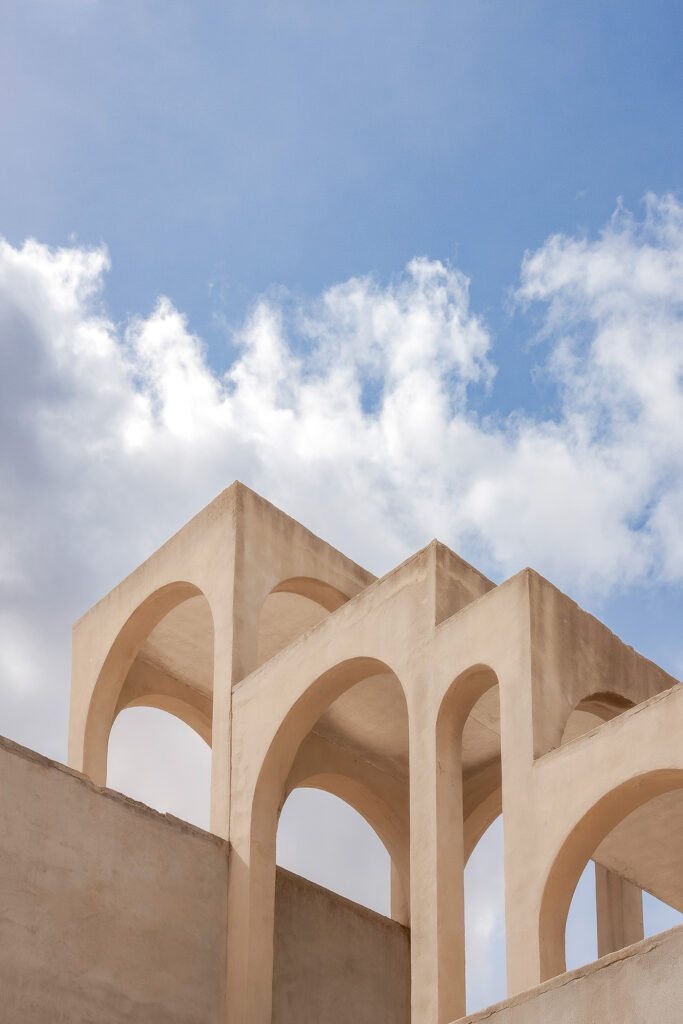
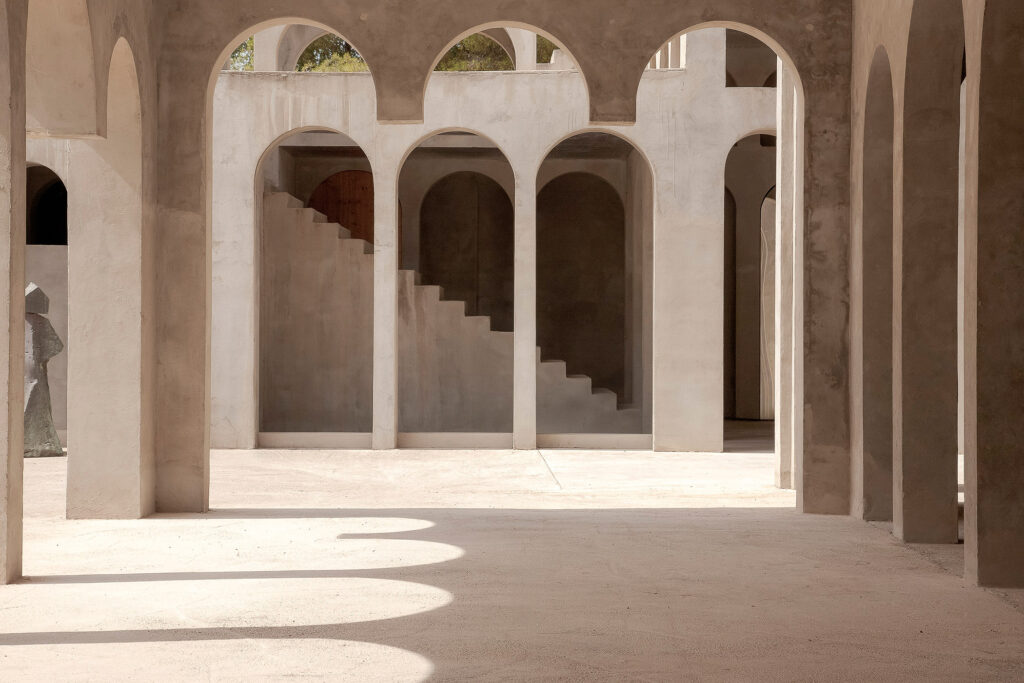
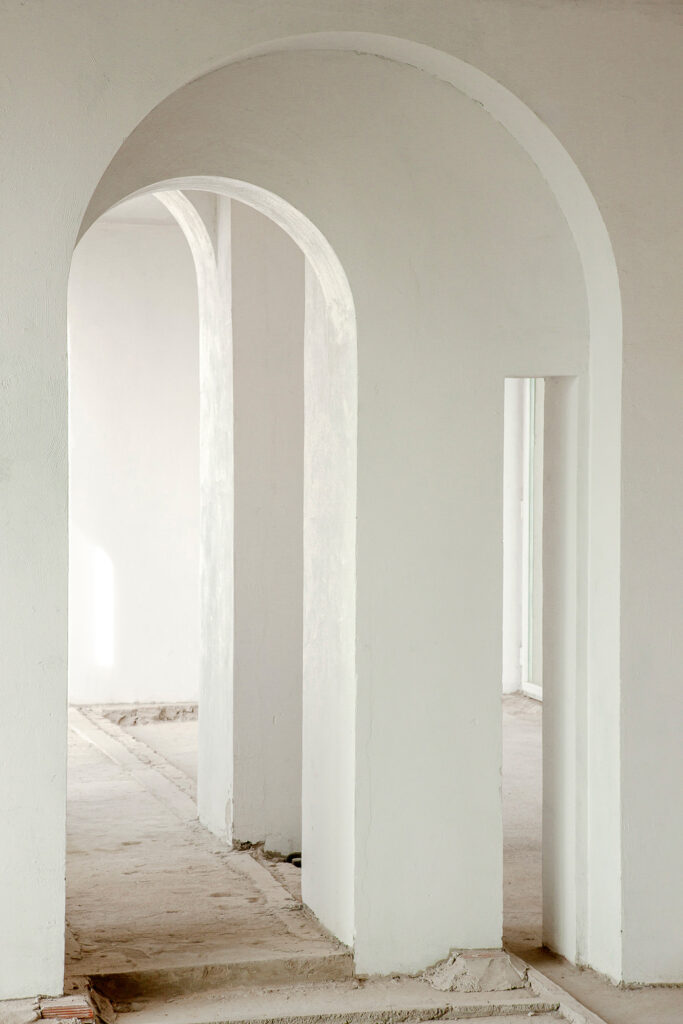
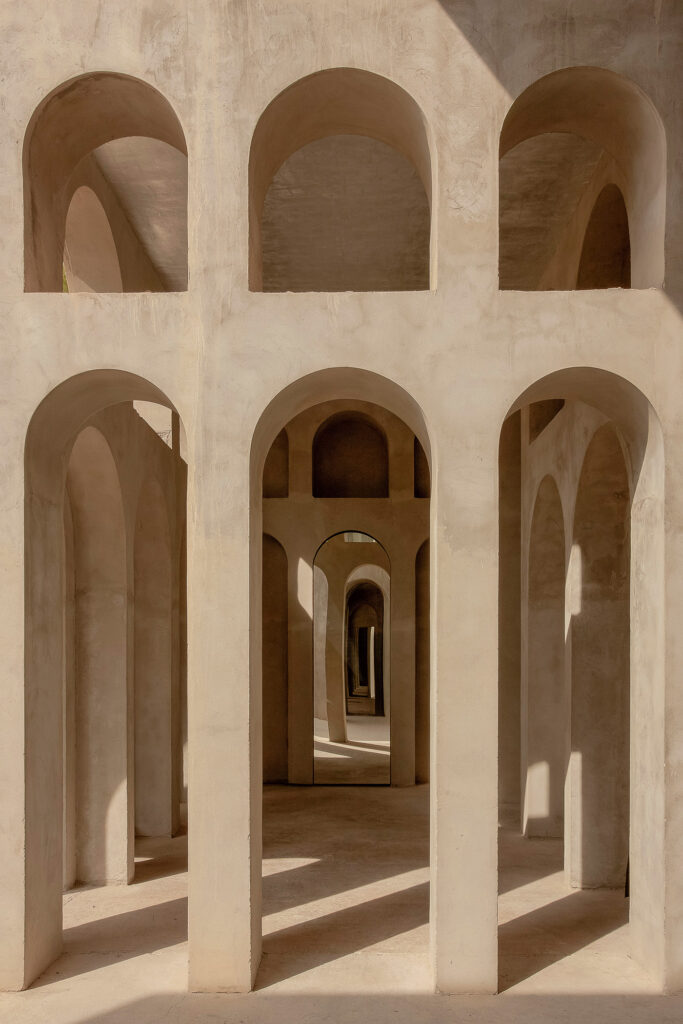
Rather than documenting the residence as architecture, Daniel Holfeld approaches it as an artwork in its ownright. His photographs isolate its repeating arches, passages, stairways, light and shadow, transformingarchitectural thresholds into abstract compositions that suggest movement, passage and transcendence.
The recurring arch becomes a visual threshold between spaces and states of being, reflecting Holfeld’s wider interest in architecture as an emotional and psychological experience rather than a static object.
Through an instinctive, painterly approach, The Poetics of Home reveals a more intimate reading of Corberó’s vision: a home not simply as a place of habitation, but as a space of imagination, memory andpossibility.
Conveying Space
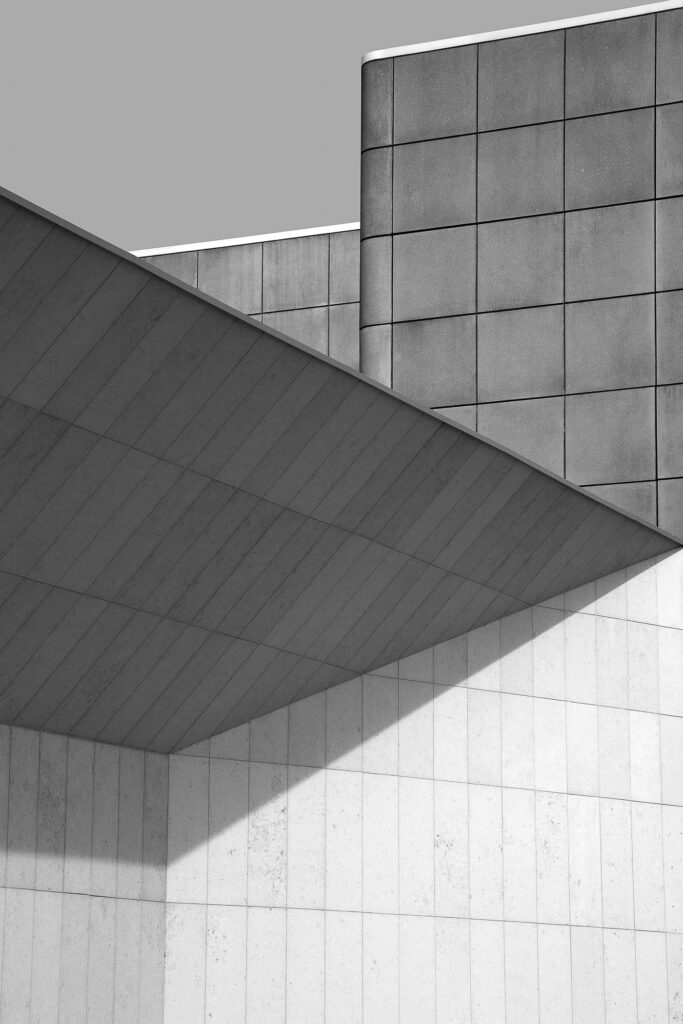
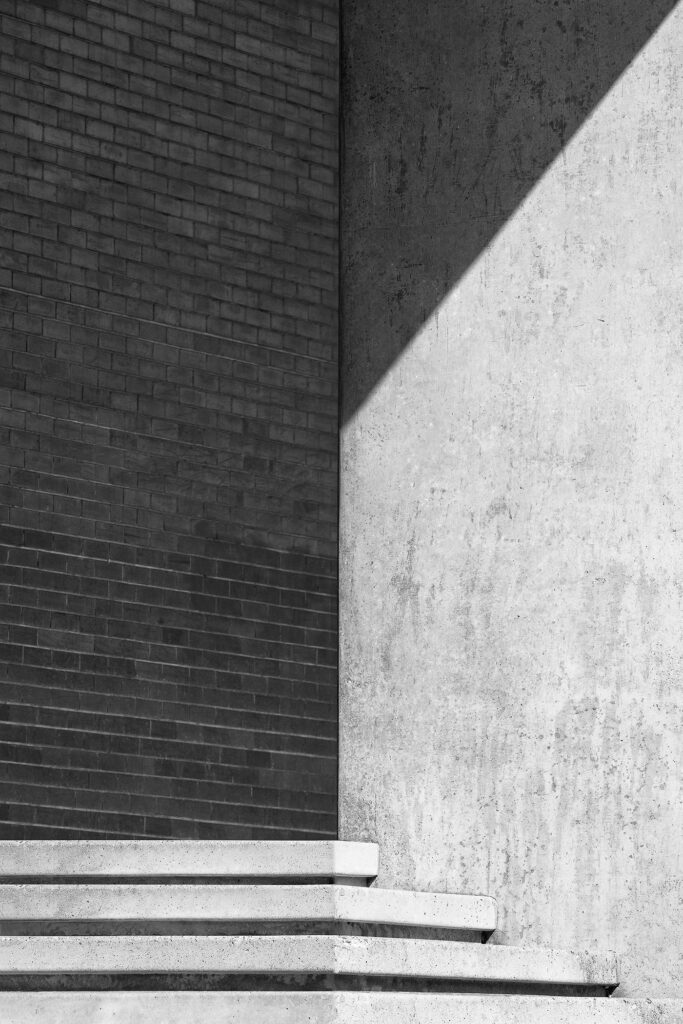
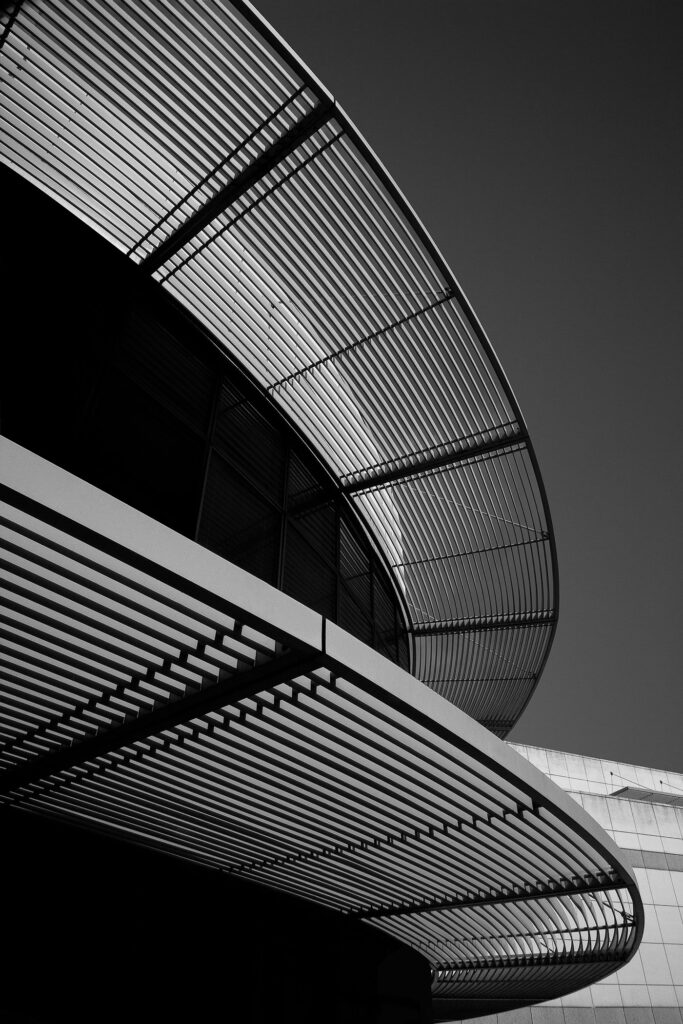
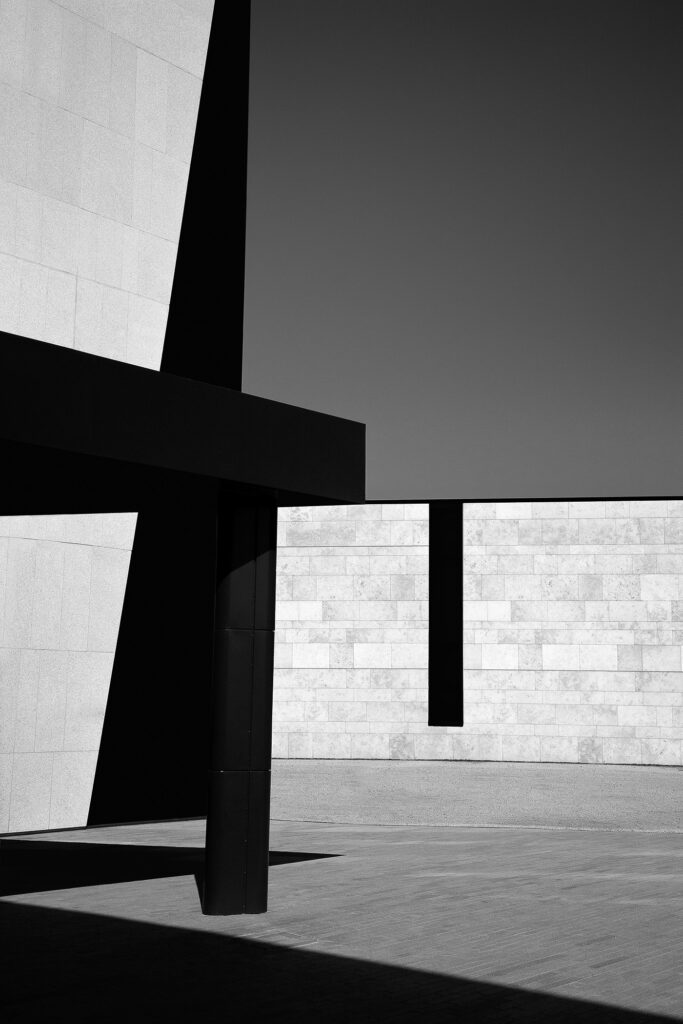
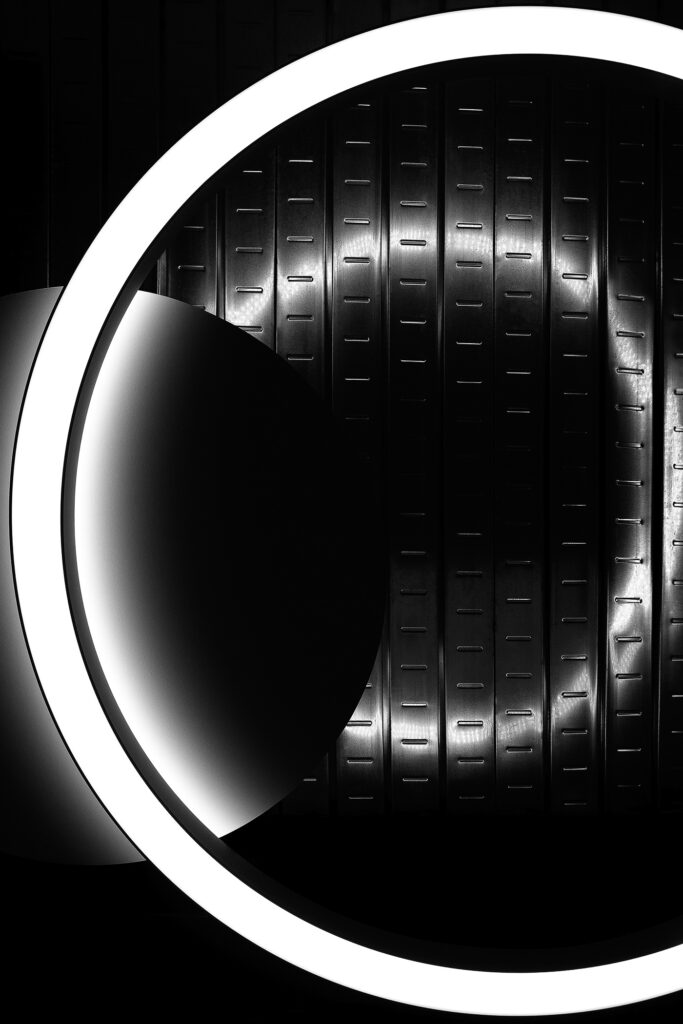
Commissioned by University College Dublin to mark the Belfield 50 milestone, the project reflects on the university’s move from its original city-centre site at Earlsfort Terrace to the purpose-built Belfield campus in the late 1960s – a transition that signalled a more modern and expansive vision for Irish higher education, at a time when Ireland was rapidly opening up socially, economically, and culturally to the wider world.
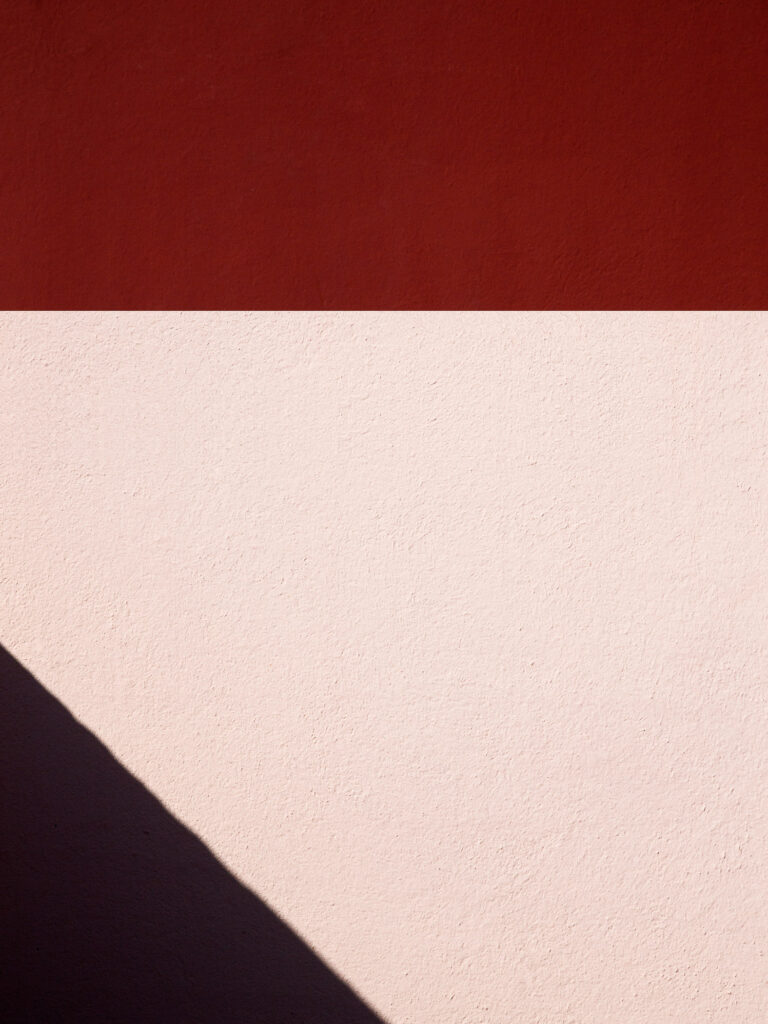
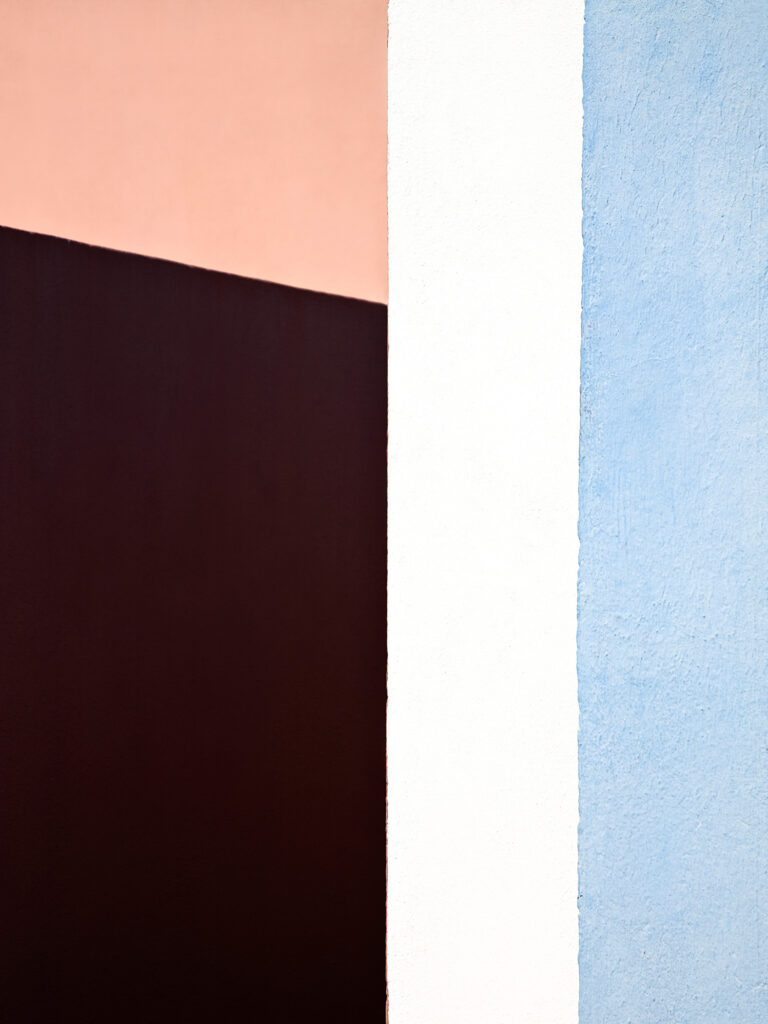
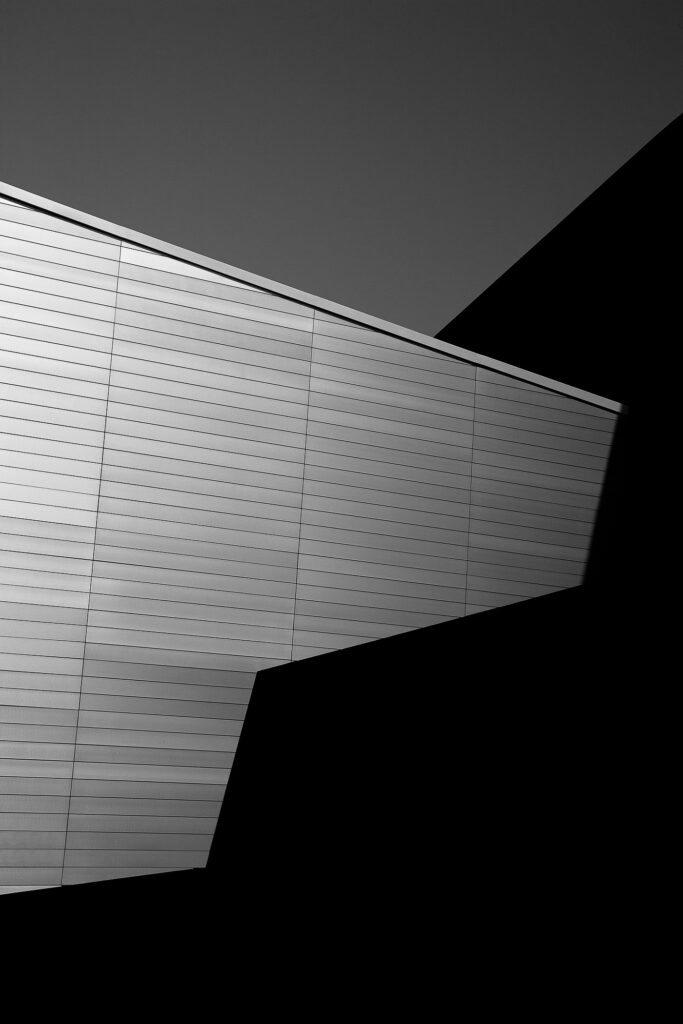
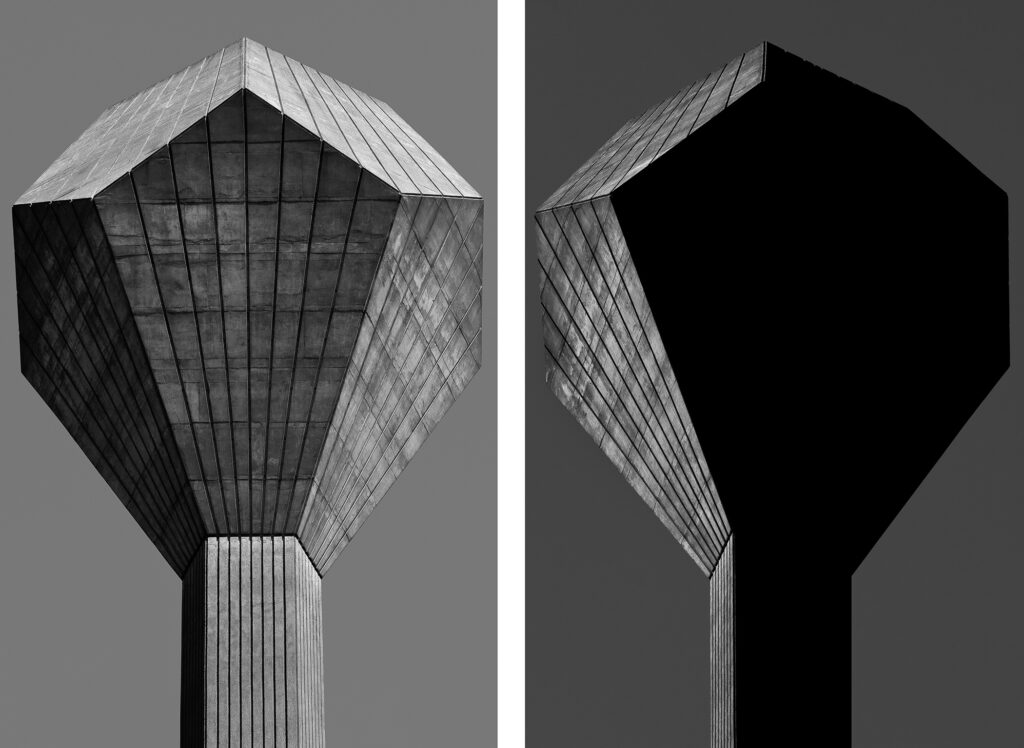
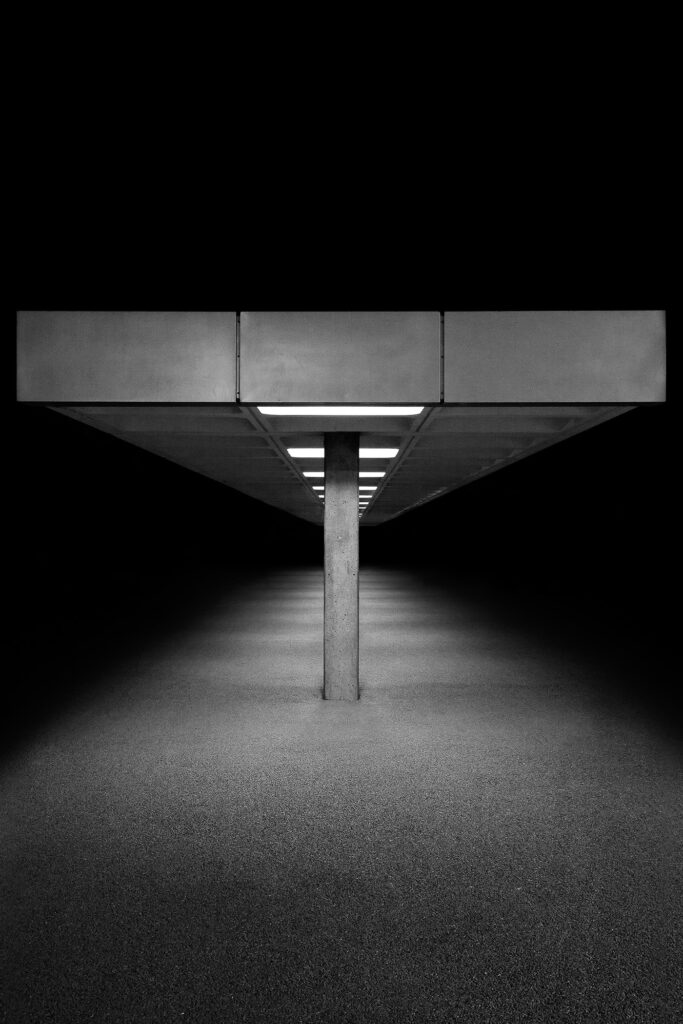
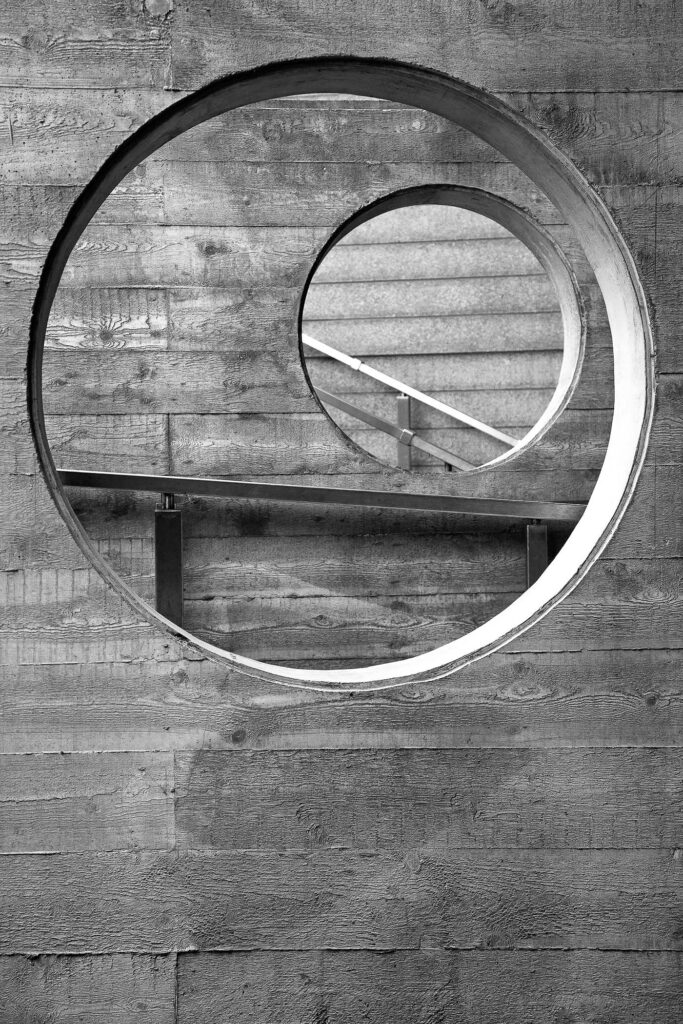
Daniel Holfeld’s minimalist, abstract approach strips away visual complexity, turning everyday structures into clear, self-contained icons. This pared-back style lets architecture and photography work together to reveal themes of change and continuity, with light, geometry, and materials quietly reflecting Ireland’s evolving identity.
The Space Between
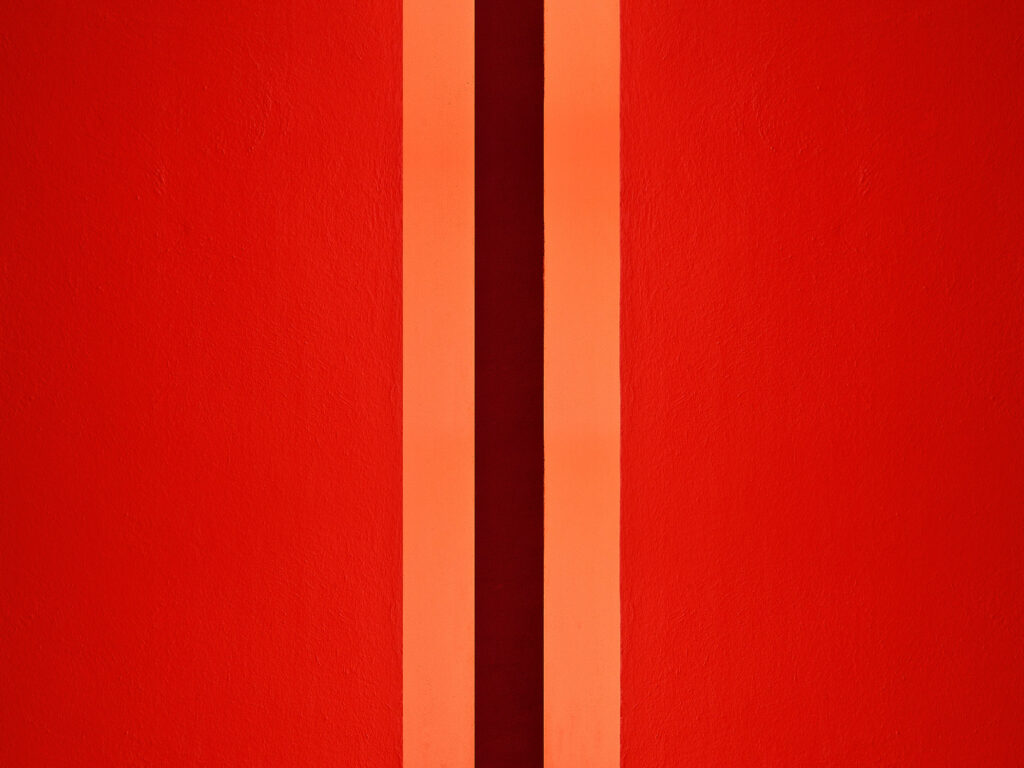
The Space Between invites viewers to unlearn conventional ways of seeing architecture, shifting from documentation toward an abstract and emotional experience of built form. Holfeld’s work prioritises contemplation over representation, encouraging a slower, more intuitive engagement with space, which merges his inner world with his outer reality.
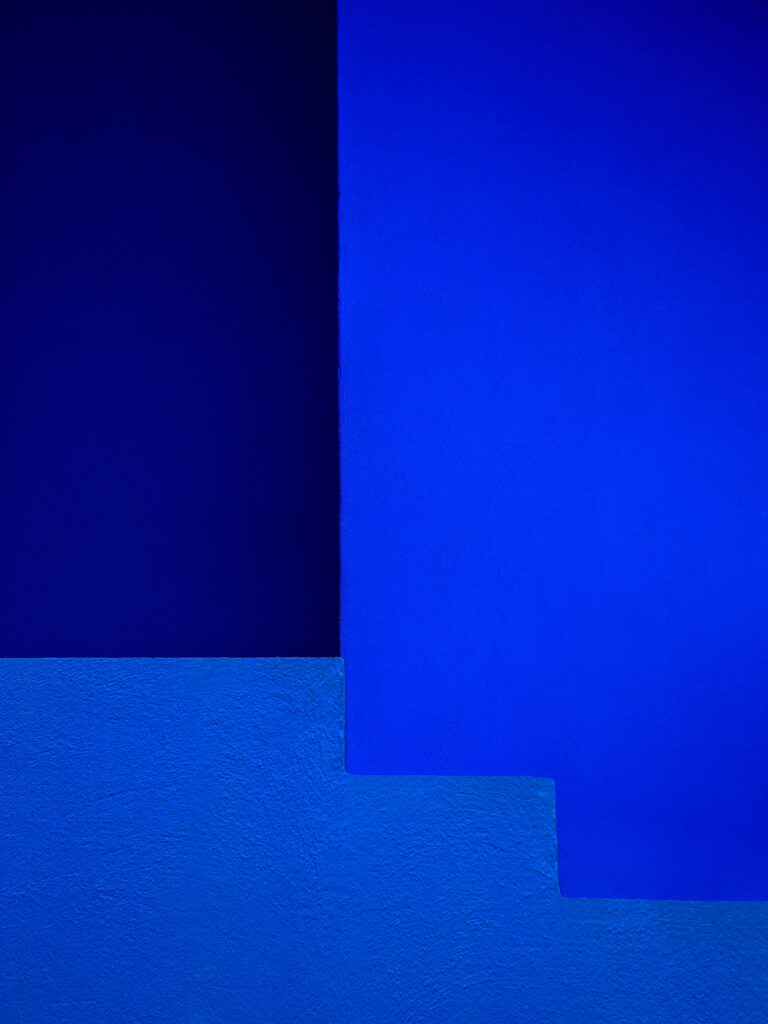
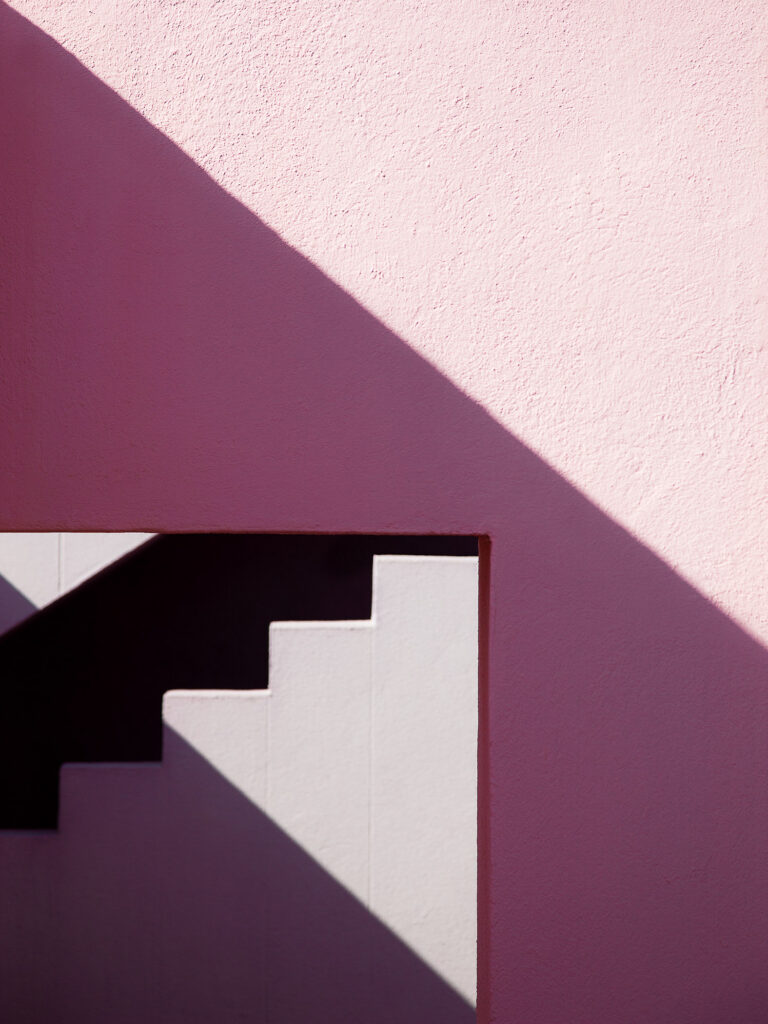
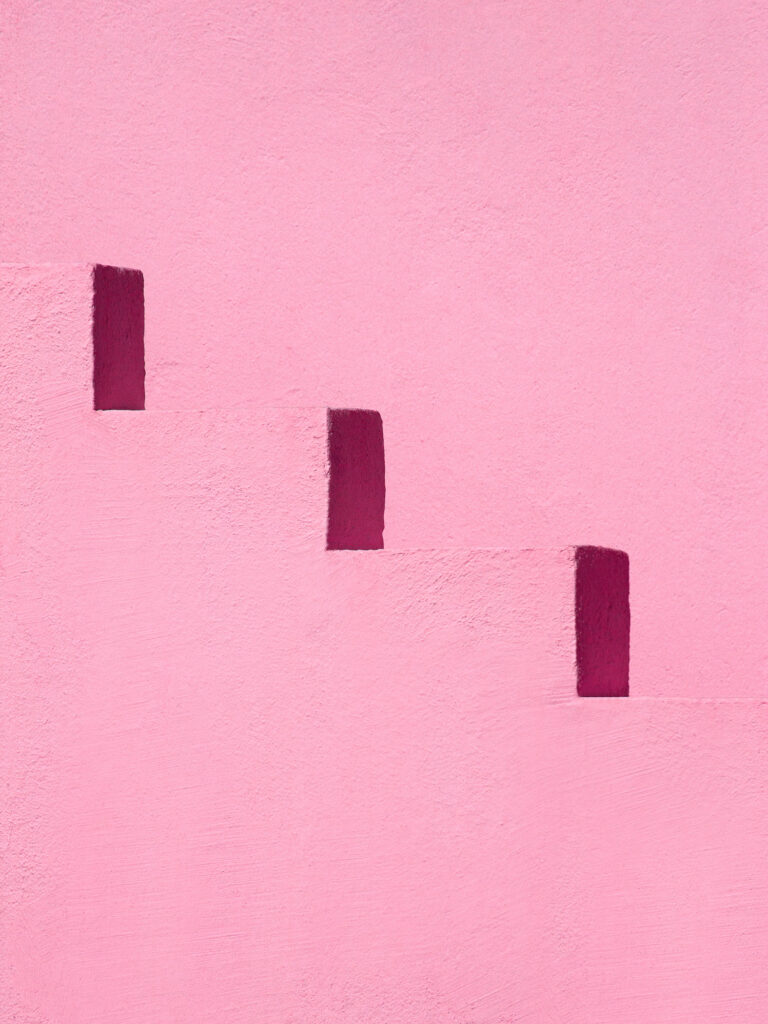
Daniel Holfeld was drawn to Ricardo Bofill’s La Muralla Roja for its bold geometry and vivid use of colour. Beyond its striking appearance, the building shapes perception, guides movement, and regulates emotion through its careful use of colour, repetition, and form.