Andrés Rozo Samer
Andrés Rozo Samer’s photographic practice begins with overlooked materials and surfaces whose original identities have been altered by time, use or disappearance. Working across natural remains, domestic objects, transient residues and urban traces, the artist isolates fragments in which another image has already begun to emerge.
Rozo Samer approaches observation as a form of visual excavation. Through framing, scale and composition, he activates the possibilities of familiar matter, allowing it to move between evidence and invention while resisting the certainty of a single meaning.
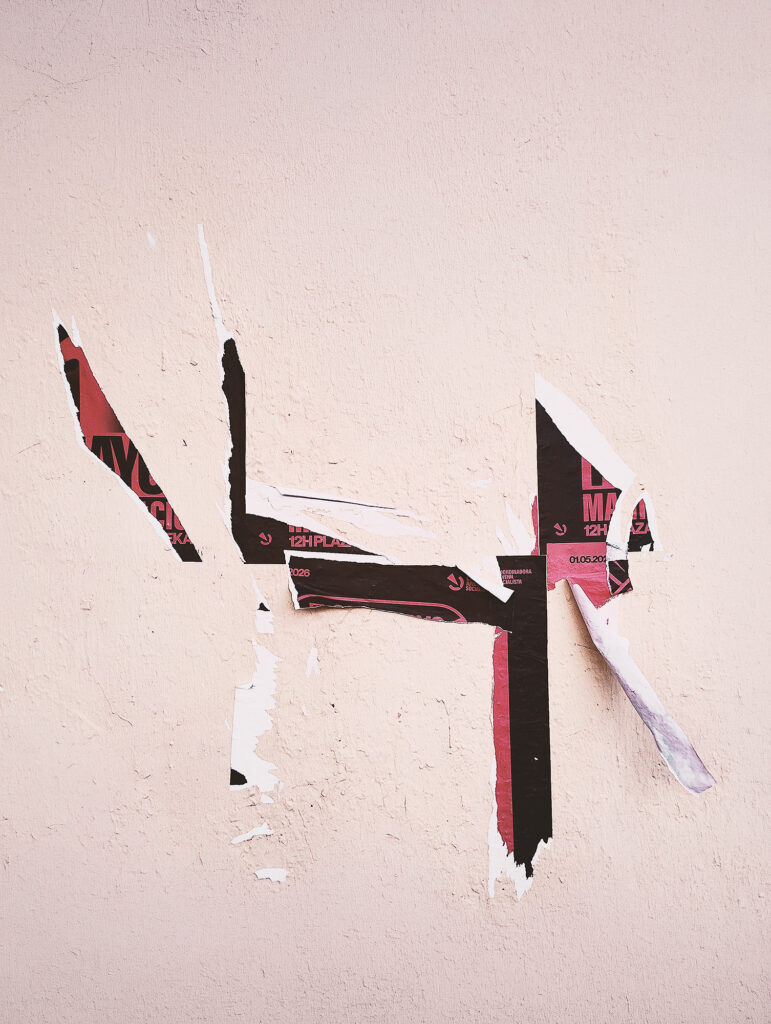
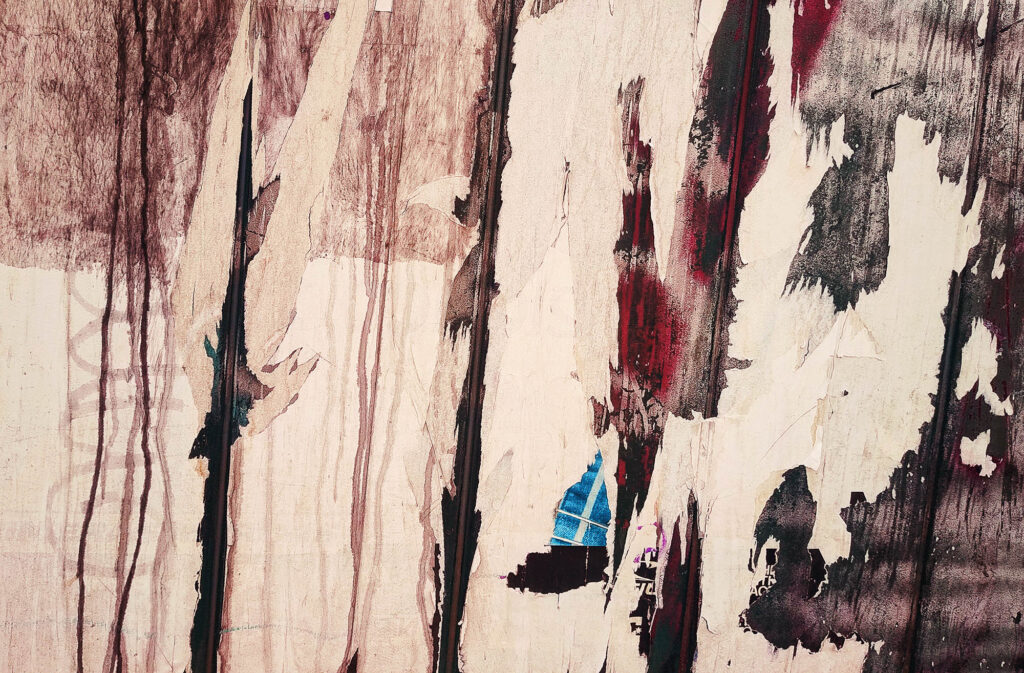
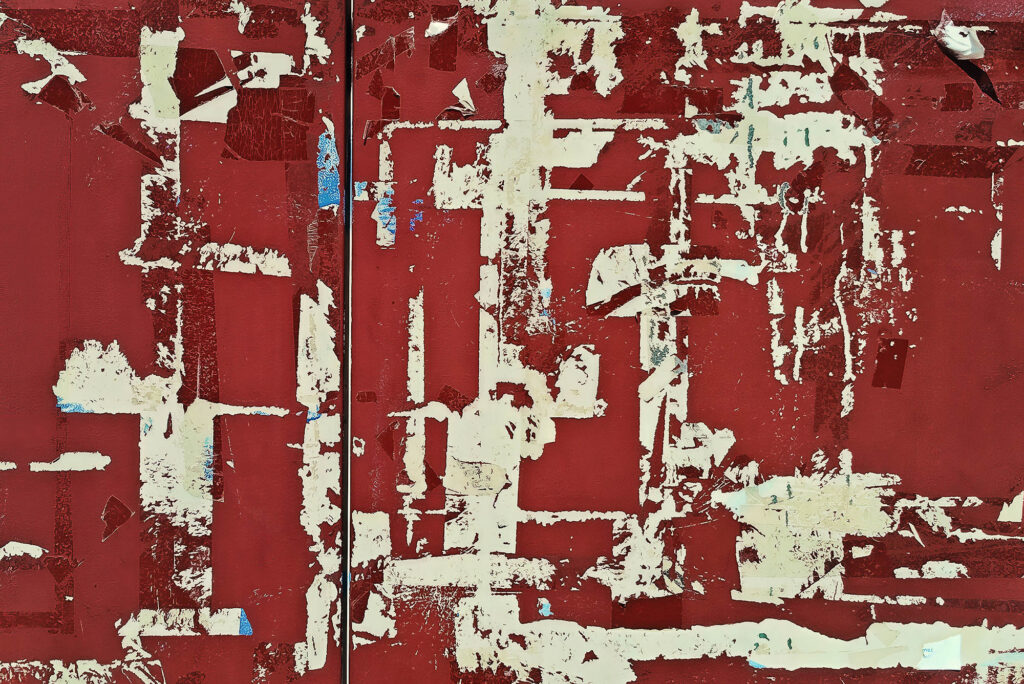
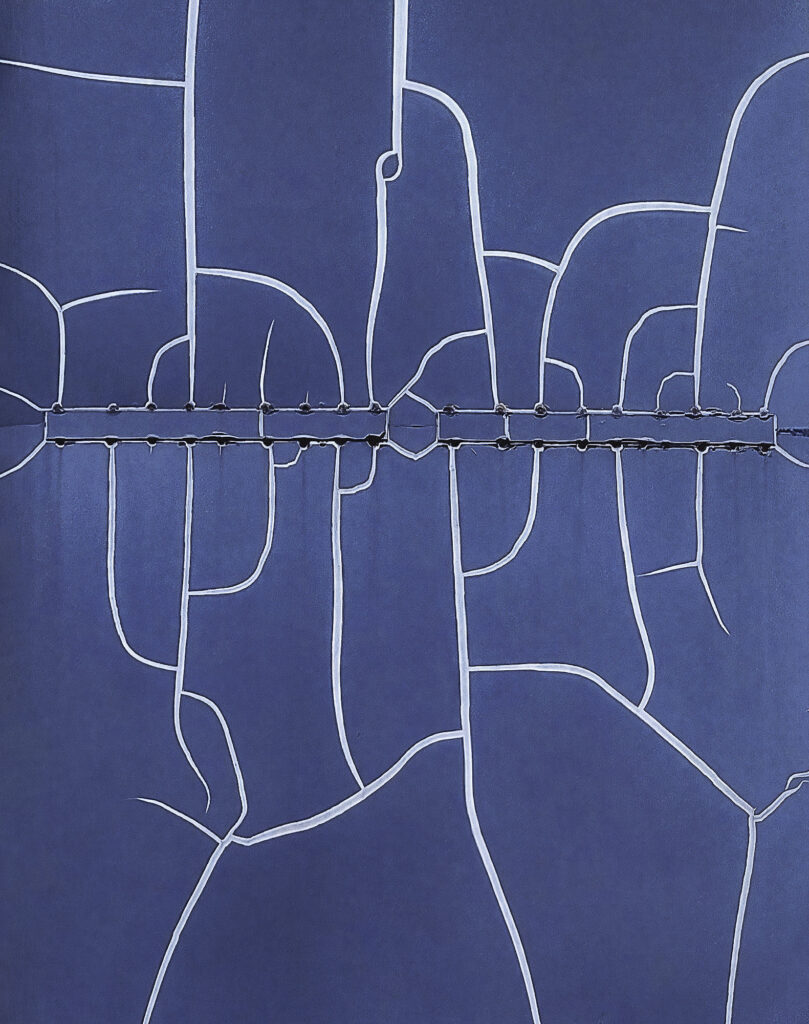
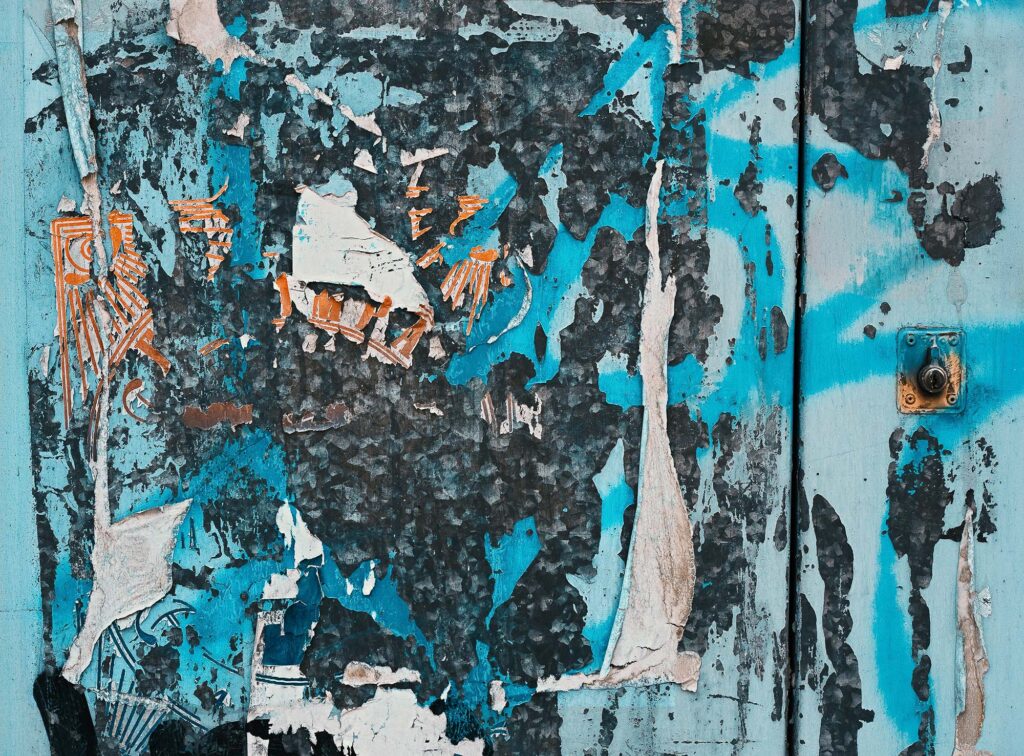
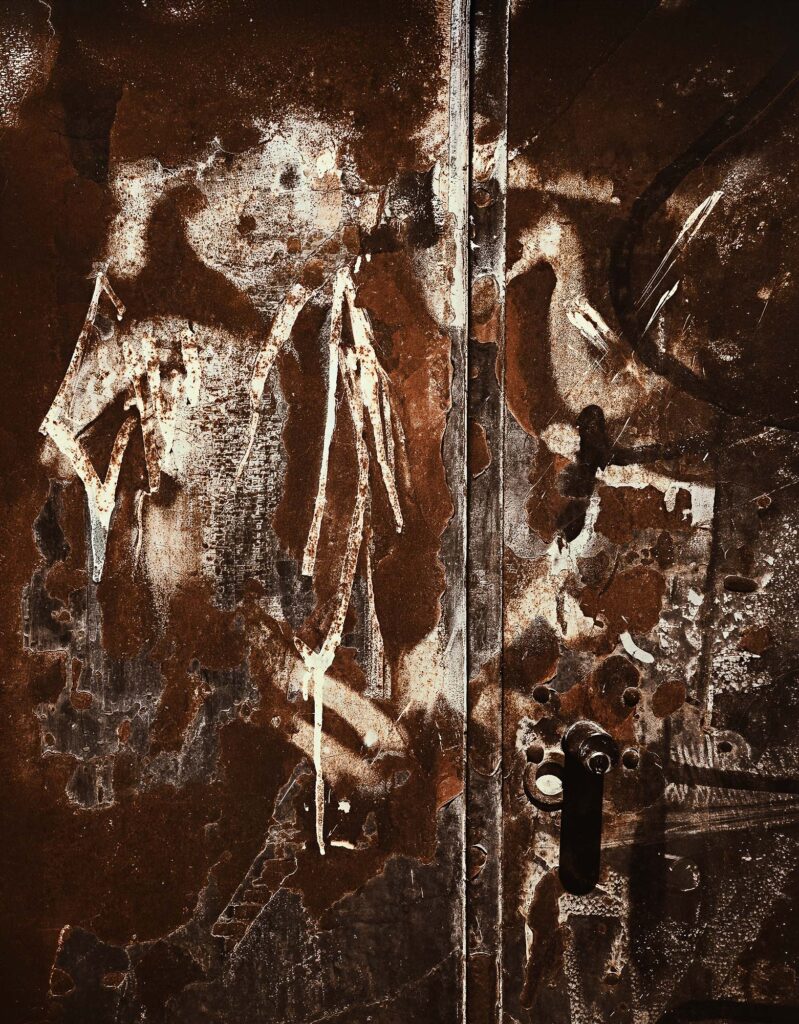
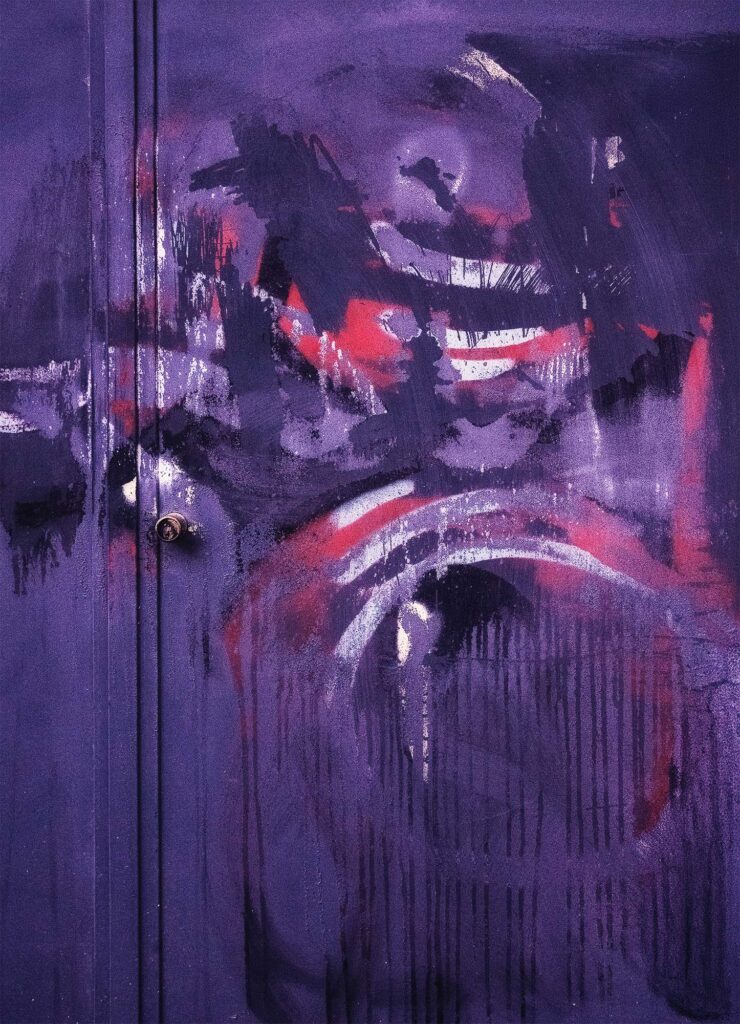
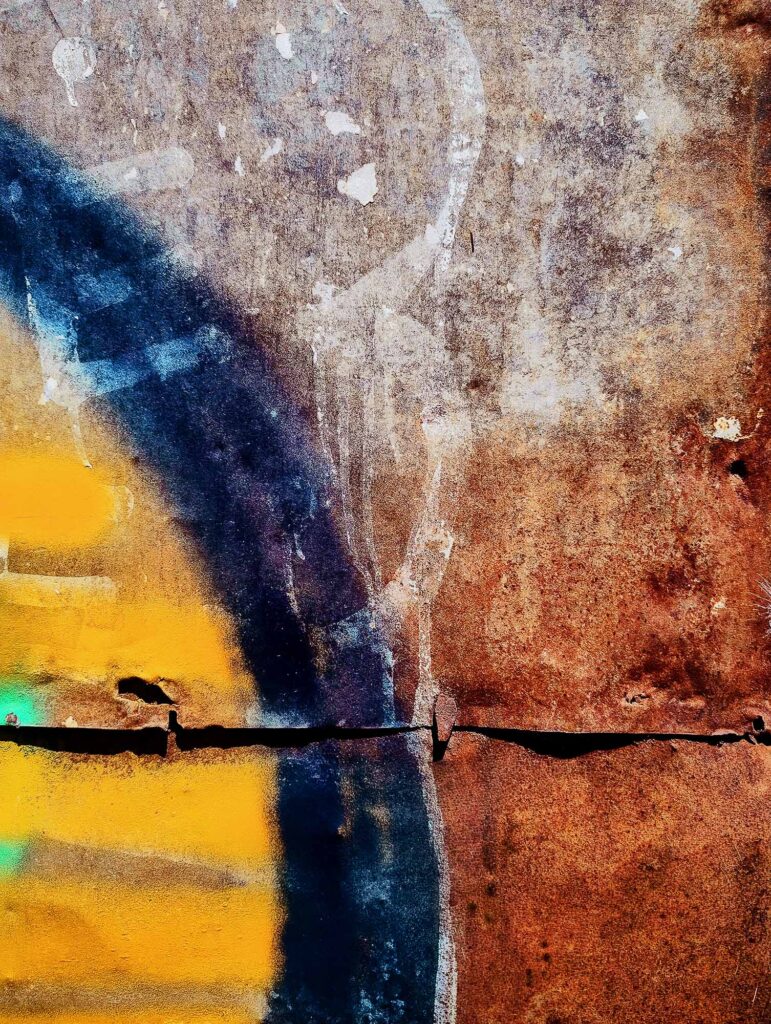
The Murmur of Vanished Signs
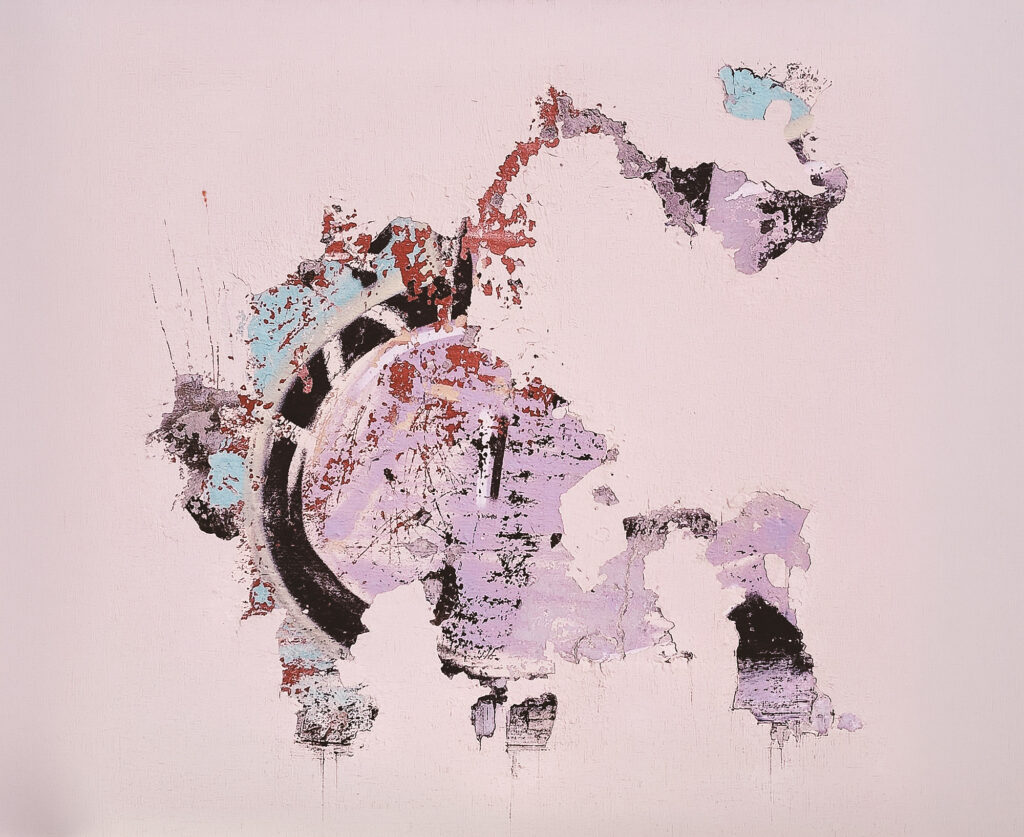
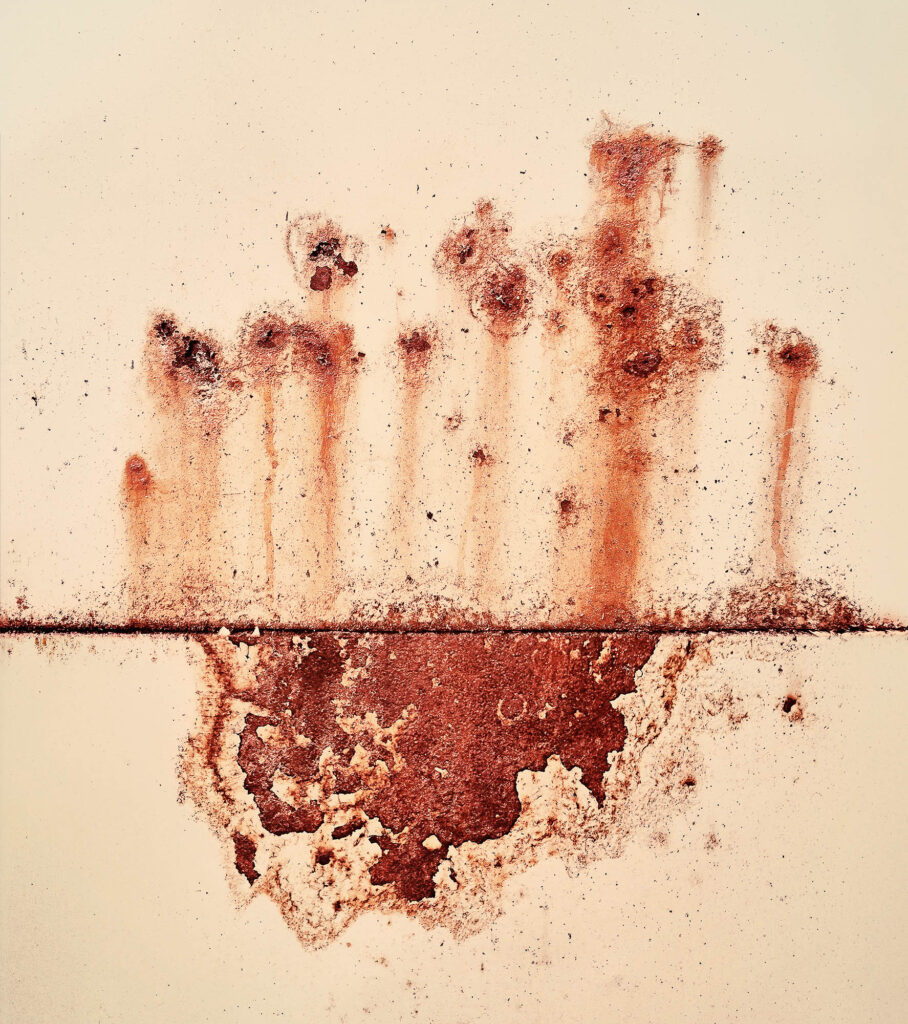
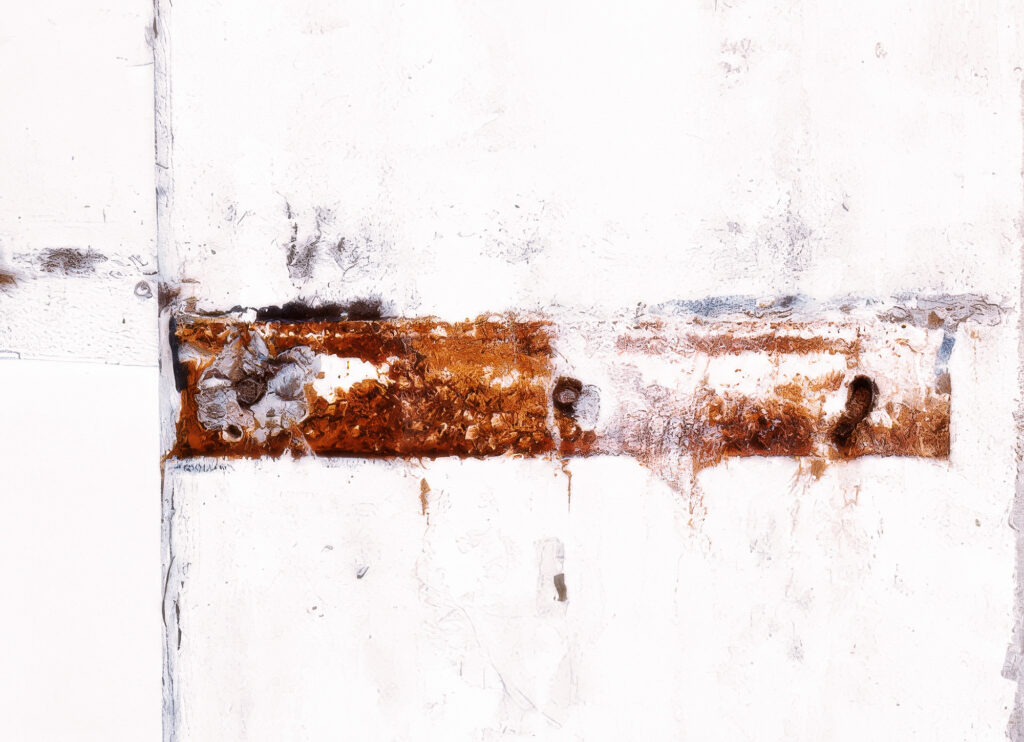
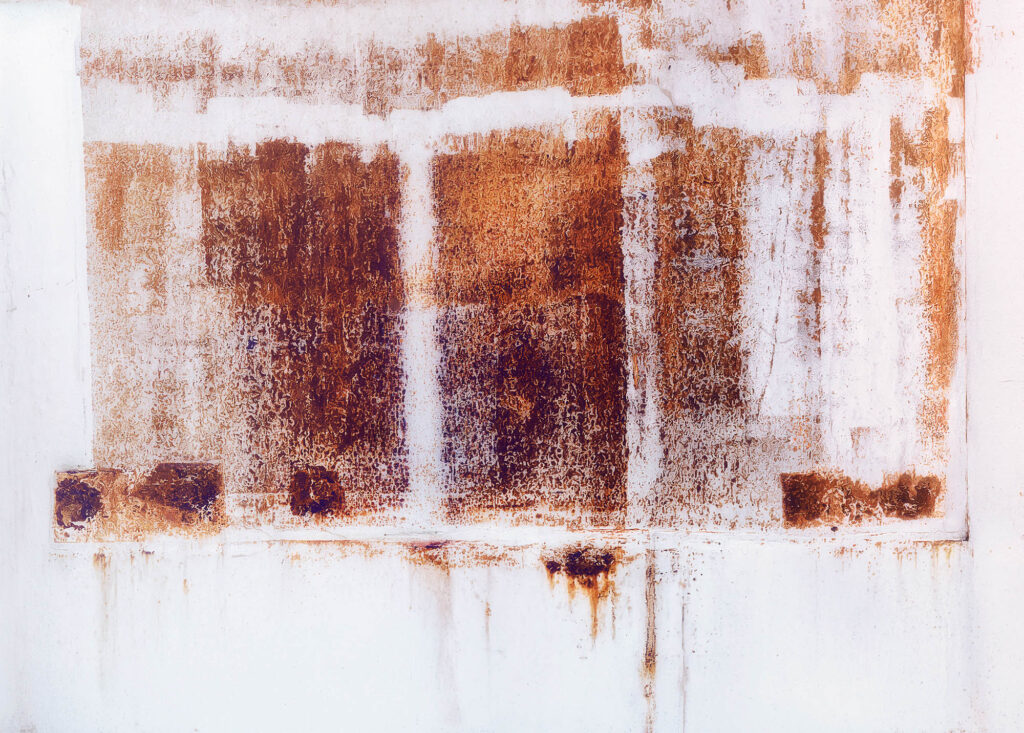
The Murmur of Vanished Signs begins with urban surfaces transformed by time, use, weather and successive human interventions. Fragments of posters, layers of paint, repairs, oxidation and eroded materials remain embedded in the city after losing their original context and function. Isolated through photographic framing, these traces abandon their coordinates: words dissolve into colour, fragments acquire uncertain presences, and damaged structures shift between writing, map, body, network and unfamiliar territory.
The old signs dissolve | The wall gathers their echoes | What vanished takes shape
Dead Nature Scrolls
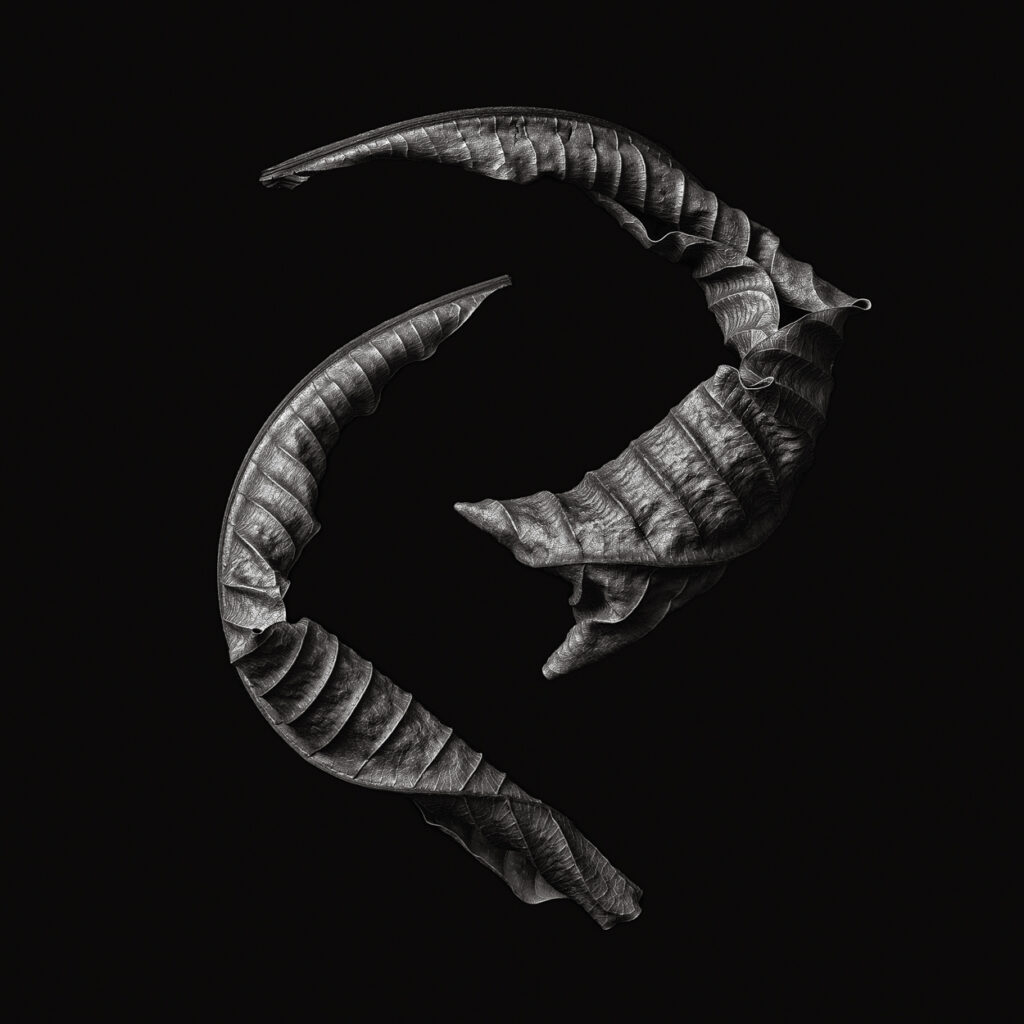
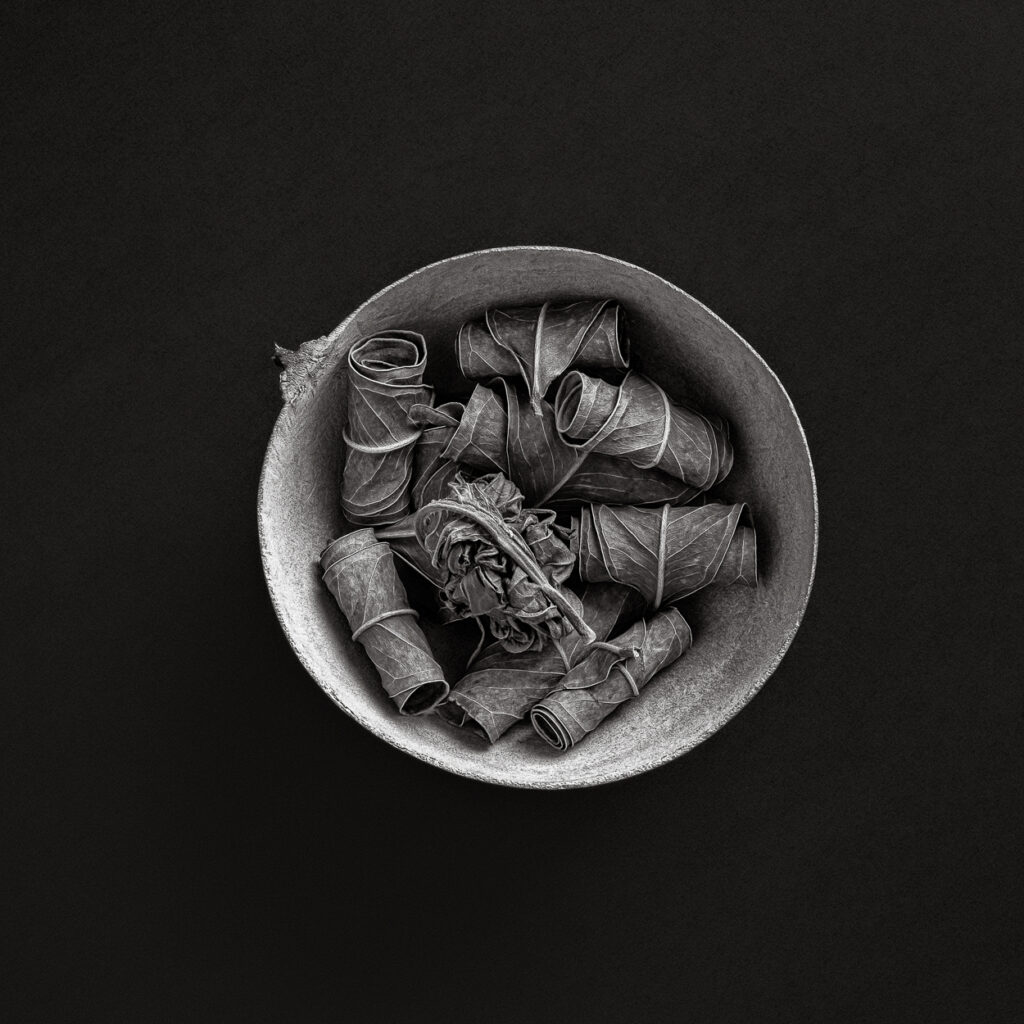
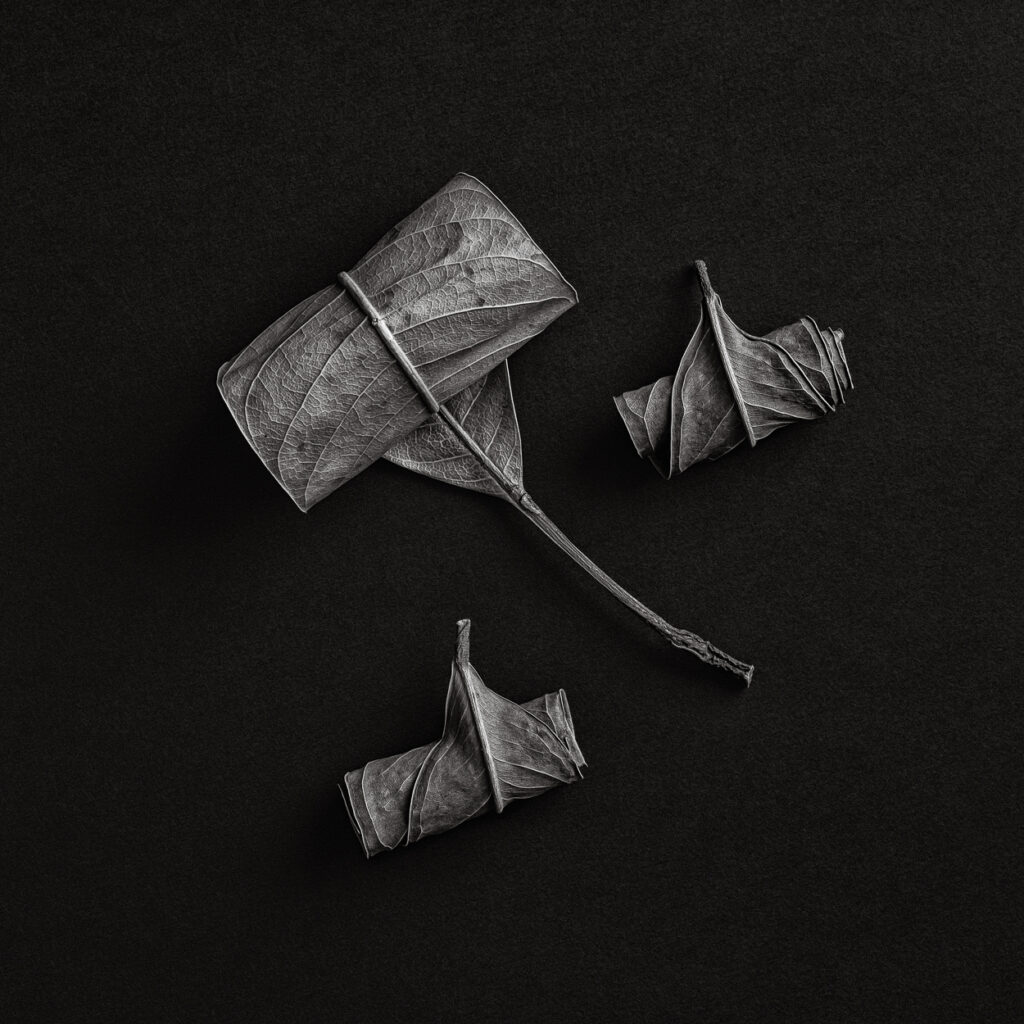
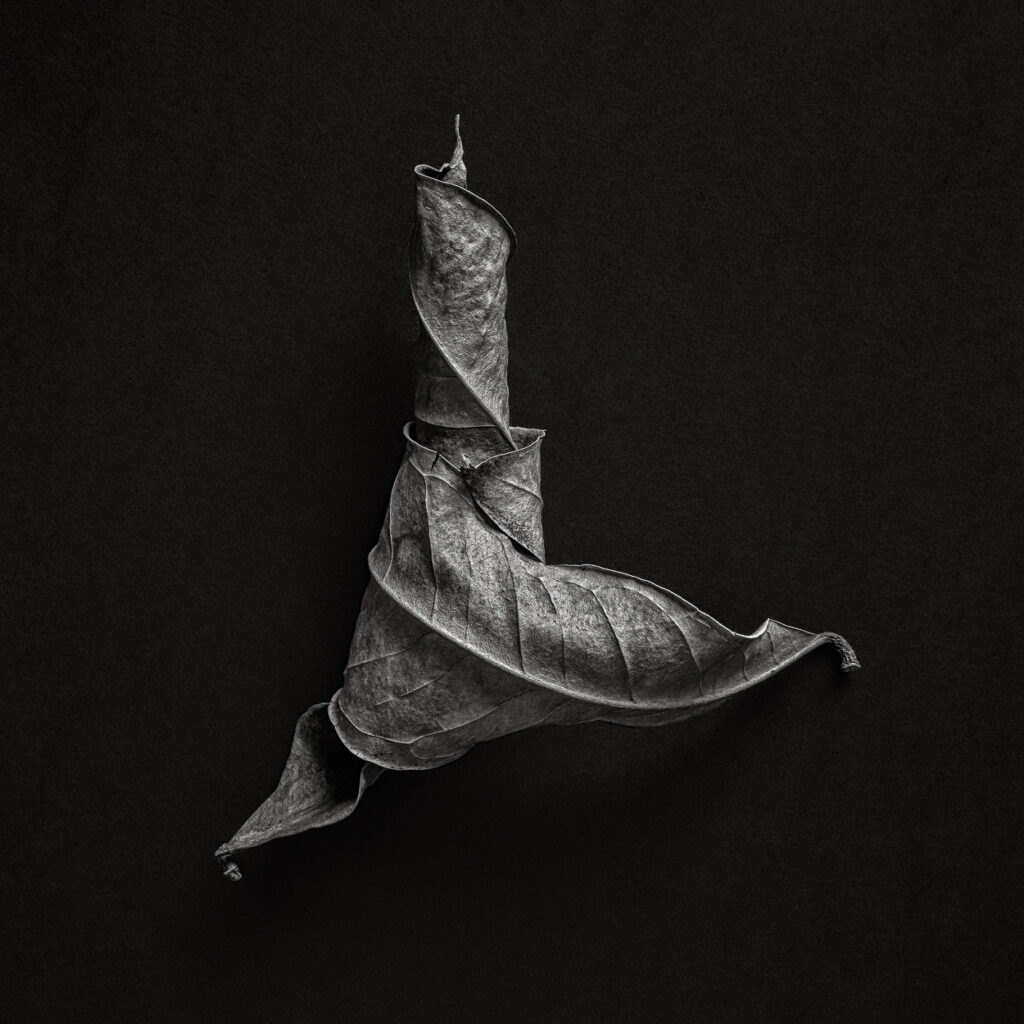
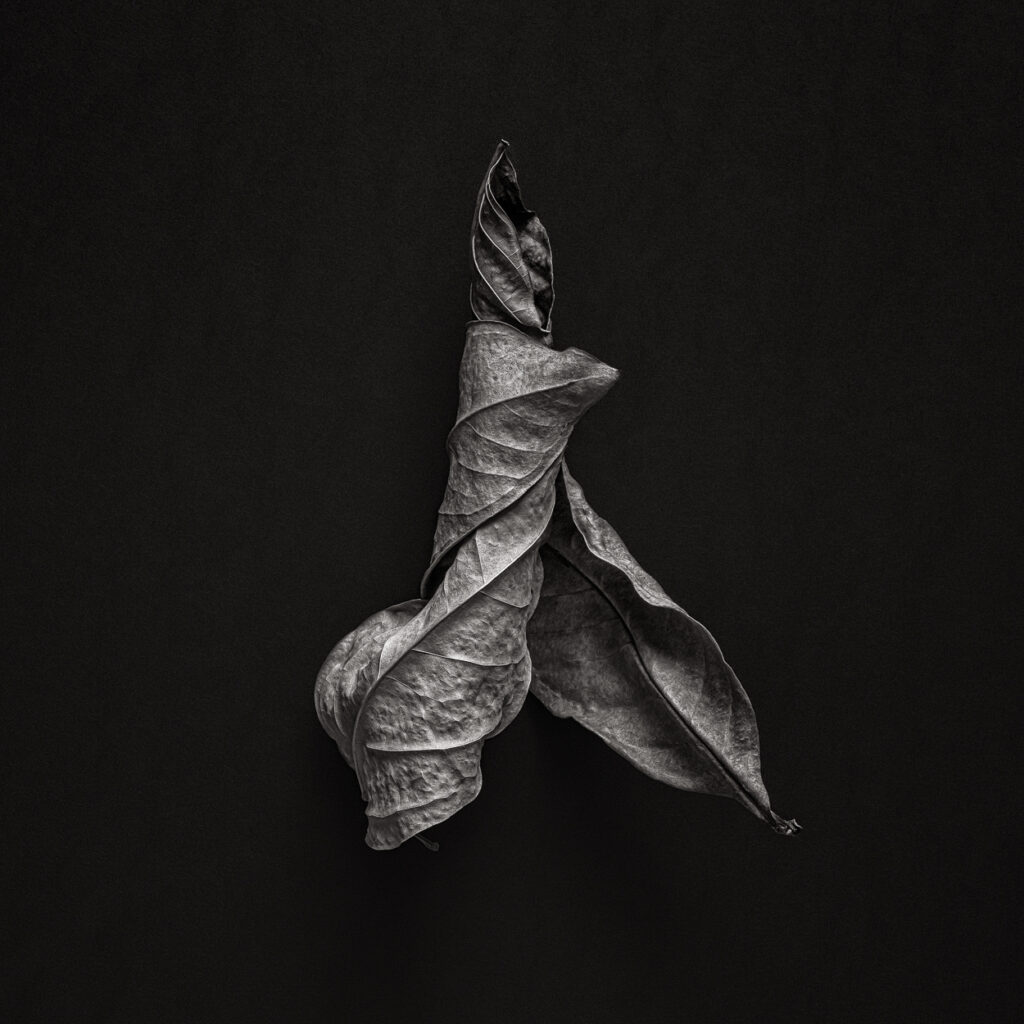
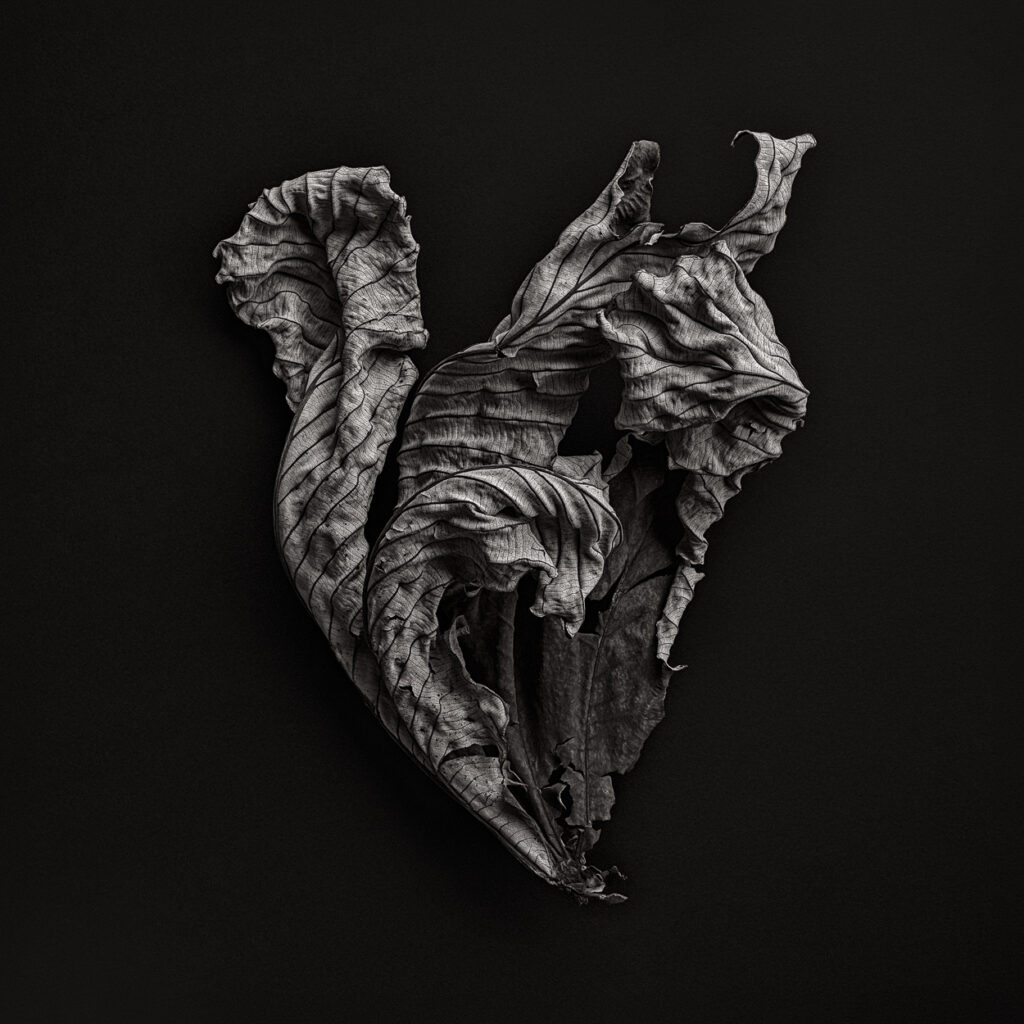
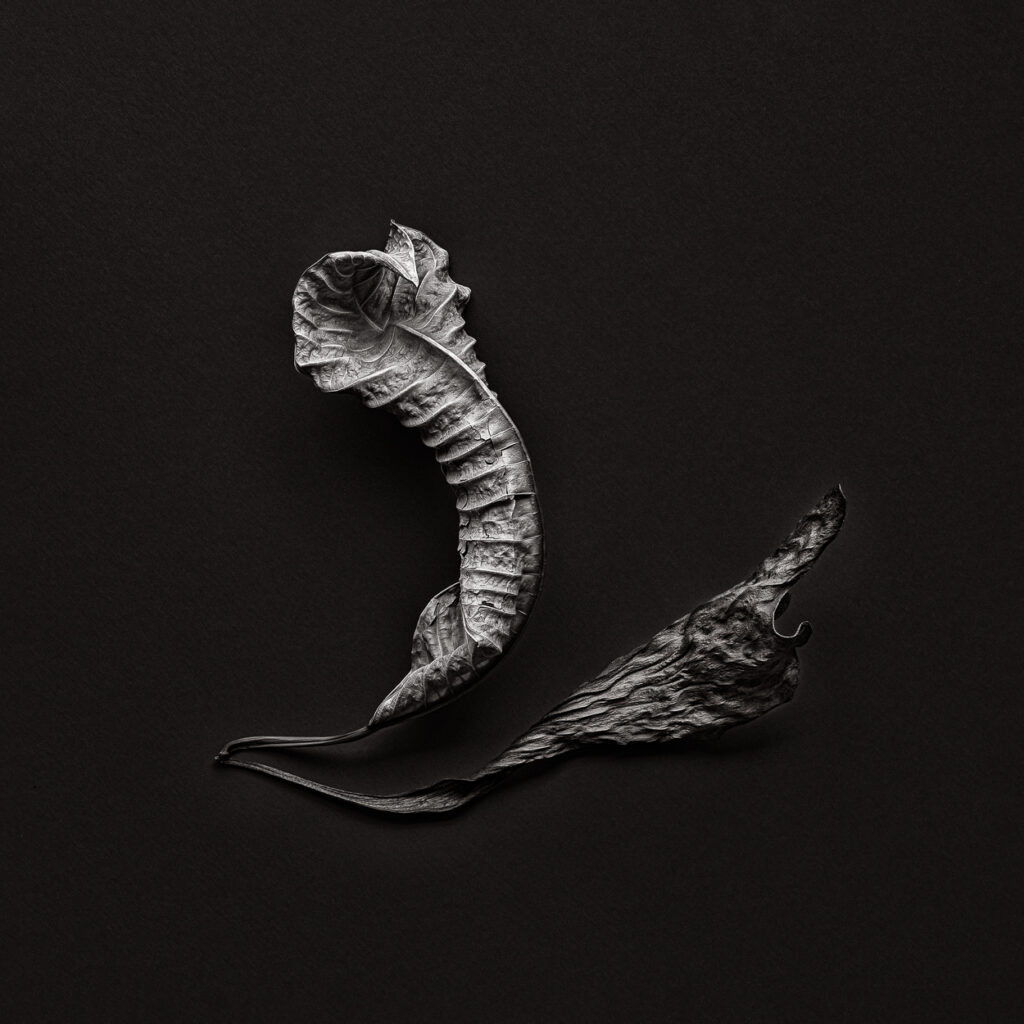
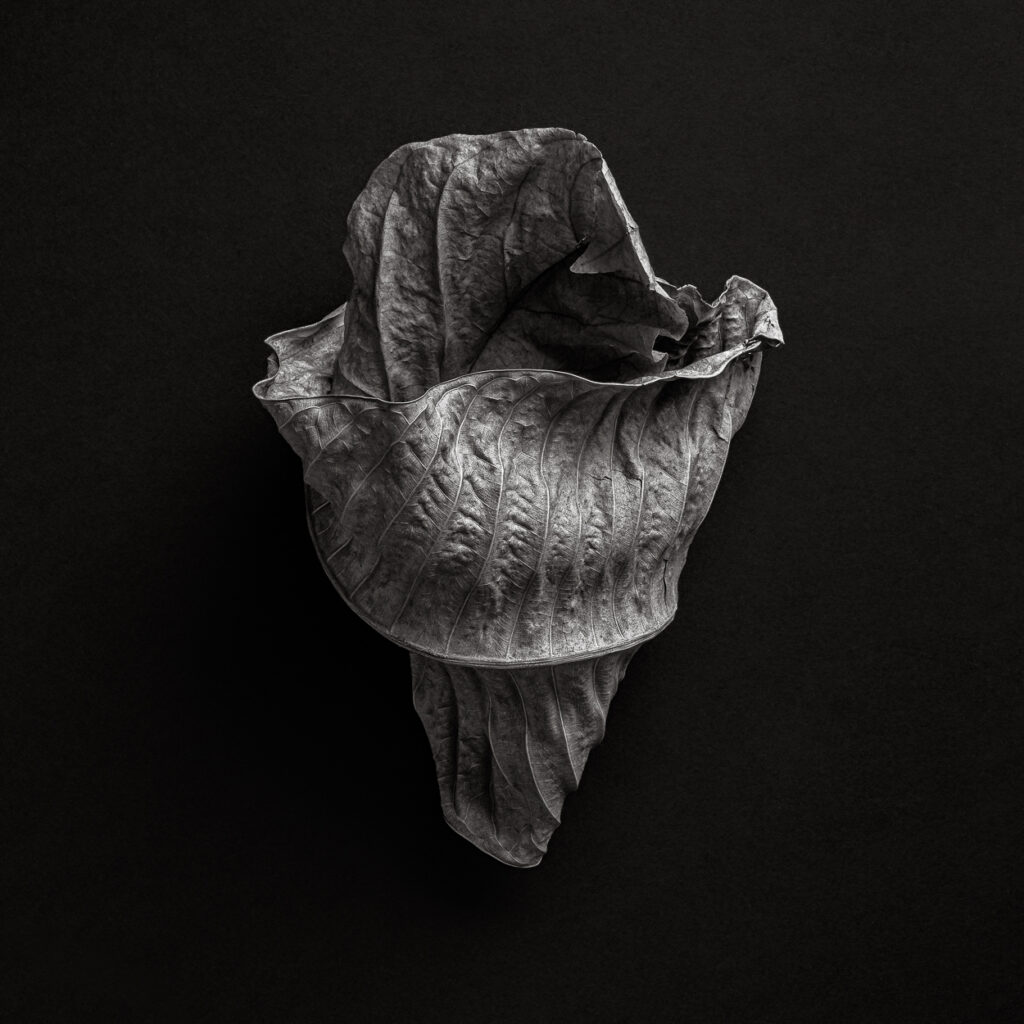
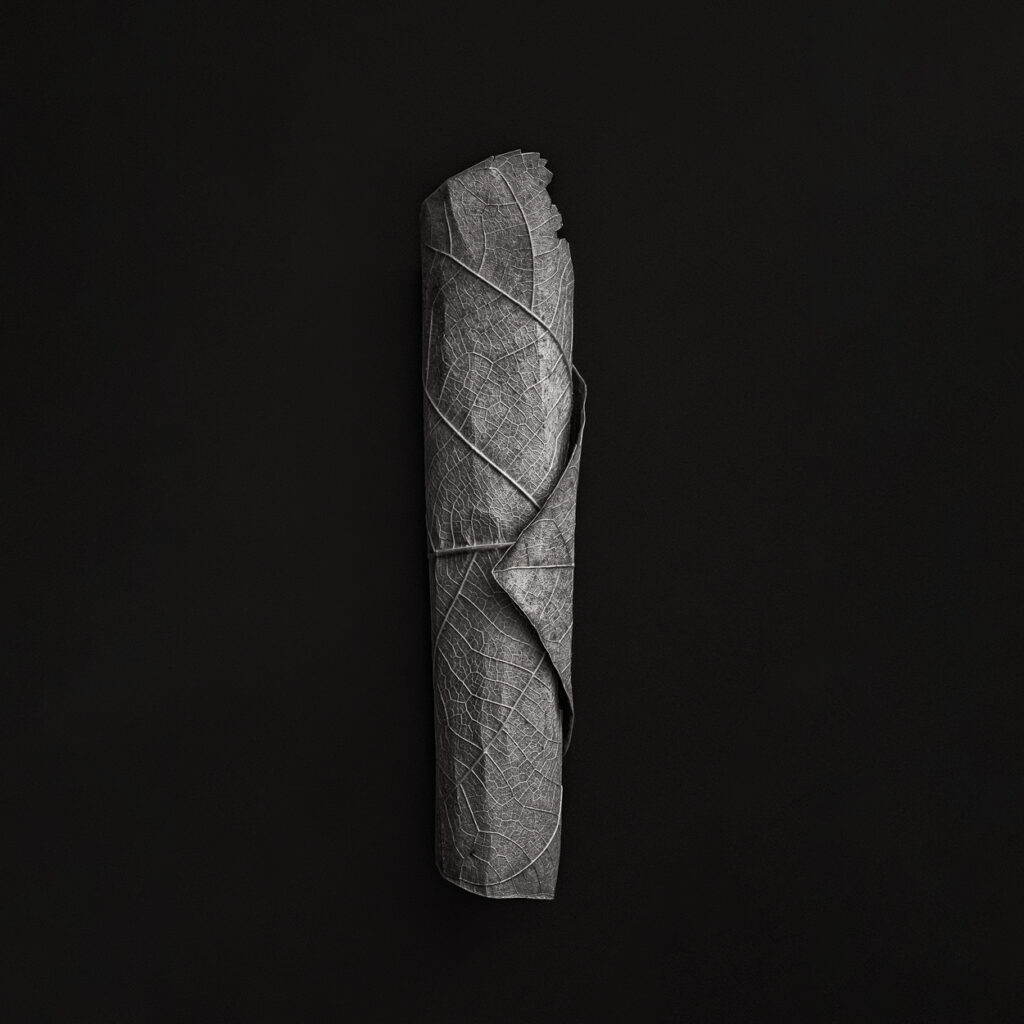
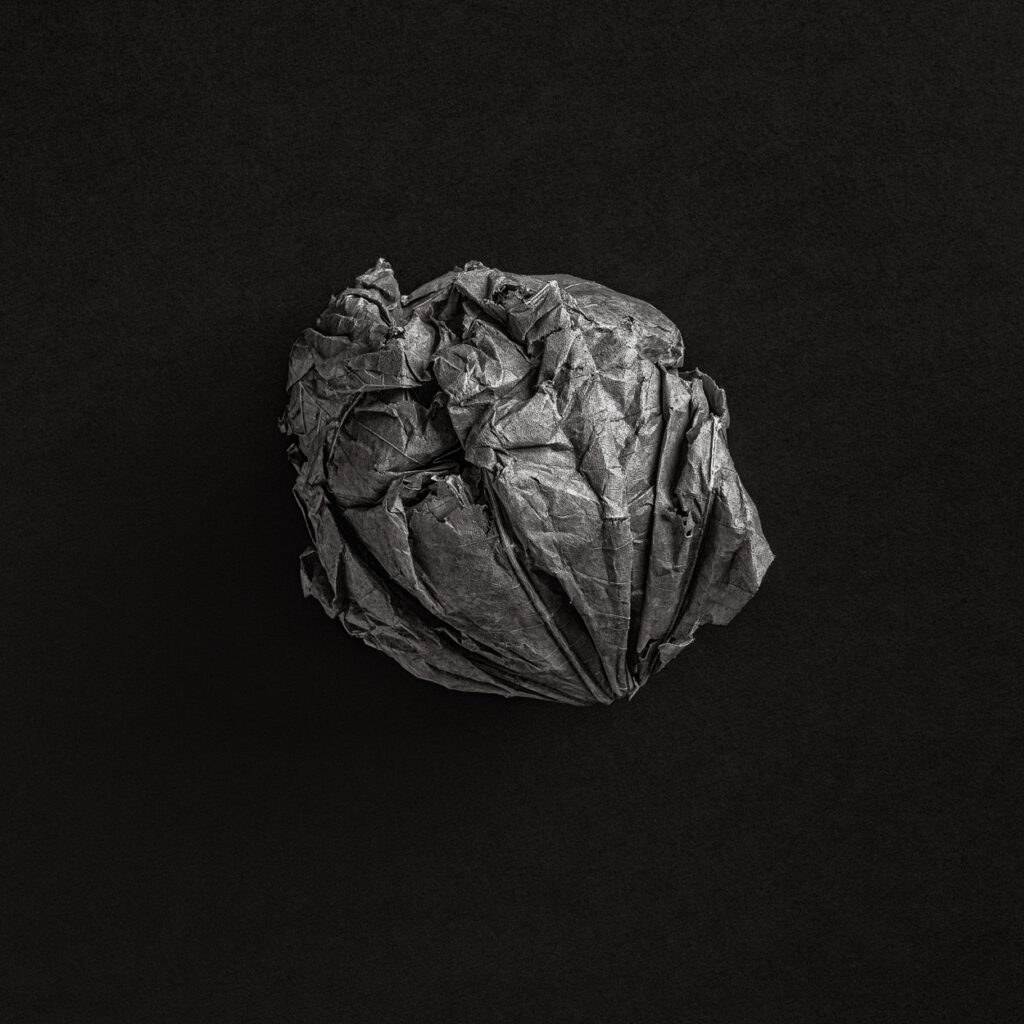
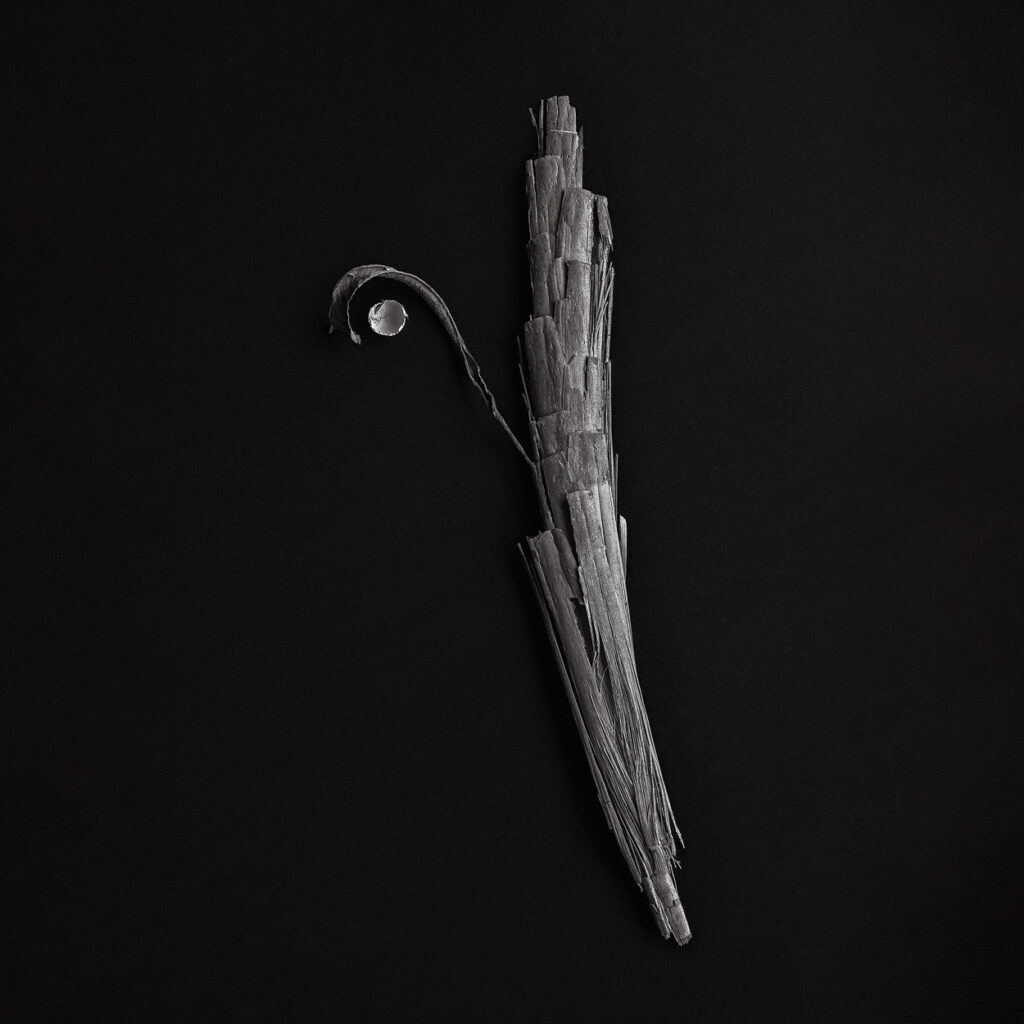
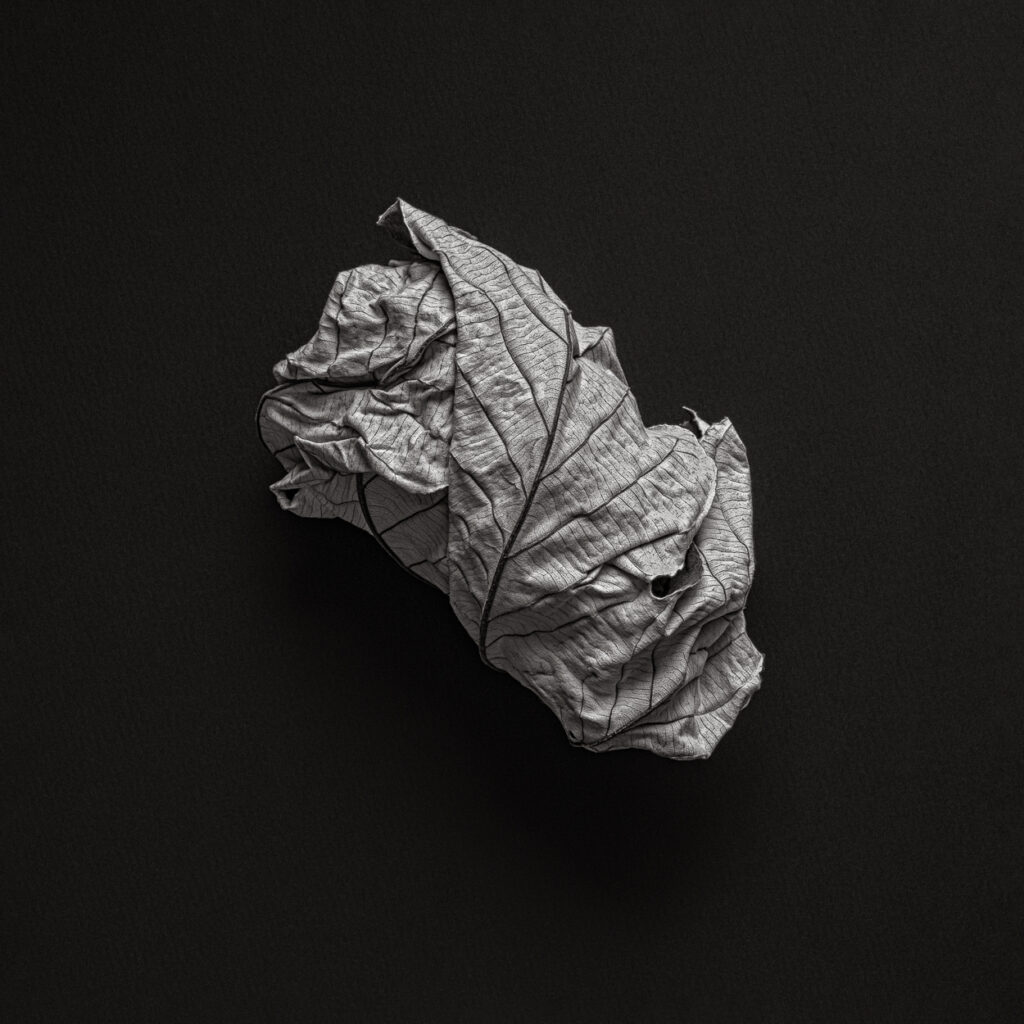
Fallen leaf unfolds | A body without a name | Stillness takes a shape
Dead Nature Scrolls examines dry leaves after their biological function has ended. Removed from their natural setting and photographed in isolation, their folds, fractures and delicate structures acquire an unexpected sculptural presence.
The series moves beyond botanical description to consider decay as a process of formal transformation. What first appears fragile or lifeless becomes body, gesture, architecture or unknown organism. Through scale, light and close observation, the photographs reveal how matter continues to generate images even after life has withdrawn from it.
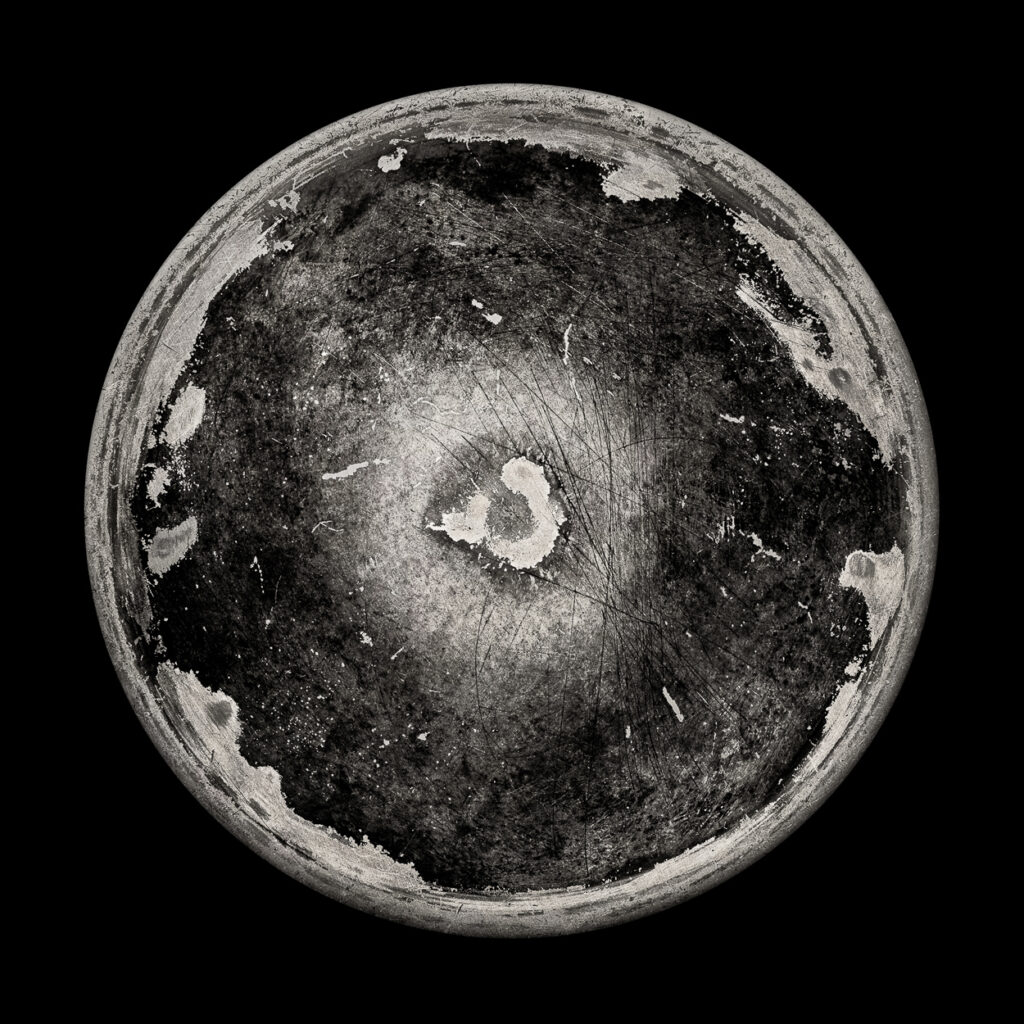
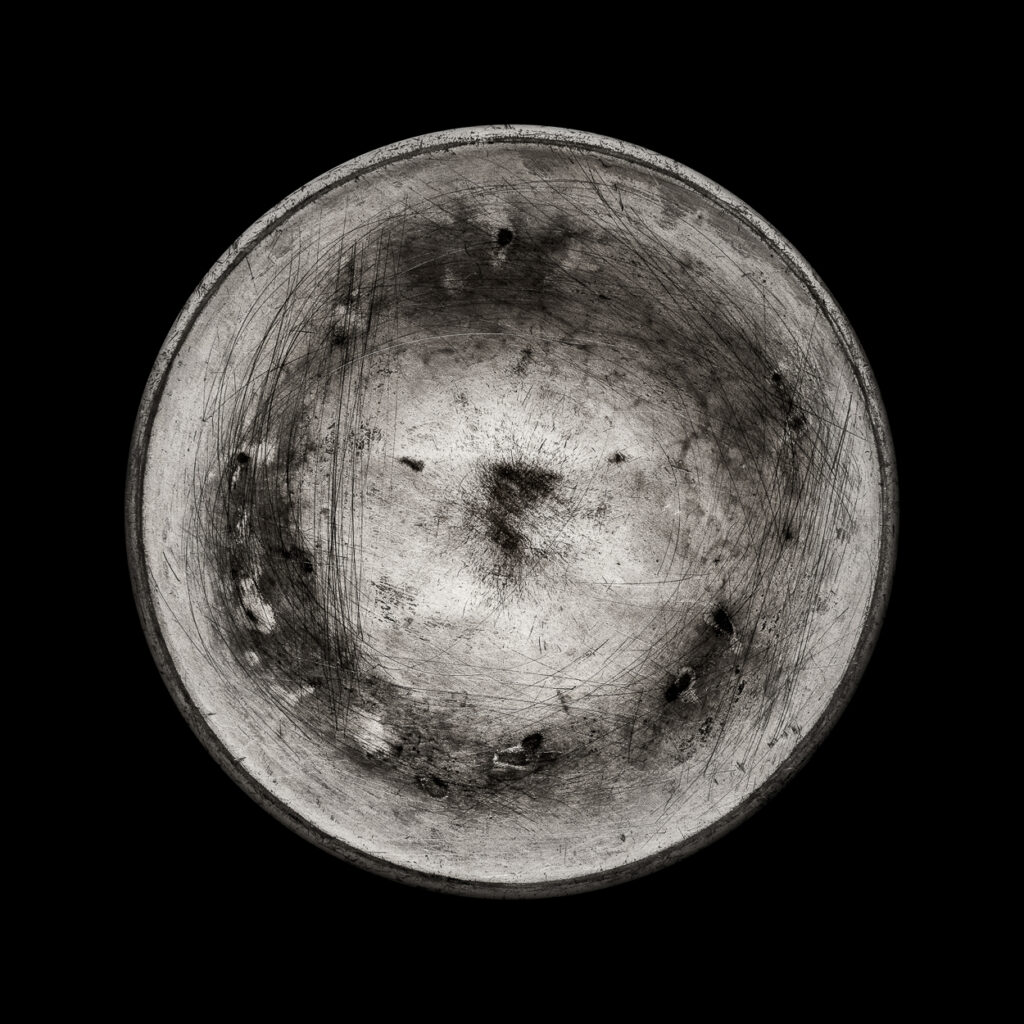
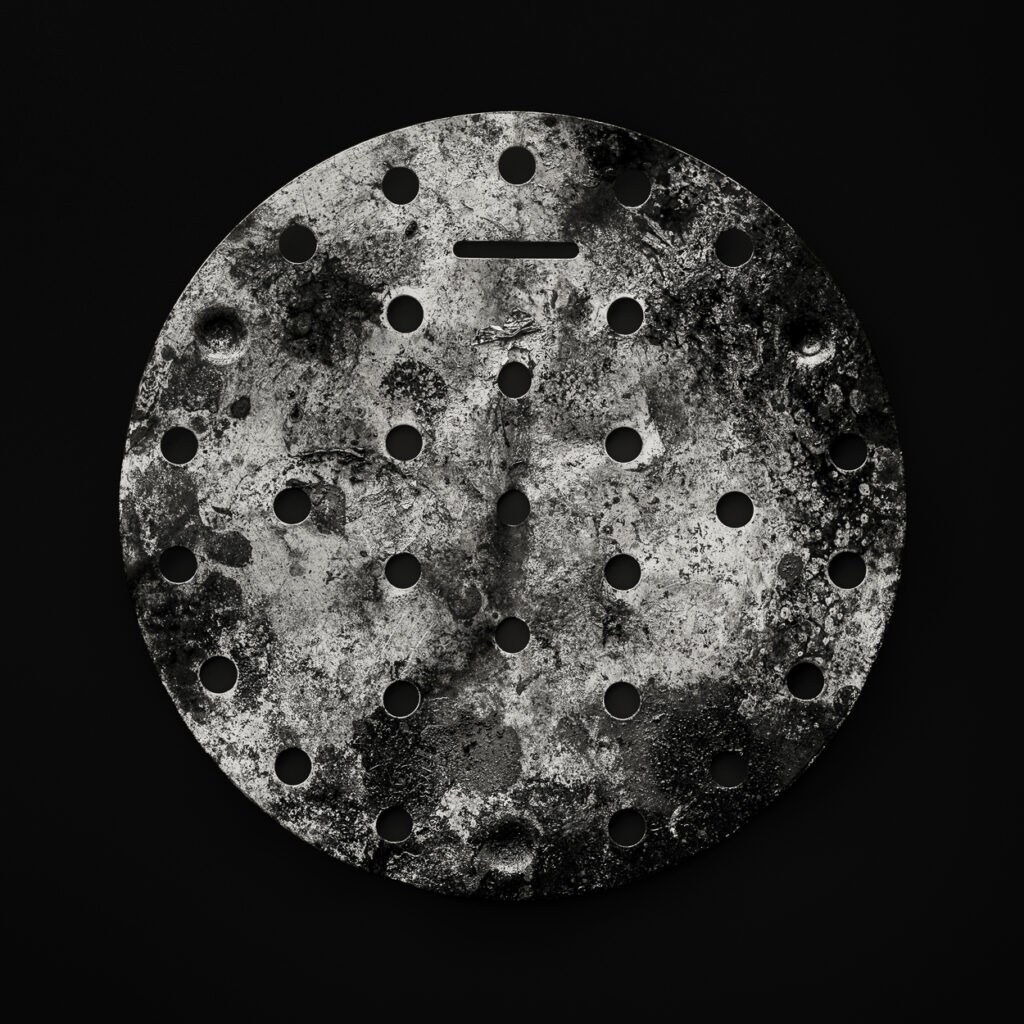
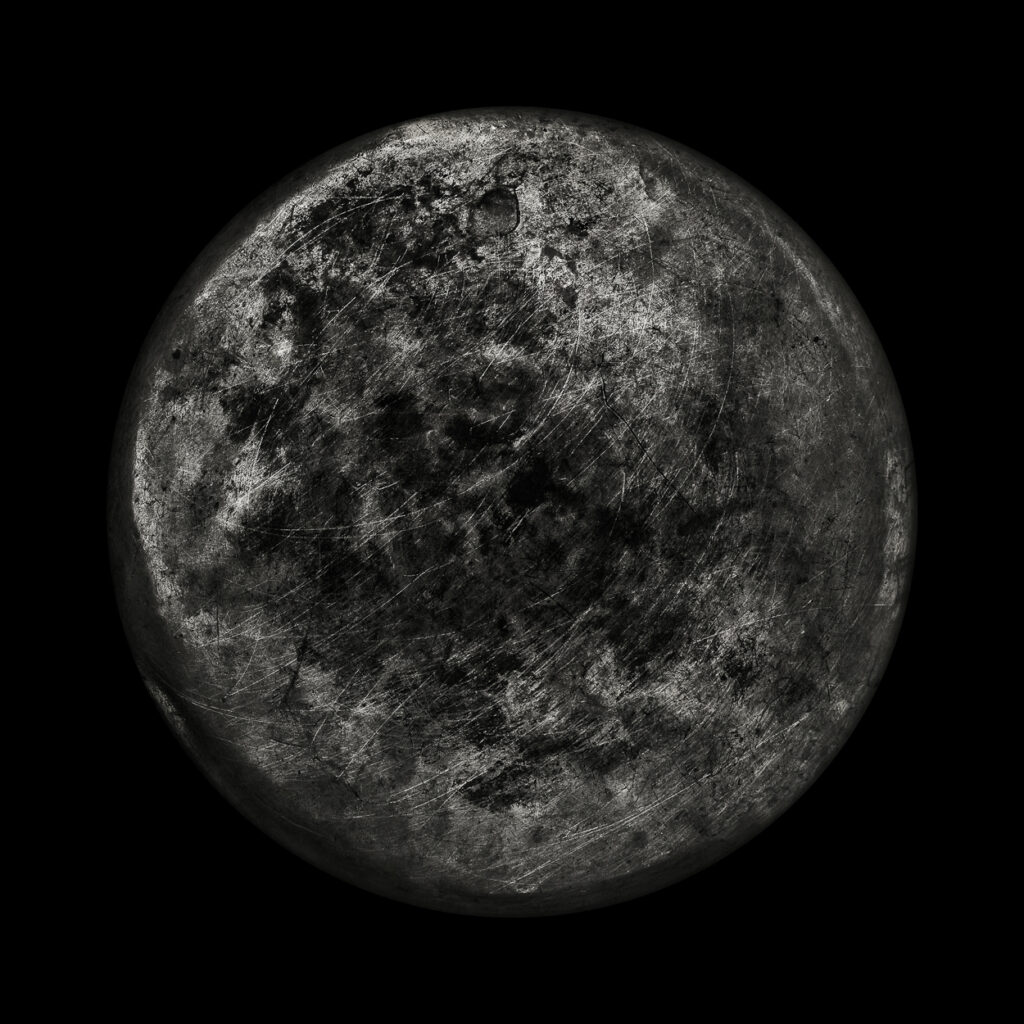
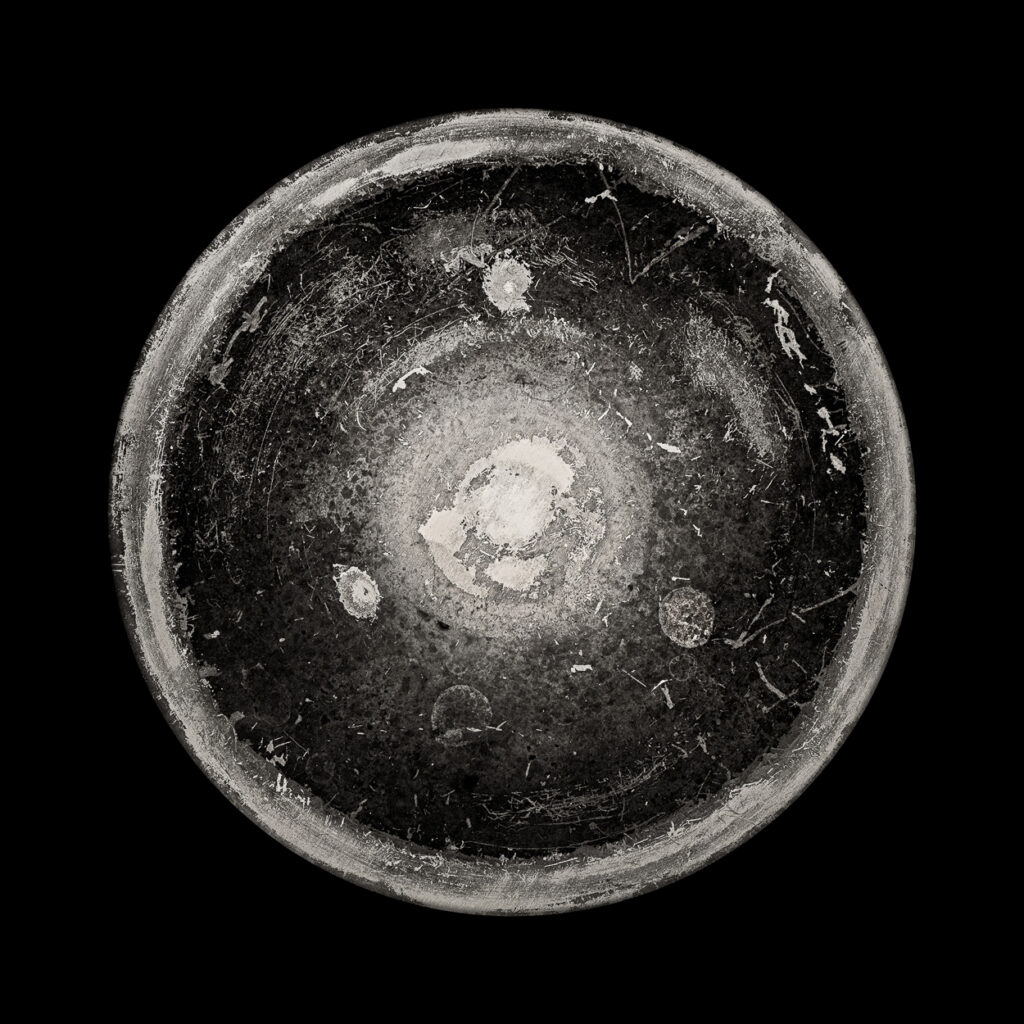
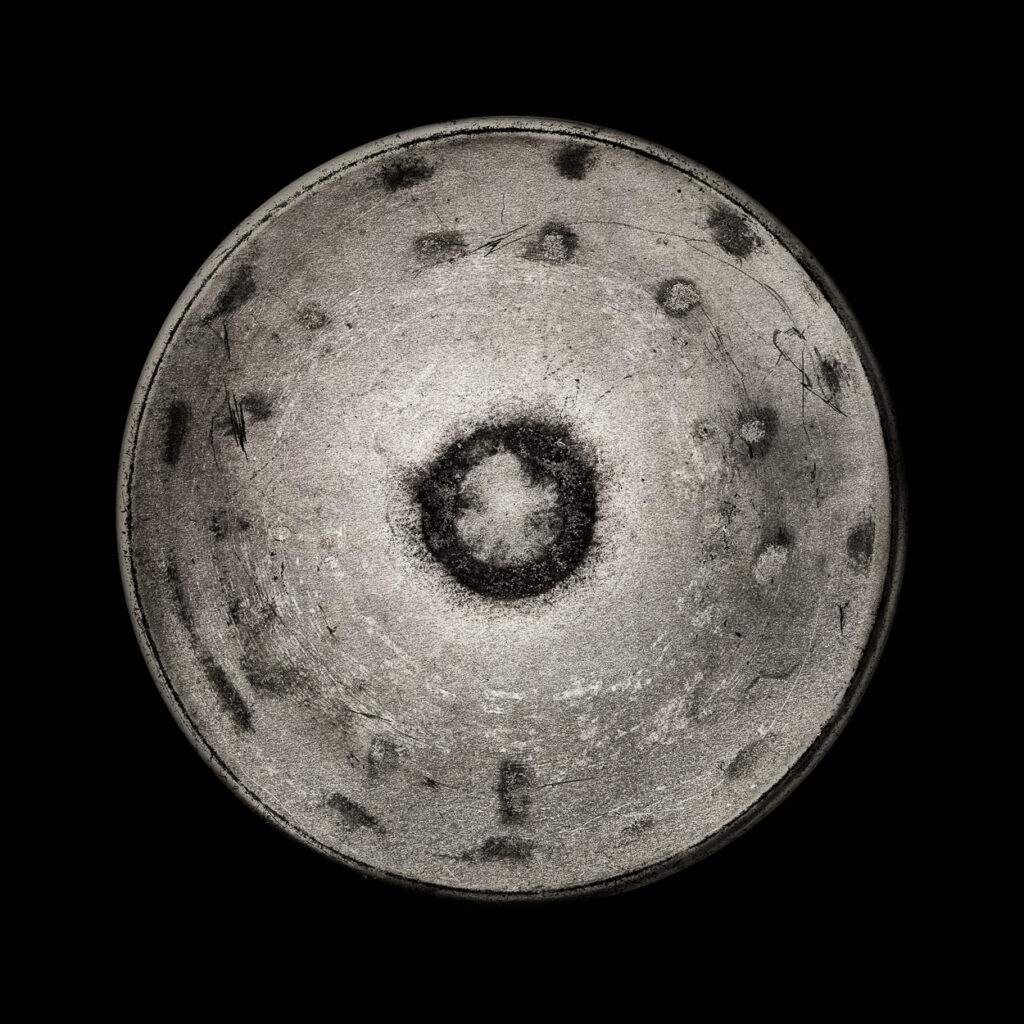
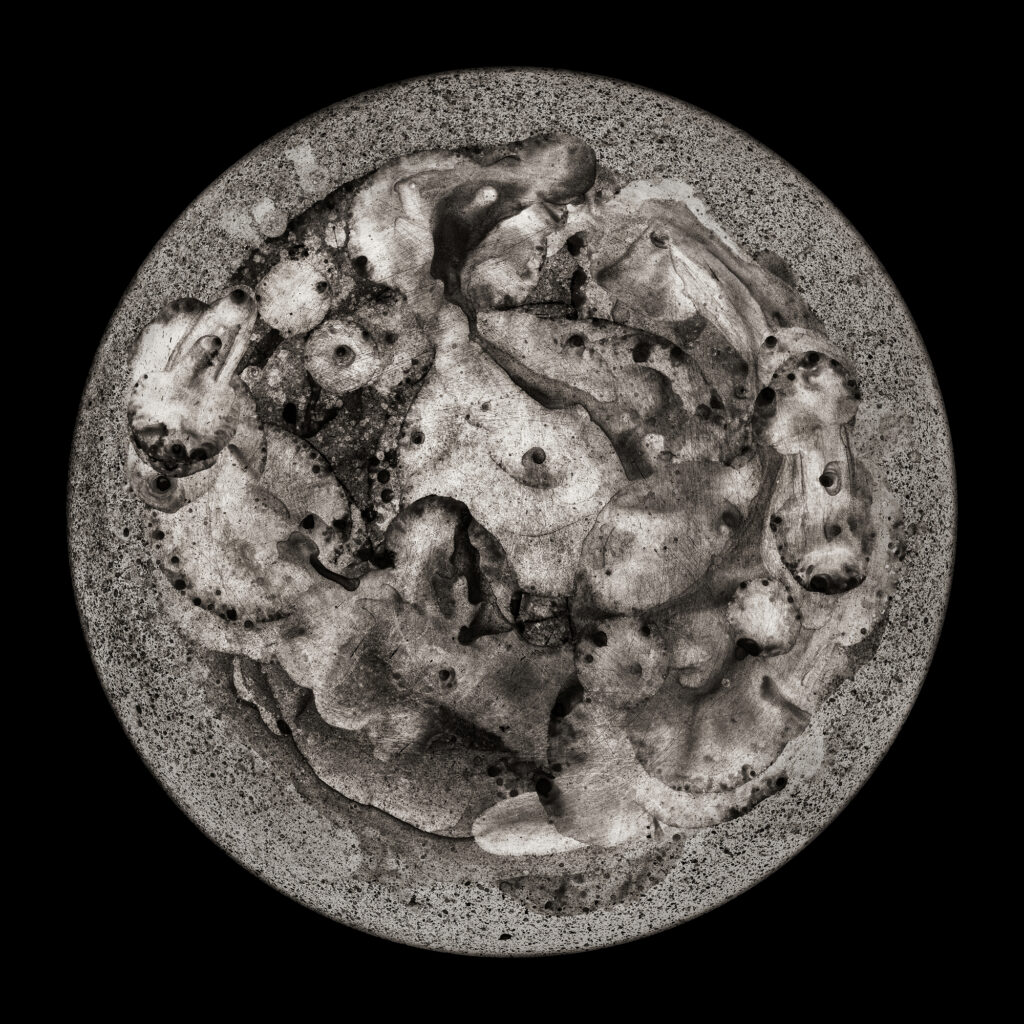
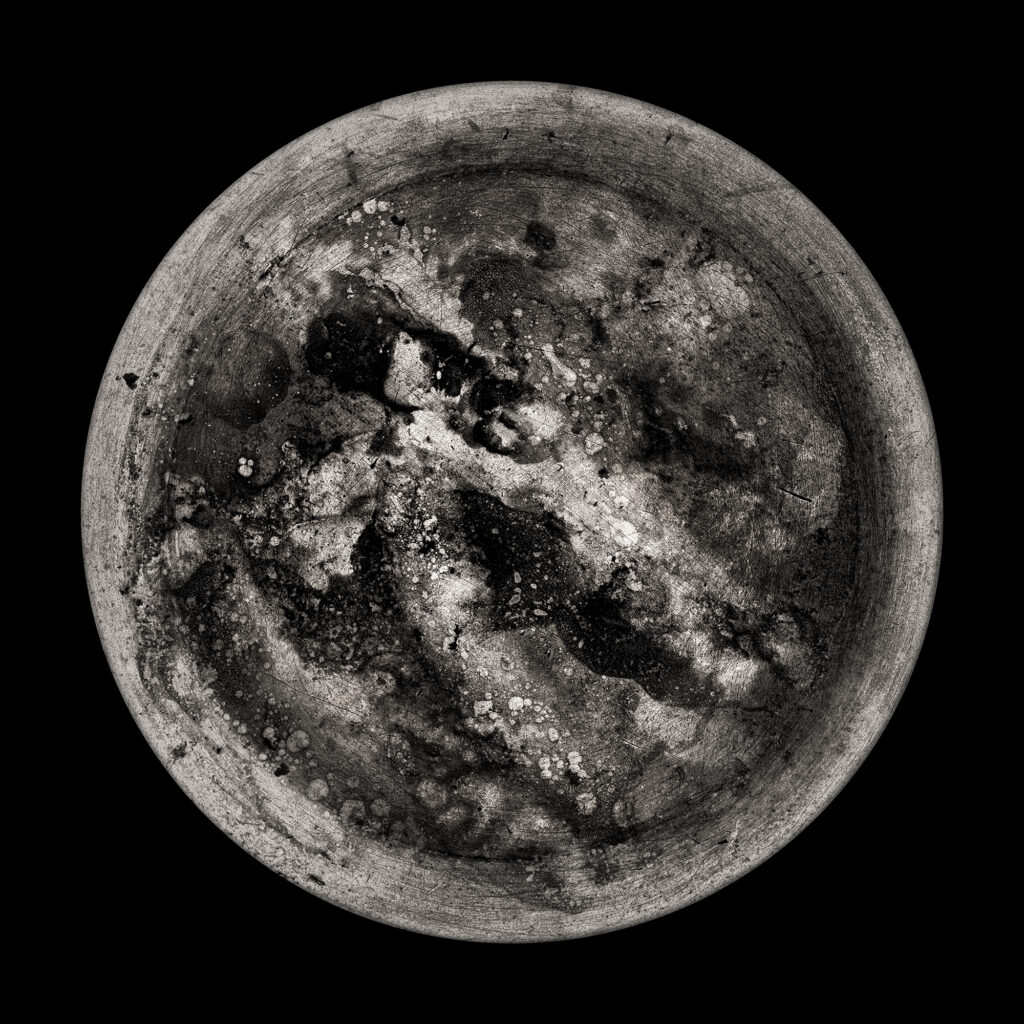
Culinary Astronomy
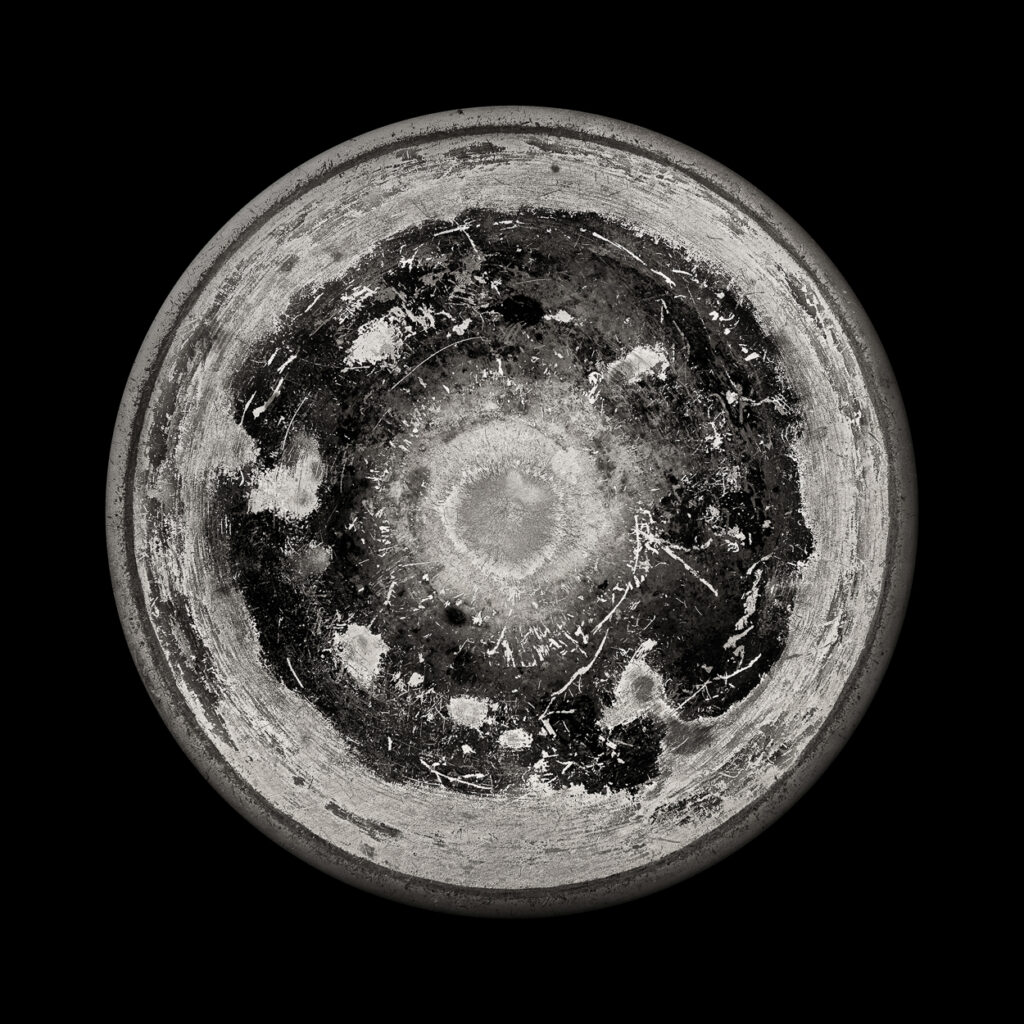
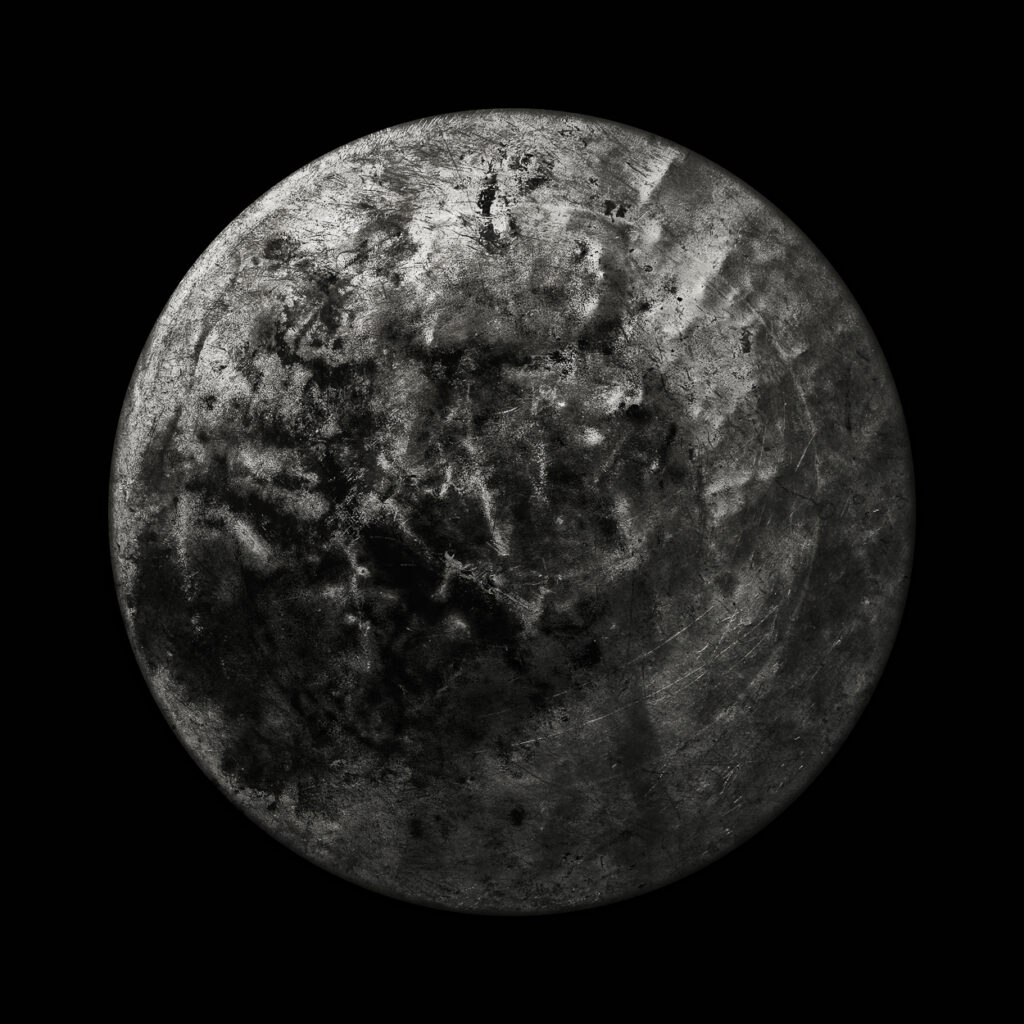
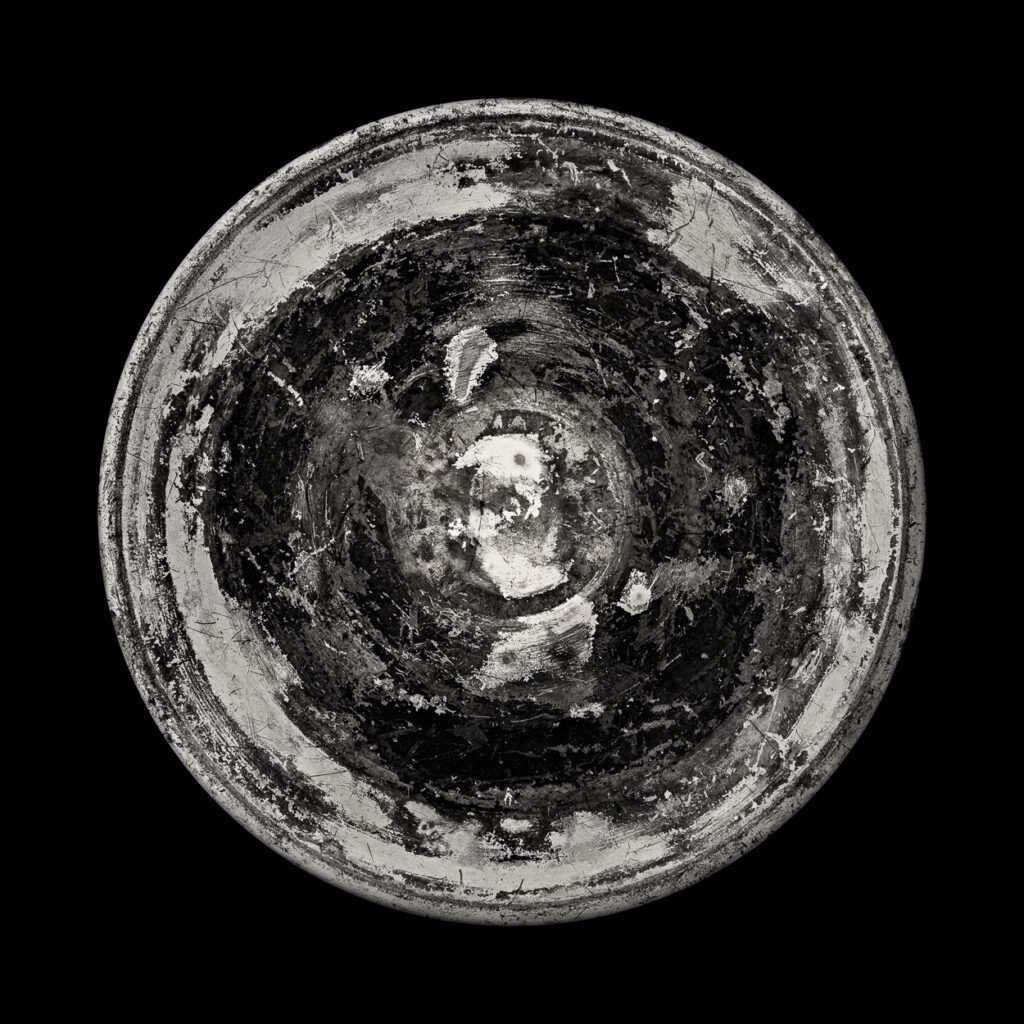
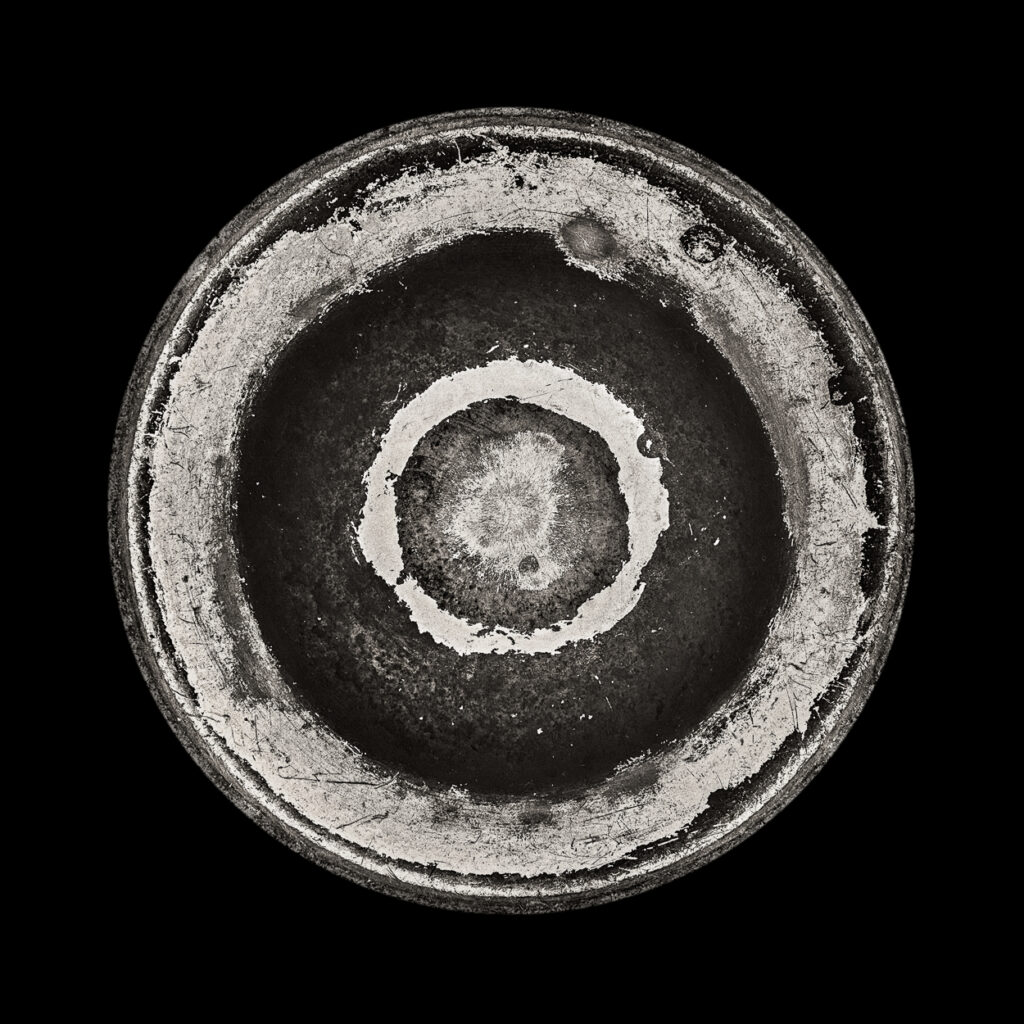
Stains orbit in steel | Daily gestures turn to stars | Home becomes the sky
Culinary Astronomy begins with the marks accumulated on household objects and appliances through years of repeated use. Stains, scratches, residues and worn surfaces register gestures, habits and patterns of contact that belong to a particular domestic world.
Photographed at close range and removed from their functional context, these traces shift between the microscopic and the astronomical. Familiar surfaces become planetary fields, constellations and unexplored territories. The series approaches the home as a material archive in which everyday routines leave physical evidence, transforming anonymous objects into intimate maps of presence and time.